























128,000 Sign Petition for Country Icon to Replace Bad Bunny at Super Bowl LX

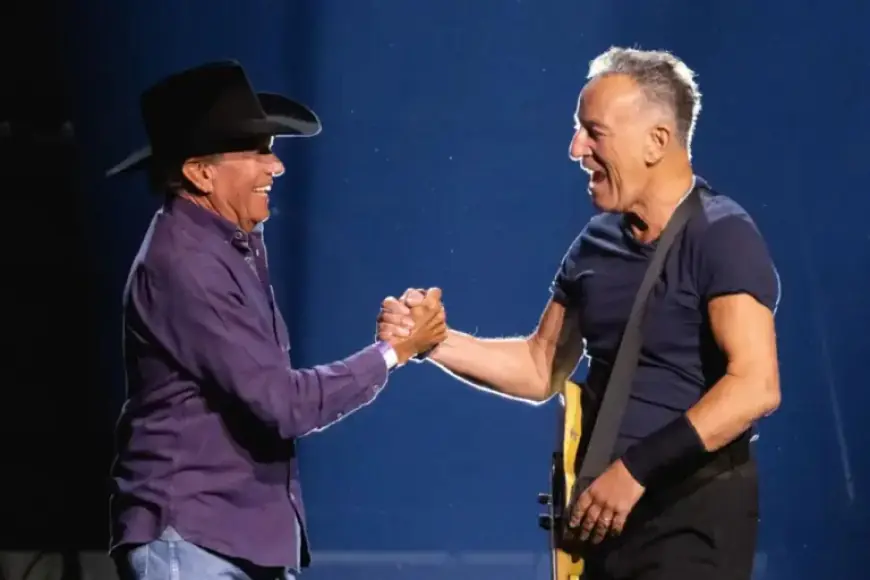
A recent petition on Change.org has surged in popularity, with over 126,000 signatures advocating for country music icon George Strait to replace Bad Bunny at Super Bowl LX. This movement highlights a preference for traditional American music over contemporary pop acts in high-profile events.
Petition Details
The petition calls for George Strait, often referred to as the “King of Country,” to headline the Super Bowl halftime show. The initiative stems from a desire to honor America’s rich musical heritage during one of the most viewed performances globally.
Reasons Behind the Petition
- The petition argues that the Super Bowl should celebrate traditional American music.
- It highlights George Strait’s impressive career, marked by over 60 No. 1 hits.
- Supporters believe Strait’s performance would unite audiences and maintain the family-friendly essence of the event.
Controversy Surrounding Bad Bunny
While the petition reflects a segment of public opinion, organizers contend that Bad Bunny’s style does not align with the expected family values of the Super Bowl. They assert that his performances do not embody the traditional American culture that many fans cherish.
George Strait’s Legacy
George Strait has maintained a significant presence in the music industry for over 40 years. His songs appeal across generations, making him a fitting candidate to represent American music. The petition emphasizes his significance in honoring the cultural roots of the country.
Looking Ahead to Super Bowl LX
Despite the petition’s momentum, Bad Bunny remains set to perform this Sunday. His role as a headliner reflects the evolving landscape of music at major sporting events, which increasingly feature diverse and modern artists.
For those seeking an alternative to the halftime show, Turning Point USA will present Kid Rock, who has been known for his controversial themes, adding another layer to the weekend’s entertainment options.
As the debate continues, the conversation around musical choices at the Super Bowl illustrates a broader dialogue about cultural representation and the direction of American music.