
























EU Receives Key Message as European Producers Count Costs

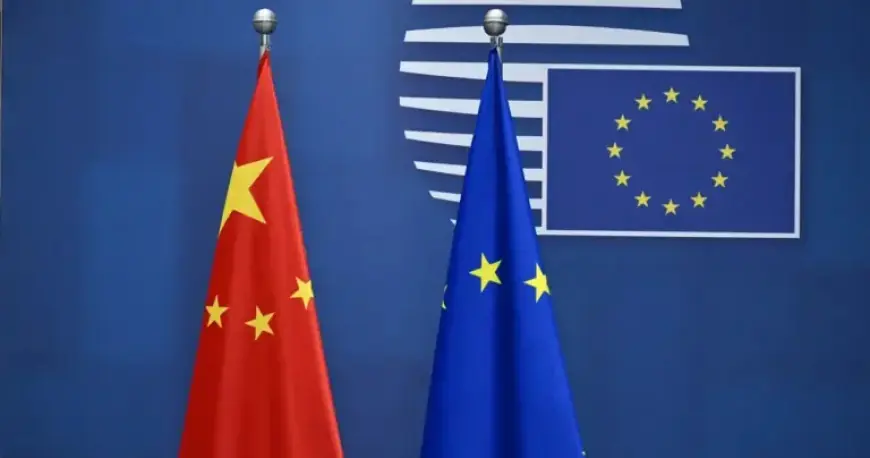
The trade relationship between the European Union (EU) and China is entering a tense phase, primarily focused on the dairy industry. This sector is vital for EU exports and is now impacted by the recent developments in tariff proposals from China.
EU Receives Key Message as European Producers Count Costs
The European Commission announced on February 3 that it received final calculations from the Chinese Ministry of Commerce (MOFCOM) regarding proposed anti-subsidy tariffs on dairy products imported from the EU. The deadline for implementing these tariffs is February 21. A decision from China is expected soon, coinciding with the Chinese New Year, which begins on February 17.
Reduction in Tariff Proposals
China has significantly reduced the proposed tariffs on EU dairy products, now ranging from 7.4% to 11.7%. This is a substantial decrease from the temporary rates of 21.9% to 42.7% announced in December. Experts indicate that while the latest tariffs are lower, they will still impact the margins of exporters and the competitiveness of European products in the Chinese market.
- Final tariff rates for dairy: 7.4% to 11.7%
- Previous temporary tariffs: 21.9% to 42.7%
However, these reduced tariffs apply only to select dairy items. Other products, such as certain cheeses and milk powders, may still face higher tariffs, leaving some segments of the export market under pressure.
Potential Trade Tensions
The decrease in tariff rates could ease some trade tensions. Nevertheless, even these lower rates represent significant costs for companies that previously enjoyed unfettered access to the Chinese market. Analysts caution that the implications of these tariffs could lead to higher prices for Chinese consumers or compel exporters to seek alternative markets.
Retaliation Against EU Electric Vehicle Tariffs
Industry experts suggest that China’s actions could be interpreted as retaliation against EU tariffs on Chinese electric vehicles. The European Commission has criticized these proposed measures, stating they are based on dubious allegations and insufficient evidence.
Producers in the EU are now faced with the dual challenge of developing strategies to counteract these tariffs while remaining hopeful for progress in diplomatic negotiations. The Commission is closely reviewing China’s position and preparing comments to share with Chinese authorities.
Market Response and Future Scenario
Market analysts emphasize that even with reduced tariff rates, EU dairy products could struggle in the Chinese market. This could lead to shifts in export structure, notably affecting the cheese and milk powder segments.
The dairy industry remains on high alert, monitoring developments from Beijing and preparing strategies to minimize the negative impacts of any imposed tariffs.