























Milan Cortina Italy Opens With a Downhill Shock as Franjo von Allmen Grabs the First Gold of the 2026 Winter Olympics

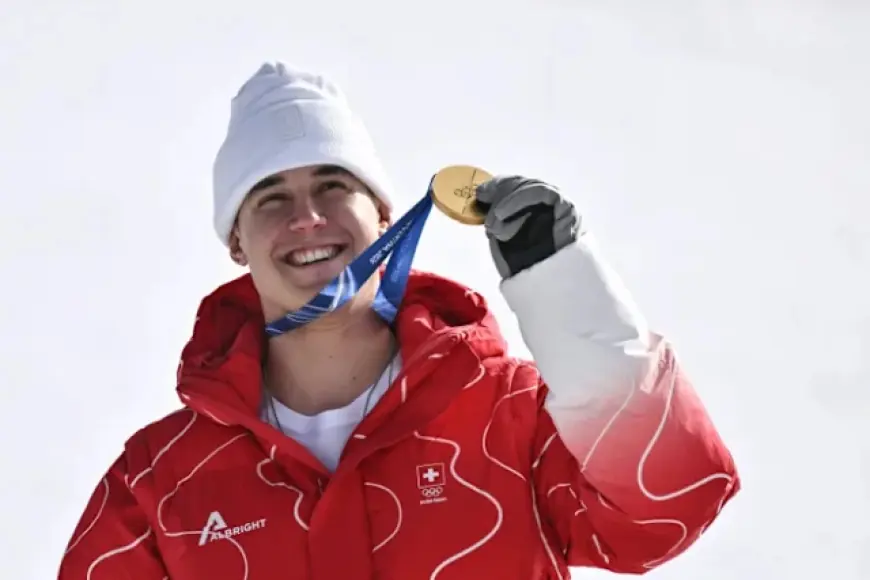
Milan Cortina 2026 delivered its first signature moment Saturday, February 7, 2026, when Switzerland’s Franjo von Allmen won the men’s alpine downhill to claim the first gold medal of the Games. Racing on the Stelvio course in Bormio, Italy, von Allmen set the early benchmark for a Winter Olympics that is spread across multiple regions and built around the host nation’s promise of spectacle, speed, and Italian mountain drama.
The result also landed as an upset within a powerhouse team: von Allmen beat Swiss teammate and heavy favorite Marco Odermatt, while Italy immediately put its host stamp on the podium with Giovanni Franzoni taking silver and Dominik Paris taking bronze.
Olympics Today: What Happened in the Men’s Downhill
Downhill is often called the blue-riband event of alpine skiing for a reason: it is pure risk management at extreme speed, with medals decided by tiny margins and one mistake ending everything. Von Allmen’s run was clean, aggressive, and controlled on a track famous for punishing hesitation. The race set the tone for the Games’ first weekend by combining a marquee discipline, a dramatic course, and a podium that instantly elevated both the Swiss program and the Italian host narrative.
The headline is simple: Switzerland has the first gold. The sub-headline is sharper: the new name on the top step came from inside Switzerland’s own locker room, not from the established pecking order.
Who Is Franjo von Allmen and Why This Win Matters
Von Allmen is 24 and built for the speed disciplines, the kind of skier who thrives when the course demands commitment rather than finesse. Winning Olympic downhill on the first try does two things at once. It puts him into the sport’s most exclusive club overnight, and it changes how rivals approach every remaining men’s speed event: they now have to plan for more than one Swiss threat.
This matters in a Winter Olympics because alpine medals are not just trophies, they are momentum engines. A country that starts fast can ride confidence into later events, while athletes in other sports feel the lift of early success.
Milan Olympics, Cortina, and the Geography Behind the Headline
Milan Cortina Italy is not a single-venue Games. It is a networked Olympics, with events staged across distinct clusters that stretch from the urban arenas around Milan to the mountain venues associated with Cortina and the broader Alpine region. That structure is part of the story: it spreads tourism and investment, but it also increases logistical complexity for teams, media, and fans.
Early medals in alpine skiing are especially valuable under this model because they deliver a crisp narrative that cuts through the sprawl. One course, one race, one podium, immediate clarity.
Behind the Headline: Incentives, Stakeholders, and Pressure Points
Context: Host nations want early medals because they stabilize the mood. Italy landing two medals on day one, even without gold, is the kind of start that feeds crowds, primes prime-time coverage, and raises the perceived success of the Games before the heaviest schedules arrive.
Incentives:
-
Switzerland’s incentive is to turn a first-gold moment into a broader speed sweep. That means protecting athletes from overconfidence and managing equipment and risk across multiple events.
-
Italy’s incentive is to convert the opening podium into sustained belief. A host bump is real, but it can morph into pressure if expectations spike too fast.
-
Favorites like Odermatt face a different incentive: limit the damage. An early fourth place does not end a campaign, but it can force more aggressive decision-making later, which is dangerous in speed events.
Stakeholders:
Athletes are only one layer. Coaches and equipment teams will be under immediate scrutiny, because downhill outcomes often hinge on preparation details that casual viewers never see. Organizers also have reputational exposure: early competition days shape global confidence in venues, safety protocols, and event flow.
What We Still Don’t Know
Even with the first gold awarded, key unknowns remain that will define the next several days:
-
Whether weather and course setups stay consistent enough to reward repeat excellence rather than one-off conditions
-
How Italy balances crowd energy with athlete pressure in subsequent headline events
-
Whether Switzerland’s internal hierarchy shifts, changing selection and strategy for later speed races
-
How the travel demands of a multi-cluster Olympics affect recovery and performance as schedules tighten
Second-Order Effects: Why One Downhill Result Ripples Across the Games
A surprise first gold can change everything from media narratives to team psychology. For Switzerland, it broadens the medal expectation from one star to a deeper bench, which can attract more tactical attention from rivals. For Italy, two medals immediately frame the host story as competitive, not ceremonial. That can influence ticket demand, audience engagement, and even how other Italian athletes experience pressure when they arrive at their own venues.
There is also a subtle competitive ripple: when an upset happens early, other athletes in other sports often feel that “anything can happen” energy. That can produce more aggressive tactics, which creates both breakout stories and costly mistakes.
What Happens Next: Realistic Scenarios and Triggers
-
Switzerland doubles down in speed events
Trigger: strong training runs and stable equipment performance
Outcome: multiple Swiss podium bids become the baseline expectation -
Italy chases a home gold quickly
Trigger: a favorite reaches a final with clear form and crowd momentum
Outcome: the host narrative shifts from “early medals” to “host dominance” -
Favorites respond with controlled aggression
Trigger: a top contender rebounds without overreaching
Outcome: the Games settle into a more predictable rhythm after an opening shock -
Conditions reshape the competitive order
Trigger: weather shifts or course adjustments change the risk-reward balance
Outcome: new contenders emerge and the medal table becomes more volatile
Milan Cortina 2026 began with the kind of statement only downhill can deliver: a new Olympic champion, a favorite beaten within his own team, and a host nation on the podium twice before most fans finished their morning coffee in Eastern Time. The next days will reveal whether von Allmen’s win was a single flash of brilliance or the first chapter of a broader Swiss takeover of the speed events.