










2026 Winter Olympics Opening Ceremony: Milano Cortina Starts in Italy, With Mariah Carey and Andrea Bocelli Headlining a Split-City Spectacle

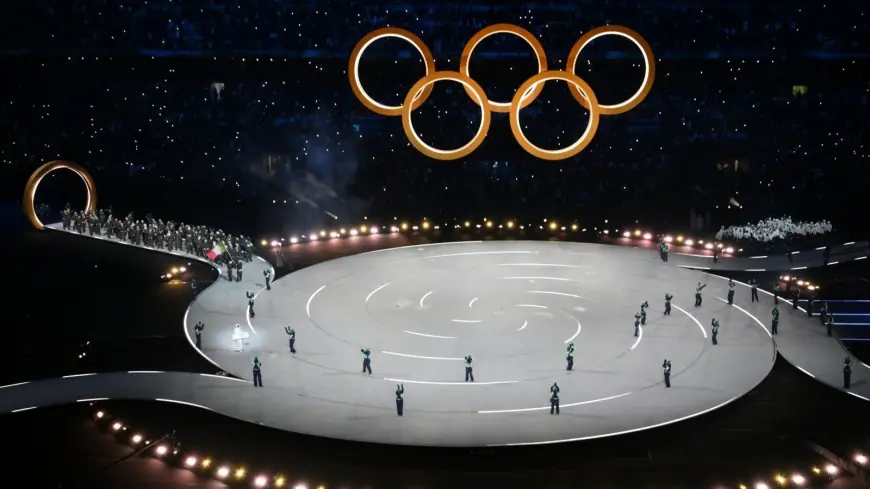
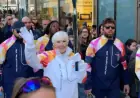
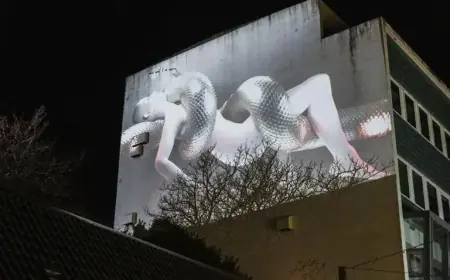
The 2026 Winter Olympics are officially underway in Italy, and Milano Cortina opened the Games with a ceremony built around a clear idea: these Olympics are not centered in one place, and the show shouldn’t be either. The Opening Ceremony took place Friday, February 6, 2026, at San Siro in Milan, with a second, simultaneous flame moment staged in Cortina d’Ampezzo. Italian President Sergio Mattarella declared the Games open as the night leaned heavily into “harmony” messaging, pairing pop spectacle with classical prestige.
For viewers in the United States, the live Opening Ceremony began around 2:00 p.m. ET, with a prime-time presentation later that night. Some program guides listed slightly different start times depending on whether the listing included a pre-show block, but the in-stadium ceremony window aligned with the mid-afternoon ET start.
When do the 2026 Winter Olympics start and end
Milano Cortina 2026 runs from Friday, February 6 through Sunday, February 22, 2026. Some competition began earlier, on Wednesday, February 4, which is why you may have already seen “schedule and results” pages populating before the cauldron was lit.
These Games feature 116 medal events across eight sports and 16 disciplines, with about 2,871 athletes representing 92 national teams. The United States roster totals 232 athletes.
Opening Ceremony highlights: Mariah Carey, Bocelli, and two cauldrons
The ceremony’s entertainment lineup blended global pop with Italian cultural branding. Mariah Carey performed, including an Italian-language segment that quickly became one of the night’s most discussed moments. Andrea Bocelli also performed, reinforcing the organizers’ goal of presenting Italy as both contemporary and classically iconic.
The closing image of the ceremony was structural as well as symbolic: multiple cauldron moments, including one lit in Milan and another lit in Cortina. The message was unmistakable: these are “two-center” Games, and the flame is meant to belong to both city and mountains.
Is Mariah Carey Italian or part Italian
No. Mariah Carey is American. Her background is widely described as Irish on her mother’s side and African-American and Afro-Venezuelan on her father’s side. The Italian connection here is artistic, not ancestry: she performed in Italian as part of the ceremony’s Italy-forward theme.
Winter Olympics schedule: what to know without memorizing a thousand sessions
If you’re searching “Winter Olympics schedule and results,” the most important adjustment is mental, not logistical: these Games are dispersed across northern Italy, so event times and broadcast windows can feel more scattered than a single-host-city Olympics.
A practical way to follow Milano Cortina 2026:
-
Track by sport first, not by venue
-
Prioritize medal sessions, since prelims can overlap heavily
-
Expect morning-to-afternoon ET live windows to be dense because of the time difference
-
Use nightly ET replay blocks for curated storylines and ceremonies
Where to watch the Winter Olympics and what channel the Olympics are on
In the United States, Winter Olympics coverage is carried by the national rights-holder across broadcast television, cable channels, and its streaming service. The simplest viewing options are:
-
Over-the-air broadcast coverage through your local channel feed
-
Cable or satellite coverage through the rights-holder’s affiliated sports channels
-
Streaming through the rights-holder’s official streaming app and authenticated TV streaming options
If you want the cleanest “no surprises” setup, test your access before a marquee event: open the streaming app, confirm the live feed loads, and verify your login works ahead of time. Live sports is where last-minute authentication issues tend to show up.
Behind the headline: why these Olympics are also a format experiment
Milano Cortina is a stress test for a modern Olympics blueprint: spread the Games across existing venues and multiple regions to reduce new construction, distribute tourism gains, and lower the political backlash that can come with building mega-projects. The Opening Ceremony’s split-cauldron concept wasn’t just pageantry. It was branding for the hosting model.
The incentives are aligned but not identical:
-
Organizers want proof that a multi-cluster Olympics still feels unified
-
Broadcasters want predictable daily appointment windows in ET
-
Local stakeholders want the economic benefits without permanent “white elephant” facilities
-
Athletes want smoother logistics and fewer disruptive travel demands mid-Games
Second-order effects to watch: if this approach works smoothly, future hosts will cite Milano Cortina as evidence that the Games can be staged with less construction and more regional sharing. If it gets messy, critics will point to fragmentation, transport strain, and viewer confusion as the cost of dispersion.
What we still don’t know, even after the flame is lit
A few unresolved factors will shape how the next two weeks feel:
-
Weather volatility in the alpine clusters and how often it forces schedule reshuffles
-
Whether viewers embrace the “distributed Games” concept or find it harder to follow
-
Whether streaming becomes the default for casual fans as overlaps increase
-
How smoothly transportation and venue operations hold up once the medal schedule intensifies
What happens next: realistic scenarios with clear triggers
-
Streaming becomes the primary viewing habit if overlaps make single-channel viewing feel incomplete.
-
Schedule changes become a daily storyline if wind and snow repeatedly disrupt key alpine events.
-
The two-cauldron identity lands as a success if the Games keep delivering iconic, location-specific moments without logistical hiccups.
-
Viewer frustration grows if top medal events stack into the same ET windows, pushing more people into highlights.
-
A steady “daily rhythm” emerges by mid-week as fans lock into a handful of sports and follow them session-by-session.
If you tell me which sports you care about most, I can translate the schedule into a simple ET watch list for the next three days, focused on medal events and the most watchable live windows.