

























AI Advancements Likely End Nvidia GeForce RTX 5080 Super’s Future

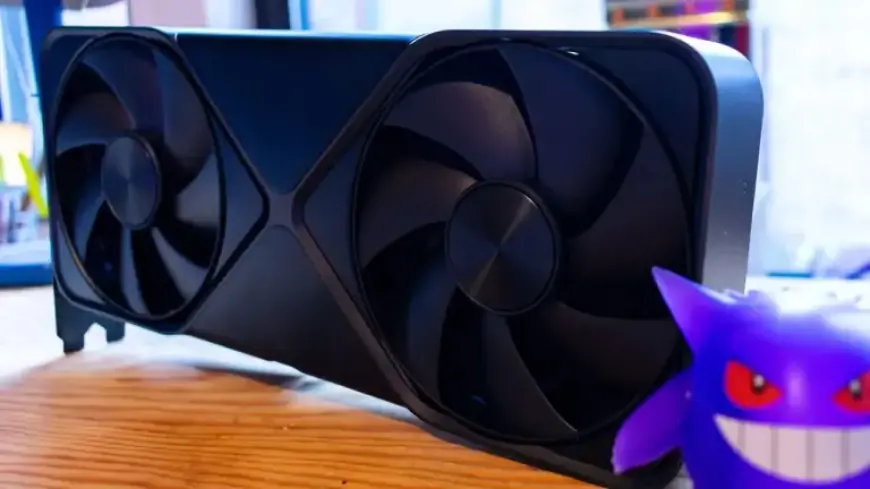
Nvidia’s recent shifts in GPU production have raised questions about the future of the GeForce RTX 5080 Super. The company has made headlines for its record-breaking success in the AI hardware sector. This success has led to adjustments in Nvidia’s focus and production strategy, particularly concerning its Blackwell series of graphics cards.
Decline of the RTX 5080 Super
Launched more than a year ago, the Blackwell series began with the RTX 5090. The anticipated mid-generation refresh, the RTX 5080 Super, is unlikely to materialize. Reports from The Information and hardware expert @kopite7kimi indicate that Nvidia is scaling back production of its 50-series cards.
Impact of AI Demand
The rise of AI has created unprecedented demand for computer hardware. As a result, Nvidia has shifted its focus toward enterprise solutions, impacting its consumer graphics card lineup. The company has reported a staggering $4.24 trillion valuation, underscoring its position as the most valuable firm globally.
- AI’s influence on Nvidia’s production strategy
- Reports of cancelled mid-generation refreshes
- Hardware production scaled back for 50-series cards
Nvidia’s Official Statement
Nvidia addressed concerns about the GeForce RTX lineup, stating, “Demand for GeForce RTX GPUs is strong, and memory supply is constrained.” The company is actively collaborating with suppliers to enhance memory availability. However, this response leaves the fate of the RTX 5080 Super uncertain.
Market Comparisons: AMD and Nvidia
Nvidia isn’t alone; AMD has also been quiet regarding new consumer graphics cards. Since the launch of the Radeon RX 9060 in August 2025, AMD has not introduced any new models. The pressure from AI demands is affecting both companies.
- AMD’s recent revenue: $16.6 billion from datacenter services
- Gaming revenue reported at $3.9 billion, aided by custom chips
Future Prospects
As both Nvidia and AMD refocus their efforts, users may need to rely on software advancements rather than new hardware. Nvidia has rolled out improvements like DLSS 4.5, enhancing image quality at a performance cost. AMD has introduced FSR Redstone to boost frame generation and ray tracing.
In conclusion, gamers looking for the RTX 5080 Super must be patient as Nvidia navigates the growing demands of AI. The shifts in priorities and production may mean that software innovations will be the focus for the foreseeable future.