























2026 Winter Olympics Opening Ceremony: Start Time in ET, Milano Cortina Schedule Basics, and How to Watch the Games

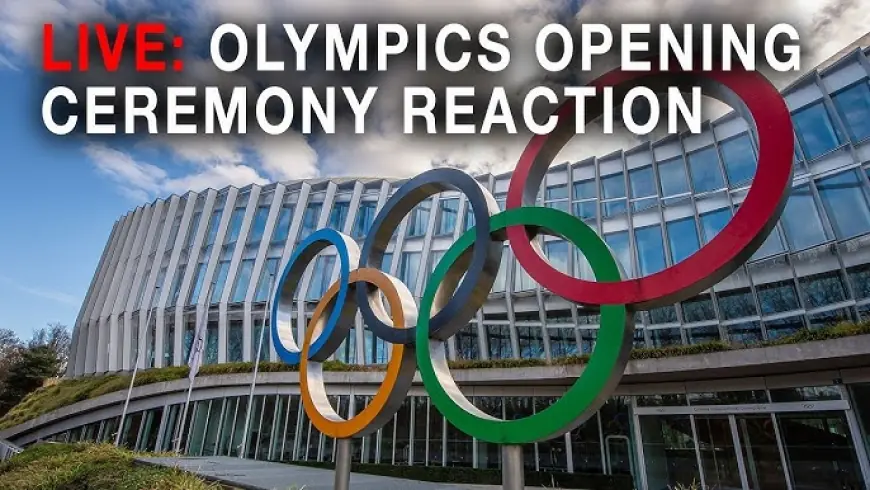
The 2026 Winter Olympics are officially underway in Italy, with Milano Cortina staging an opening ceremony designed to reflect a Games spread across both city and mountains. The headline detail for viewers is simple: the Opening Ceremony takes place Friday, February 6, 2026, starting at 2:00 p.m. ET, with a separate U.S. primetime presentation scheduled for 8:00 p.m. ET.
The Games run from February 6 through February 22, 2026, with events staged across multiple clusters including Milan and Cortina, plus additional alpine venues. That geography is shaping everything from ceremony design to daily TV windows, and it’s why the viewing experience can feel more like a rolling festival than a single-stadium event.
Winter Olympics 2026: where the Games are and why Milano Cortina is different
Milano Cortina is built around distance. Instead of one compact host city, the competition is distributed across northern Italy, with marquee moments happening in Milan while many medal events unfold in mountain venues. Organizers leaned into that reality for Opening Ceremony night, using Milan’s San Siro stadium as the centerpiece while incorporating parallel elements from other host locations.
That isn’t just spectacle. It’s also a message: these Games want to sell Italy’s urban culture and alpine identity as one package, while showing athletes in far-flung venues can still “be there” without constant long-haul transfers.
Olympics Opening Ceremony 2026 time in ET and what viewers can expect
Opening Ceremony date and time in ET:
-
Friday, February 6, 2026
-
2:00 p.m. ET start time
-
Roughly three hours in length
The ceremony includes the traditional Parade of Nations and the lighting of the Olympic flame, with a notable twist: two cauldrons were used, reflecting the split-host concept. Music is a major part of the program as well, and Mariah Carey was among the featured performers, including an Italian-language moment that quickly became a social-media flashpoint.
Winter Olympics schedule: what’s happening first
The Winter Olympics don’t wait for the pageantry to end. Day 1 includes competition and key early sessions across several sports, with early activity in alpine training, curling round robins, figure skating team segments, and women’s hockey preliminary play. In practical terms, that means the “Olympics schedule and results” experience starts immediately, and it will run nearly around the clock once multiple venues hit full rhythm.
Because events are split across locations, daily schedules can look dense and overlapping. The most reliable way to track it is by sport and by session time in ET, then filtering for medal events as the week progresses.
Where to watch the Winter Olympics in the U.S.
In the United States, Winter Olympics coverage is carried by the national rights-holder across broadcast television, cable channels, and its streaming service. For most viewers, the easiest options are:
-
Traditional TV through your local broadcast feed and participating cable channels
-
Live streaming through the rights-holder’s official streaming platform and authenticated TV apps
-
Replays and highlights through the same ecosystem, often organized by sport
Key viewing note: Opening Ceremony coverage is available live at 2:00 p.m. ET, with a separate U.S. primetime presentation at 8:00 p.m. ET. If you care about seeing the cauldron lighting and musical performances in real time, the 2:00 p.m. ET window is the one that matches the in-stadium timing.
How to watch the Olympics outside the U.S.
Internationally, the Winter Olympics are distributed through local media-rights partners by country. The practical move is to check your country’s official Olympic broadcaster listings and confirm whether live streams require login, a TV subscription, or location-based access. Many services restrict live streams outside the country where the rights apply, so travelers often run into sudden blackouts unless they plan ahead.
Behind the headline: why the ceremony and the viewing schedule are a strategic flex
Milano Cortina’s split-venue model is partly about infrastructure and geography, but it’s also about incentives.
-
Organizers want to showcase multiple regions and spread tourism benefits beyond one host city.
-
Broadcasters and streamers want a programming day that can be packaged into distinct “appointment” blocks in ET.
-
Athletes and teams want fewer logistical headaches, especially early in the Games.
-
Sponsors want iconic backdrops and predictable prime viewing windows.
The second-order effect is that these Olympics are quietly testing a new template: can a dispersed Games still feel unified to viewers, and can it reduce the political backlash that comes with building massive new facilities?
What we still don’t know
A few things remain in flux even as competition begins:
-
How often weather and transport will force schedule tweaks in the alpine venues
-
Whether viewers embrace the multi-site ceremony concept or find it fragmented
-
How quickly the public settles into a routine for finding events, replays, and medal moments without missing key storylines
What happens next: realistic scenarios and triggers
-
Viewing habits shift toward streaming-first if overlapping sessions make traditional channel-surfing feel incomplete.
-
Schedule reshuffles become a bigger storyline if mountain conditions force repeated delays or shortened training windows.
-
The “two-host” identity strengthens if signature moments keep landing cleanly across both Milan and the alpine venues.
-
Confusion rises if medal events stack at the same ET hours, pushing casual viewers into highlights rather than live sessions.
-
A stronger daily rhythm emerges by mid-week as fans lock onto a handful of sports and follow them session by session.
If you tell me your country and whether you’re watching by TV or streaming, I can translate the Olympics schedule into a simple daily ET checklist with the best live windows for the sports you care about.