

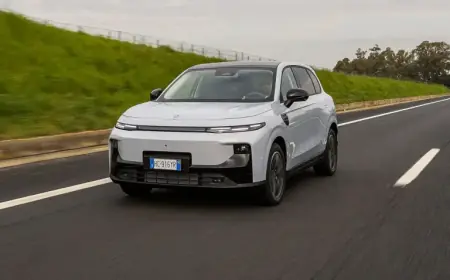























Can China’s Second-Largest Automaker Succeed in America?


China dominates the global automotive market, being the largest car exporter. However, Chinese automakers have faced challenges in entering the U.S. market due to high tariffs and geopolitical tensions. Among these manufacturers, Geely aims to establish a presence in the U.S. by leveraging its Volvo Cars division, which operates an assembly plant in South Carolina.
Geely’s Strategic Move with Volvo
Geely has owned Volvo for over 15 years and is using its South Carolina facility to build vehicles domestically. Currently, this plant produces the Volvo EX90 electric SUV and Polestar 3, with plans to add the Volvo XC60 by the end of this year.
Barriers to Entry: Legislation on Software
A significant hurdle for Geely lies in U.S. regulations. Any Chinese automaker must certify that the software for autonomous driving and connectivity does not originate from “countries of concern,” which includes China. This requirement stems from a Commerce Department rule initiated by the Biden administration and finalized under Trump. The rules aim to mitigate national security risks involving foreign-controlled technologies.
Key Components of the New Rules
- Autonomous Driving Software: Must be verified to ensure it is not developed in China or Russia.
- Data Privacy: Rules are designed to prevent data gathering on U.S. persons by foreign entities.
- Timeline for Compliance: Software rules apply to model years 2027 and later. The hardware regulations take effect for the 2030 models.
Implications for Volvo’s Operations
Volvo’s status as a European carmaker could help it navigate these regulations. The company is reportedly in discussions with the U.S. Commerce Department regarding compliance. A spokesperson emphasized Volvo’s commitment to adhering to government regulations across all markets.
Future Prospects for Geely in America
Despite the challenges, Geely remains well-positioned to expand its footprint in the U.S. However, it must demonstrate that its software is not Chinese-controlled. Each vehicle and software component will need individual approvals, complicating the approval process.
Concerns Over National Security
Avery Ash, CEO of Securing America’s Future Energy, stressed that these rules aim solely at national security, not economic competitiveness. Any updates to previously approved software will also fall under the new restrictions, which could further complicate Geely’s plans.
Conclusion
Geely’s ambitions to succeed in the U.S. market are tempered by tough regulations and national security concerns. As geopolitical dynamics shift, it will be interesting to see how Geely navigates these challenges. The automotive sector will continue to watch closely as Geely works towards establishing its presence in one of the world’s most competitive markets.