























Jim Schwartz steps away from Browns defensive coordinator role ahead of 2026 season

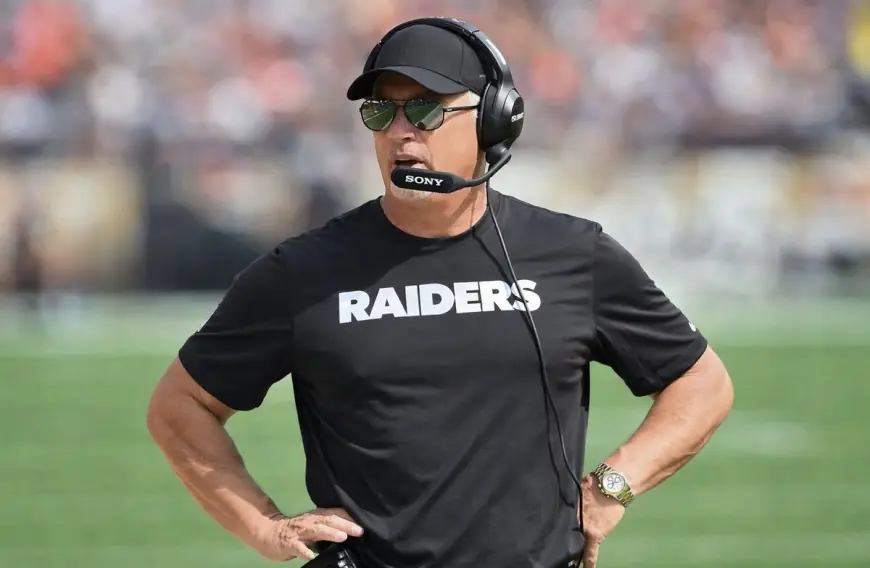
Jim Schwartz will not return as the Cleveland Browns’ defensive coordinator for the 2026 season, ending a three-year run that helped turn the unit into one of the league’s defining defenses. The move lands at the start of a new era in Cleveland after the club hired Todd Monken as head coach, and it immediately reshapes one of the NFL’s most stable identities: a front-led, pressure-heavy defense built to overwhelm quarterbacks.
The decision became public Friday, Feb. 6, 2026, as the Browns continue to assemble Monken’s staff and prepare for offseason roster decisions tied to a defense that has been the team’s calling card.
Why Schwartz is leaving now
Schwartz’s exit follows a coaching-search cycle in which he was viewed as a serious candidate for Cleveland’s head coaching job. When the Browns went in another direction and hired Monken, the relationship moved into uncertain territory—whether Schwartz would stay, whether the role would change, and whether the two sides could align on staff structure.
By Friday, the direction was clear: Schwartz is out, and Cleveland will have a new defensive coordinator for 2026. The departure is notable because it comes at a time when continuity would typically be prized—especially for a team whose recent edge has been built around defensive structure, line play, and matchup-specific pressure.
Contract status and what it means for 2026
One complicating factor is contractual. Schwartz is believed to have time remaining on his Browns deal, which can create limits on immediate movement elsewhere. When a coach is still under contract, joining another team can require permission or a negotiated separation that addresses remaining terms.
Another wrinkle: expectation has grown that Schwartz may sit out the 2026 season, rather than jump directly into another coordinator role. If that happens, it would slow the typical coordinator carousel ripple effect and keep him out of the weekly spotlight—at least temporarily—while leaving open the possibility of a return in 2027 or later.
None of that changes Cleveland’s immediate reality: the team has to fill a high-impact job quickly, with offseason preparation and personnel decisions already underway.
What the Browns defense loses (and what can remain)
Schwartz’s most visible imprint was clarity. Cleveland played with an aggressive, attack-forward mentality that made life difficult for opposing passers, created predictable one-on-ones up front, and allowed the back end to play faster. The unit’s identity didn’t depend on exotic disguise so much as consistent pressure, disciplined gap play, and a clear plan for each opponent.
The good news for the Browns is that the foundation is still in the building: the roster, the terminology, and many of the assistant coaches who handled position rooms. That means continuity is possible even without Schwartz—if the new coordinator is chosen with scheme compatibility in mind.
The risk is subtler: even “same system” defenses can drift if the new play-caller changes pressure timings, coverage leverage rules, or how aggressively the group rotates personnel. Those details are often the difference between a top-five defense and a merely good one.
Who could replace him and how the search may unfold
Cleveland’s options typically fall into three lanes: promote from within, hire an experienced coordinator from outside, or bring in a younger coach with a similar front philosophy and a strong teaching reputation. The timing suggests the Browns will prioritize someone who can keep install clean and avoid forcing players to relearn the language.
What to watch over the next one to two weeks:
-
Internal promotions: whether a current defensive assistant is elevated to keep terminology and weekly rhythms intact
-
Scheme fit: whether the next hire keeps the same front and pressure DNA or shifts toward a different structure
-
Staff continuity: whether key position coaches stay or follow Schwartz elsewhere later
-
Player impact: how stars and veterans respond, especially leaders who drive the unit’s day-to-day standard
The bigger picture for Cleveland’s offseason
Monken’s arrival already signaled change on offense and overall team operation. Schwartz’s departure adds a second major variable at once. It also arrives at a moment when Cleveland must make roster choices that depend heavily on defensive direction—how much to invest in the line, what kinds of linebackers fit, and how the secondary is expected to play behind the rush.
If the Browns choose a coordinator who keeps the defense’s core structure, the transition can be more about play-calling preference than philosophical reinvention. If they go another way, the offseason becomes more complicated, because scheme shifts often demand different body types and different depth priorities.
Either way, Cleveland’s path in 2026 now hinges on a new defensive voice—and on whether a defense that has been a weekly advantage can stay elite through a coaching handoff.
Sources consulted: NFL.com; NBC Sports; Yahoo Sports; ESPN