
























Suicide Bombing Strikes Shiite Mosque in Pakistan’s Capital, Dozens Dead or Wounded

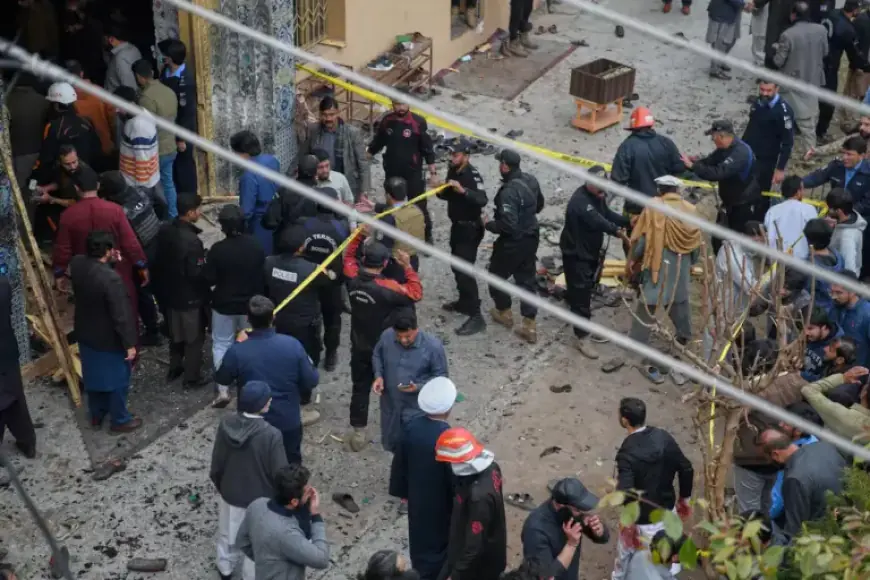
A suicide bombing targeted a Shiite mosque in Islamabad, Pakistan, during Friday prayers, leading to a tragic toll of 31 fatalities and at least 169 injuries. This incident marks a significant uptick in violence within the capital as the government seeks to combat rising militant activity across the nation.
Details of the Attack
The bombing occurred at the Khadija Al-Kubra mosque on the outskirts of Islamabad. Witnesses reported a chaotic scene, with many bodies and injured worshippers inside the mosque. Hussain Shah, who was present during the attack, described hearing a loud explosion followed by chaos as he searched for help amid the screams.
Causalities and Initial Response
- Fatalities: 31
- Injuries: At least 169
- Condition of the injured: Many in critical condition
Emergency responders, including police and local residents, rushed the wounded to nearby hospitals as the Deputy Commissioner of Islamabad, Irfan Memon, updated the casualty numbers soon after the blast.
Suspected Perpetrators
While no group has claimed responsibility yet, suspicions lean towards the Pakistani Taliban or a regional affiliate of the Islamic State. These groups have historically targeted Shiite communities in Pakistan.
The Surge in Militant Activity
Islamabad has been relatively quiet compared to other regions in Pakistan. However, recent months have witnessed an alarming rise in militant violence, primarily attributed to Baloch separatist groups and the Tehrik-e-Taliban Pakistan (TTP).
Pakistan’s Defense Minister, Khawaja Mohammad Asif, shared insights about the bomber’s movements, suggesting they might have crossed from Afghanistan. Afghanistan has denied providing safe haven for these militants, despite Pakistan’s repeated accusations.
International and Domestic Reactions
The attack drew widespread condemnation from various global entities, including the United States and European Union. Statements of support and sympathy also came from foreign embassies in Islamabad.
- President Asif Ali Zardari: Condemned the attack and called for medical aid for the wounded.
- Prime Minister Shehbaz Sharif: Urged accountability for those responsible.
- Interior Minister Mohsin Naqvi: Also condemned the violence.
Community Impact and Future Implications
The bombing raised significant concerns about security measures in the capital. Raja Nasir, a prominent Shiite leader, lamented the failure to protect civilians and called for increased blood donations due to urgent hospital needs.
The recent attack is a stark reminder of the last major incident in Islamabad, which occurred in 2008 at the Marriott Hotel, claiming 63 lives. The persistent violence underscores the challenges faced by Pakistani authorities in maintaining peace.
Looking Ahead
As Pakistan grapples with this tragedy, calls for effective action against militant groups are growing louder. The government is under pressure to enhance security measures to protect its citizens from future attacks.