

























Minute Maid Discontinues Frozen Canned Juices After 80 Years

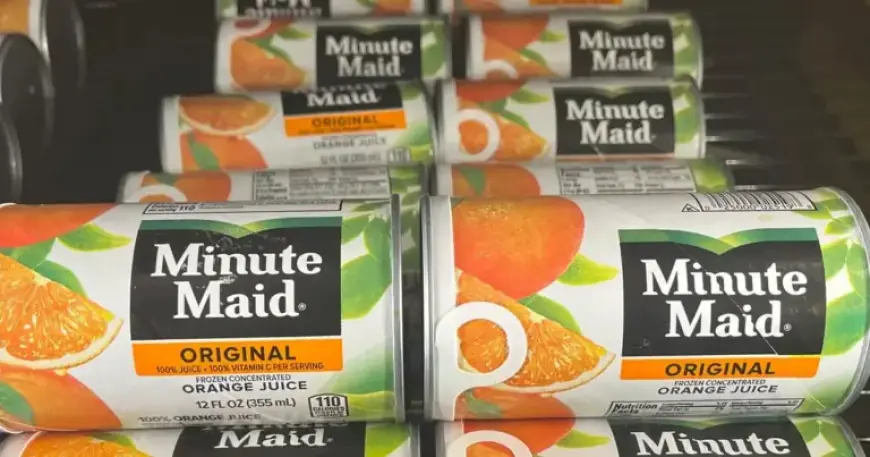
Minute Maid, a brand synonymous with orange juice, has announced it will discontinue its frozen canned juices after 80 years. The decision, made by its parent company Coca-Cola, aims to shift focus towards fresh juice products that align with changing consumer preferences.
History of Minute Maid Frozen Juices
In 1946, the introduction of frozen orange juice by Minute Maid revolutionized breakfast in America. Consumers enjoyed the convenience of reconstituting frozen juice concentrate rather than squeezing fresh fruit. The brand quickly became a household name.
Transitioning the Product Line
Coca-Cola’s statement regarding the discontinuation highlights a trend toward fresh juices, responding to modern customer demands. Frozen juices, including various orange juice flavors and lemonade, will be winding down by April 2024, with availability limited to current inventory.
Market Trends Impacting Sales
- Shifts in consumer preferences toward healthier alternatives like energy drinks and protein smoothies.
- Rising prices of frozen orange juice due to adverse weather conditions in Brazil and Florida.
- Concerns regarding sugar content in juices, leading to a decline in frozen juice popularity.
In December 2023, a 12-ounce can of frozen orange juice averaged $4.82, reflecting a 13% increase year over year. As alternatives gained traction, U.S. sales of frozen beverages dropped nearly 8% over 52 weeks ending January 24, 2024, according to NielsenIQ.
The Future of Minute Maid
Despite the decline of frozen juices, Minute Maid is adapting to market changes. In 2020, the launch of Zero Sugar versions of its fresh juices illustrated a commitment to consumer health. The brand continues to innovate and maintain a strong focus on fresh products.
As Minute Maid exits the frozen product category, it signals a major shift in the beverage industry, underscoring the importance of understanding consumer needs and preferences.