























Waymo Reveals Philippine Remote Operators Assist U.S. Robotaxis

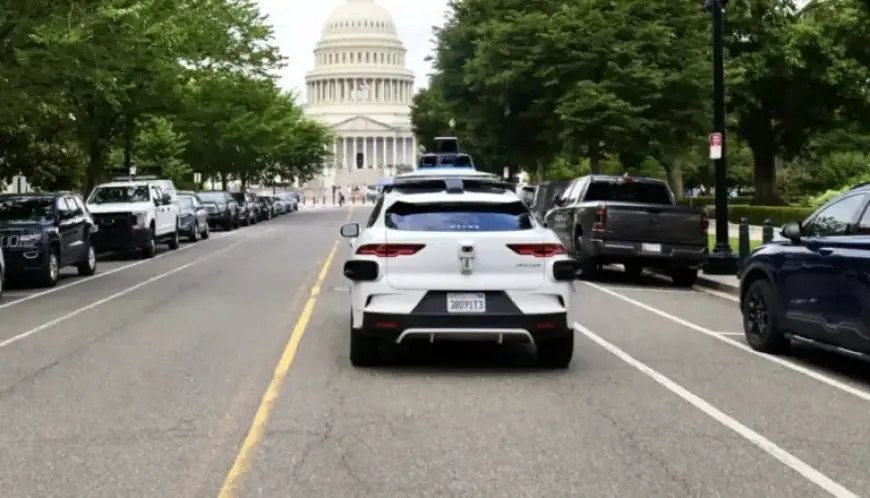
Waymo has revealed that it employs remote operators located in the Philippines to assist its autonomous vehicles. This announcement came from Mauricio Peña, the company’s Chief Safety Officer, during a Senate committee hearing. The operators provide guidance but do not control the vehicles actively. According to Peña, the self-driving cars remain responsible for all driving-related actions at all times.
Concerns Over Remote Operators
Peña faced scrutiny when questioned about the number of foreign operators. His inability to provide specific figures raised eyebrows among lawmakers. When asked about the countries involved, Peña confirmed, “The Philippines.”
- Remote operators assist Waymo vehicles in navigating complex driving situations.
- Operators do not drive the vehicles but provide guidance.
- Concerns were raised about cybersecurity vulnerabilities and outdated information systems.
Legislative Concerns
Senators expressed serious apprehensions regarding safety issues linked to overseas operators influencing American vehicles. Lawmakers highlighted potential cybersecurity threats and questioned whether the operators possessed valid U.S. driver’s licenses. The implications also extend to job displacement, as autonomous vehicles replace traditional taxi and rideshare drivers.
Waymo and Tesla Present Autonomy Safety
The Senate hearing featured executives from both Waymo and Tesla, each defending the safety of their self-driving technologies. Waymo maintains that its systems are inherently safer than human drivers, despite recent incidents.
Tesla’s Standpoint
Tesla’s Vice-President of Vehicle Engineering, Lars Moravy, reinforced the company’s commitment to user safety. He echoed sentiments from CEO Elon Musk, expressing concerns over potential threats to autonomous vehicles. Moravy emphasized the multiple layers of security embedded in Tesla’s systems to prevent external control.
- Tesla began operating robotaxis in Austin, Texas, last June.
- The company is actively expanding its fleet across various states.
Ongoing Regulatory Discussions
Congress is currently reviewing frameworks for uniform federal safety regulations for self-driving cars. The growing prevalence of these vehicles in major U.S. cities necessitates comprehensive legislation.
Notable Incidents Under Investigation
In a recent incident on January 23, a Waymo autonomous vehicle struck a child near a Santa Monica elementary school. The vehicle hit the child during busy school drop-off hours, amid several other children and double-parked cars. The National Highway Traffic Safety Administration (NHTSA) is currently investigating this event.
Waymo defended its performance, claiming that its peer-reviewed model indicates a human driver would likely have caused a more severe incident. Their analysis suggests that a fully attentive human driver could have impacted the pedestrian at approximately 14 mph.
Conclusion
As automated technologies evolve, whether through remote assistance or autonomous driving, the conversation about safety, employment, and regulation continues to grow. With incidents under scrutiny, both Waymo and Tesla face mounting pressure to demonstrate the reliability and safety of their systems.