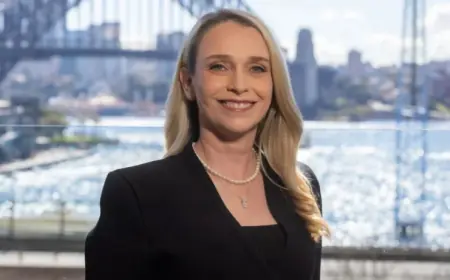

























RBA Governor Avoids Blaming Albanese Government Amid Inflation Debate

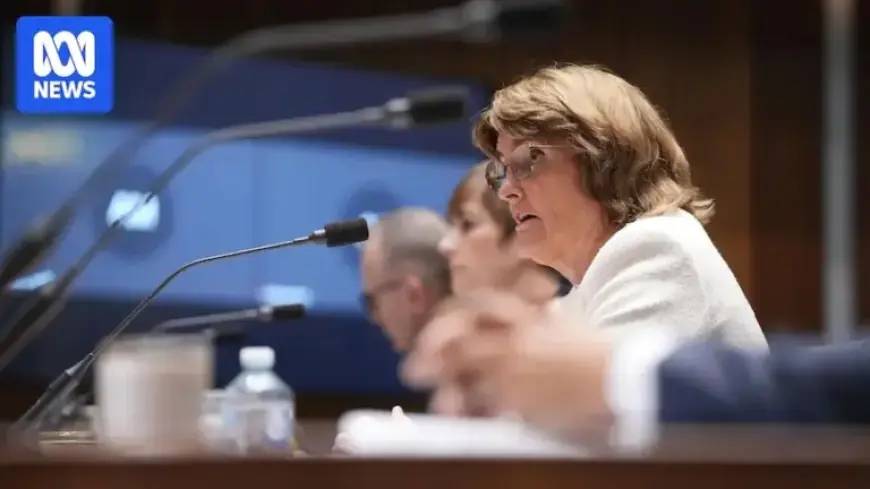
The Reserve Bank of Australia’s (RBA) Governor, Michele Bullock, addressed a parliamentary committee regarding inflation and its ties to government spending. Despite ongoing debates, she refrained from directly attributing the recent rise in inflation to the Albanese government’s fiscal policies. Bullock noted that multiple factors are responsible for the inflationary pressures seen in Australia.
Factors Contributing to Rising Inflation
During her testimony in Canberra, Bullock outlined several key contributors to the increased inflation rates observed in the latter half of 2025. These included:
- Low unemployment rates
- Rising real incomes
- Falling interest rates
- Tax cuts
- Government spending
Initially, inflation stood at 2.1% annually in June 2025 after a rate cut by the RBA. However, by December, inflation surged to 3.8%. As a result, the RBA raised interest rates by 0.25% to curb this increase.
Monetary Policy Decisions
The RBA’s decision to raise interest rates from 3.6% to 3.85% reflects its intent to manage inflation. This move has drawn criticism, especially since the last rate cut occurred only six months prior. Economists argue this rapid shift in monetary policy is unusual.
Opposition lawmakers have seized upon these developments, linking the interest rate hike to what they describe as ineffective economic management by the Albanese government.
Governor Bullock’s Stance
Responding to inquiries from Liberal MPs, Bullock emphasized that while government spending contributes to “aggregate demand,” it is not the sole factor influencing inflation. She noted that the overall demand is currently outpacing supply.
Economic Outlook and Challenges
Despite the inflation concerns, Bullock maintained that the Australian economy is in a relatively good position. Economic growth is starting to rise, transitioning from government-supported initiatives, alongside a strong labor market.
However, she urged the need for productivity improvements, highlighting the role of businesses in optimizing labor and capital to enhance efficiency.
Concerns Over Government Spending
Liberal MP Simon Kennedy raised alarms about the levels of federal spending, projecting that it could hit 26.9% of gross domestic product (GDP) in 2025-26, a record high for the modern era. He pointed out the implications of such spending amidst rising inflation rates.
Sarah Hunter, Assistant Governor of the RBA, reminded the committee that the federal government is not the only spending entity as state and local governments also contribute to overall demand.
Political Pressure on the RBA
Kennedy questioned whether the RBA felt any political pressure regarding its fiscal oversight, especially with government spending at a historical peak. Bullock categorically stated there was no pressure affecting their decisions. The RBA’s primary focus remains on stabilizing inflation while maintaining robust employment levels.
In closing, Bullock reiterated that the board prioritizes a disciplined approach to monetary policy, intending to recalibrate the balance between demand and supply in the economy, emphasizing their core objective is controlling inflation while fostering a healthy job market.