























Khamenei Signals Weakness, Not Peace, by Calling for Direct Talks

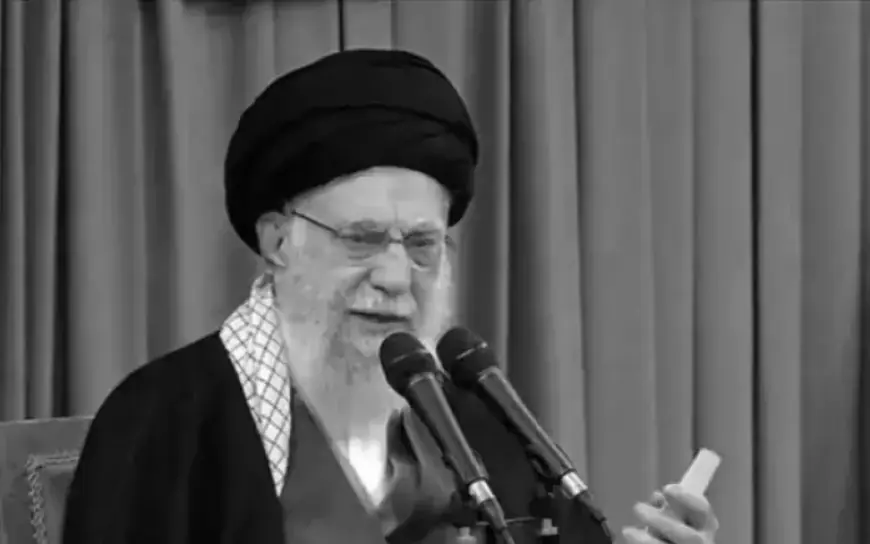
Recent developments in Iran signal a complex reality regarding the regime’s willingness to engage in direct talks. Supreme Leader Ali Khamenei’s call for negotiations shows signs of weakness under mounting internal and external pressures. Instead of presenting an avenue for peace, this strategic shift reflects a desperate attempt by a regime facing profound challenges.
Khamenei’s Change of Approach: A Signal of Weakness
For months, the Iranian regime has confronted significant difficulties, including the European Union designating the Islamic Revolutionary Guard Corps (IRGC) as a terrorist organization. Khamenei’s sudden openness to “direct negotiations” has been interpreted as a retreat rather than a diplomatic breakthrough. Masoud Pezeshkian, the president of Iran, attempted to portray this change as an exercise in pragmatism. However, it appears more as a tactic to mask the regime’s fragility amid the ongoing revolutionary pressures.
Negotiations: A Time-Buying Strategy
The Iranian regime currently faces multiple crises: social unrest, mass protests, and economic collapse. As such, Khamenei’s willingness to negotiate serves three primary purposes:
- Reducing the risk of regional escalation, primarily to protect the IRGC from facing consequences.
- Mitigating international pressure, especially sanctions affecting the regime’s economy.
- Gaining time to wait for favorable political shifts in Western countries.
Countries such as Egypt, Qatar, Saudi Arabia, and the UAE are interested in fostering dialogue. However, the notion of de-escalation with a regime that flourishes on crisis does not eliminate existing threats.
Nuclear Negotiations: Striking Terms
The Iranian regime insists that discussions remain focused solely on its nuclear ambitions, maintaining that its enrichment capabilities are non-negotiable. Senior IRGC officials assert that enriched uranium must remain within Iran, aiming for recognition of their nuclear breakout capacity. The regime is willing to concede minor reductions in enrichment levels while ensuring that their core capabilities remain intact.
Overlooked Threats: Missiles and Proxies
Crucial aspects of the regime’s power, including ballistic missiles and regional proxy forces, are conspicuously absent from negotiations. For Khamenei and the IRGC, these components represent red lines. However, their absence from discussions makes any agreement inherently weak. This attitude reveals more about the regime’s fear of losing control than it does about confidence in its strength.
The Need for Change: Perspectives from the NCRI
The National Council of Resistance of Iran (NCRI) emphasizes that foreign military intervention or appeasement will not resolve Iran’s ongoing crisis. Instead, they advocate for regime change driven by the Iranian populace. Recent calls for change reflect a crucial understanding: any diplomatic negotiations that bypass human rights and the desire for sovereignty only set the stage for future crises.
Conclusion: The Future of Iran
Khamenei’s current approach is not a genuine peace initiative but rather a familiar tactic—an effort to maintain control amidst increasing instability. The regime’s economic downturn, coupled with chronic inflation, has led to intensified social unrest. The likelihood of achieving a comprehensive and lasting agreement remains incredibly low due to these systemic contradictions. Ultimately, Iran’s fate won’t be determined in external negotiations but through the persistent resilience of its people who demand change.