

























Bank of England Maintains UK Interest Rates at 3.75% in Close Vote

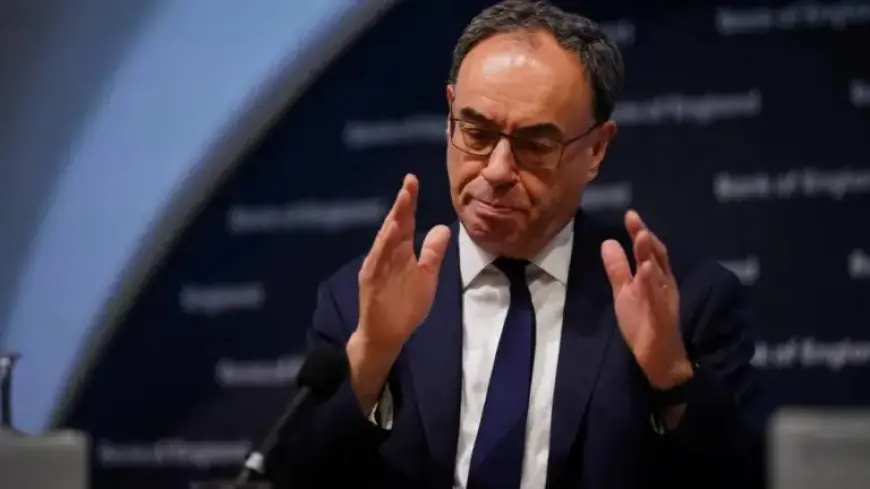
The Bank of England has decided to maintain UK interest rates at 3.75% during a closely contested vote, with a narrow decision of 5 to 4. The Monetary Policy Committee (MPC) expressed concerns about a sluggish economy and increasing unemployment, despite expectations that inflation could approach the target of 2% by April. The current inflation rate stands at 3.4%.
Overview of the Interest Rate Decision
The MPC’s decision reflects ongoing debates within the committee regarding the direction of monetary policy. Governor Andrew Bailey emphasized the importance of stability in inflation rates while hinting at the possibility of rate cuts later this year. Experts anticipate that the first reduction may occur as early as March or April, contingent upon future economic data.
Economic Conditions and Future Expectations
Analysts forecast a decrease in inflation, aided by measures from Chancellor Rachel Reeves’ recent budget, which aims to reduce inflation by approximately 0.5 percentage points. This budget could contribute to a decline in household energy bills and freeze rail fares for the first time in three decades, while delaying petrol tax increases.
- Projected Inflation Rate: Expected to drop to 2.1% in spring.
- Current Unemployment Rate: Projected to rise to 5.3% from 5.1%.
- Growth Forecast for 2026: Downgraded to 0.9% from 1.2%.
Market Reaction
The pound experienced a notable decrease, dropping nearly 1% to $1.35, while UK government bond yields fluctuated amid uncertainty surrounding political leadership. This reaction indicates investor anxiety regarding potential challenges facing Labour leader Sir Keir Starmer, particularly related to his recent appointments.
Monetary Policy Insights
The Bank’s analysis suggests that the risk of persistent inflation is diminishing. However, Bailey has communicated the need for more data to confidently lower rates. His stance reflects a tightening of MPC votes, with each of the last three meetings resulting in a narrow 5-4 decision.
- Governor Bailey’s decisive vote has been crucial for maintaining rates.
- Future rate cuts are anticipated to support the labor market and stimulate growth.
Some MPC members believe that the necessity for more accommodative monetary policy has become increasingly apparent. However, the Bank continues to prioritize data-driven decisions, ensuring that any movements in interest rates are well-supported by economic indicators.
Conclusion
The Bank of England’s current interest rate strategy points toward cautious optimism regarding inflation and economic stability. With ongoing evaluations of economic data, future adjustments to the interest rates may be on the horizon, likely impacting consumer spending and business investment—key factors for recovery in the UK economy.