Kamala Harris Reenters the Political Arena With a Youth-Led “Headquarters” Project as 2026 Midterms Loom

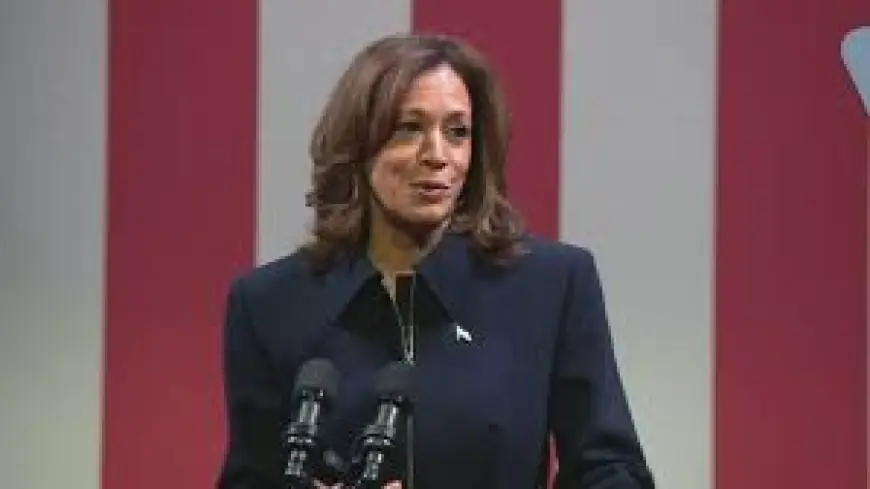
Kamala Harris is stepping back into the national conversation this week with a new youth-focused digital organizing project branded “Headquarters,” a relaunch of her campaign-era online presence that is designed to mobilize younger voters heading into the 2026 midterm cycle. The move comes as Harris remains a major figure inside Democratic politics after leaving office in January 2025, even while she keeps her next electoral step undefined.
What happened with Kamala Harris and “Headquarters”
On Thursday, February 5, 2026, “Headquarters” went live as a Gen Z-led content and organizing hub built on the infrastructure and staff of Harris’s 2024 digital operation. Harris is positioned as an honorary leader rather than the day-to-day editor, allowing the project to operate with a creator-style voice while still benefiting from her brand recognition and fundraising network.
The premise is straightforward: keep a permanent, rapidly responsive digital “war room” alive between election cycles, aimed at civic engagement, pro-democracy messaging, and countering extremist narratives. In practice, it is a bet that the most important political battleground is not just television or rallies, but short, punchy content that shapes what young people talk about and share.
Why this is happening now
Timing is the story. Early 2026 is when parties begin building the scaffolding for the midterms: recruiting candidates, setting messaging priorities, and testing what resonates with younger voters who have become harder to predict and easier to lose.
Harris’s incentives are also clear:
-
Stay relevant without committing to a race
-
Rebuild trust with younger voters after a bruising national cycle
-
Keep a volunteer and donor pipeline warm for the next major contest
-
Maintain influence over party messaging, especially on rights, courts, and democracy themes
This initiative allows Harris to occupy political space while avoiding the constraints of holding office or declaring candidacy.
What’s behind the headline: stakeholders and the real strategic bet
The stakeholders go beyond Harris herself.
Democratic strategists want a reliable way to reach younger voters with a tone that does not feel like traditional politics. Advocacy groups want attention, volunteers, and money directed toward state-level fights that rarely break through nationally. Potential 2028 contenders want to see whether Harris’s brand remains a magnet or becomes a ceiling. And Republicans will treat any revived Harris platform as both a target and a fundraising foil.
The deeper strategic bet is that a “permanent campaign” model can work for a post-vice president: not a formal committee, not a nonprofit lecture circuit, but a digital engine that can turn cultural moments into political participation quickly.
Second-order effects matter here. If “Headquarters” succeeds, it could shift how other prominent politicians operate between elections, building their own always-on media arms. If it fails, it will reinforce the argument that politics cannot easily borrow the language and rhythm of internet culture without losing credibility.
Where her public schedule fits: the book tour and a long runway to 2028
Harris is also on a national 2026 tour tied to her memoir, “107 Days,” which recounts her brief presidential campaign. The tour functions as more than promotion. It is a controlled environment to test message discipline, gauge audience energy, and reintroduce herself outside the daily conflict of Washington.
That matters because talk of 2028 is inevitable, even if Harris does not address it directly. She already removed one obvious next step by declining to pursue the California governorship in 2026, which left her future wide open: build a movement, return to the ballot, or shape the party from outside office.
What we still don’t know
Several missing pieces will determine whether this is a meaningful political development or a short-lived rebrand:
-
How independent the “Headquarters” editorial voice will be in practice
-
Whether the project can grow beyond Harris’s existing supporter base
-
How it will handle misinformation and guardrails without dulling its tone
-
Whether it becomes a midterms machine, a leadership brand, or a bridge to a future candidacy
There is also an open question of durability. Big launches are easy; sustained relevance through the spring and summer news cycles is the real test.
What happens next: realistic scenarios and triggers
-
Rapid growth into a midterms infrastructure
Trigger: consistent viral reach plus measurable volunteer and donation conversions into competitive districts. -
A quieter, steadier organizing lane
Trigger: the project prioritizes training, local elections, and civic participation over constant rapid response. -
Internal party friction
Trigger: other Democratic leaders see “Headquarters” as competing with their own digital operations or shaping narratives they do not control. -
A pivot toward 2028 preparation
Trigger: Harris’s appearances, staffing choices, and fundraising patterns begin to resemble early presidential positioning. -
A fadeout after the launch moment
Trigger: attention spikes briefly, then declines if content loses novelty or if the project cannot show tangible real-world outcomes.
Why it matters
Kamala Harris is not just launching a digital brand. She is testing a modern form of political power: influence without office, organization without a declared campaign, and cultural presence as a lever for turnout. With the 2026 midterms approaching and the 2028 conversation quietly starting, “Headquarters” is a signal that Harris intends to remain a central actor in the next phase of American politics—whether as a candidate, a kingmaker, or the architect of a new kind of always-on campaign.