























NBA deadline economics: tax pressure, draft picks, and cap flexibility drive the sharpest moves more than star power

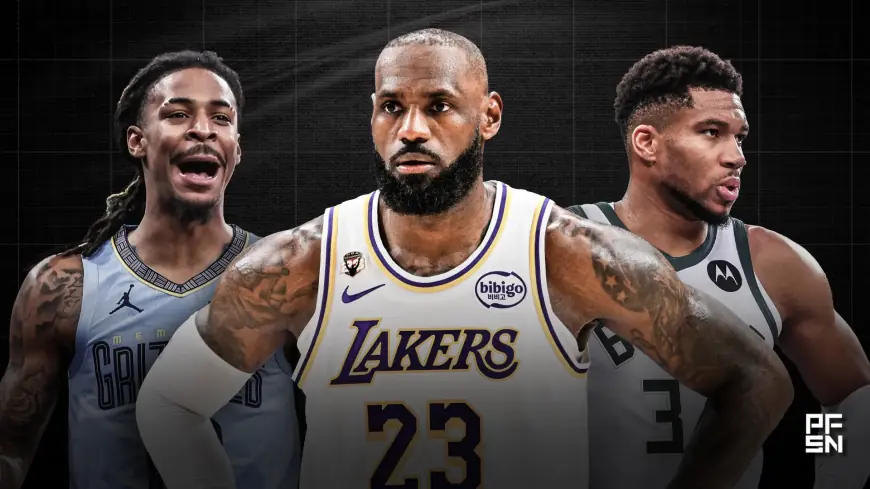
With the NBA’s trade deadline passing at 3:00 p.m. ET on Thursday, Feb. 5, 2026, the most decisive moves across the league weren’t driven by star-chasing as much as by math: luxury-tax pressure, apron restrictions, and the rising value of draft-pick flexibility. In practice, the deadline has become less about “Who can land the biggest name?” and more about “Who can keep operating next summer?”
The new labor rules have sharpened that shift. Crossing certain payroll thresholds doesn’t just cost money; it strips teams of options—how they can trade, how they can sign, and how they can patch holes in-season.
The new “tax” isn’t just a bill
Luxury tax used to be treated like a rich-owner surcharge. Now it’s paired with roster-building handcuffs. Teams flirting with the tax line or the aprons are reacting earlier and more aggressively because the penalty isn’t only the final invoice; it’s the loss of tools that make midseason and offseason roster maintenance possible.
That’s why several deadline deals looked “small” in basketball terms but huge in financial impact: shaving a few million can change a team’s flexibility, avoid hard caps, or keep a pathway open to add players later.
Aprons changed what trades even work
Teams near or above the first and second apron face tighter trade-matching rules and fewer mechanisms to improve. The most important practical shift: once a team is constrained at the top end, the classic “bundle a few mid-sized contracts to get one big contract” path becomes harder or impossible.
That reality pushed many contenders toward one of two approaches:
-
Depth upgrades that fit cleanly inside existing salary structure (one-for-one swaps, minimal incoming salary increases).
-
Cost-shedding swaps that preserve optionality for summer moves and avoid becoming “stuck” at the wrong threshold.
Picks became the cleanest currency
Draft picks—especially seconds—were a primary lubricant at this deadline. They weren’t just sweeteners; they were payments for a team to absorb salary or for a partner to help another team dodge tax consequences.
A clear example of the new market logic: a team trying to get under a line often must pay with picks to convince another team to take money without sending comparable salary back. That turns picks into a kind of cap-management currency: the asset you spend to restore future flexibility.
“Minor” deals showed the real motive
Two deadline-day transactions illustrate how economics drove urgency:
-
Denver moved a young forward to Brooklyn with a second-round pick attached, a move aimed at reducing salary obligations and slipping under the luxury-tax threshold. On court, it’s marginal; on the ledger, it can be the difference between paying tax or not—and between preserving future tools or losing them.
-
Orlando moved a veteran point guard and second-round picks to Charlotte for cash, a structure that effectively paid a partner to take on salary. The basketball return was negligible by design; the priority was to keep the team’s cap sheet cleaner and avoid tax exposure.
These aren’t outliers. They’re the template: teams converting present-day payroll into future maneuverability, often using picks as the bridge.
One table that explains this deadline
| Economic lever | Why teams used it | Typical deadline “tell” |
|---|---|---|
| Luxury-tax line | Avoid a tax bill and preserve flexibility | Cash returns, salary dumps, late small trades |
| First/second apron limits | Keep trade/signing tools available | One-for-one swaps, avoiding added salary |
| Draft picks (especially seconds) | Payment to offload money or buy optionality | Picks attached to salary-moving deals |
| Contract structure | Reduce future risk and keep exits open | Moving non-essential rotation pieces |
| Cap flexibility | Create paths for summer upgrades | Trades that look uneven on talent today |
Why this matters more than star power
Stars still move, but the economic framework increasingly dictates when and how it can happen. A team boxed in by apron rules can’t easily assemble the salary packages required for a true blockbuster—and even if it can, the aftershocks (hard caps, lost exceptions, restricted trade options) can make the “win-now” move self-defeating.
That’s why many contenders treated the deadline like a portfolio rebalance: keep the core, trim inefficiencies, add one playable piece, and preserve the ability to do something bigger later. Meanwhile, teams lower on the standings used their cap room and flexibility as a product—absorbing salary in exchange for picks.
In 2026, the sharpest deadline winners may not be the teams that added the best player. They may be the teams that kept their future pathways intact.
Sources consulted: Reuters, Spotrac, The CBA Guide, CBS Sports