

























Melinda French Gates addresses “Epstein files” scrutiny around Bill Gates

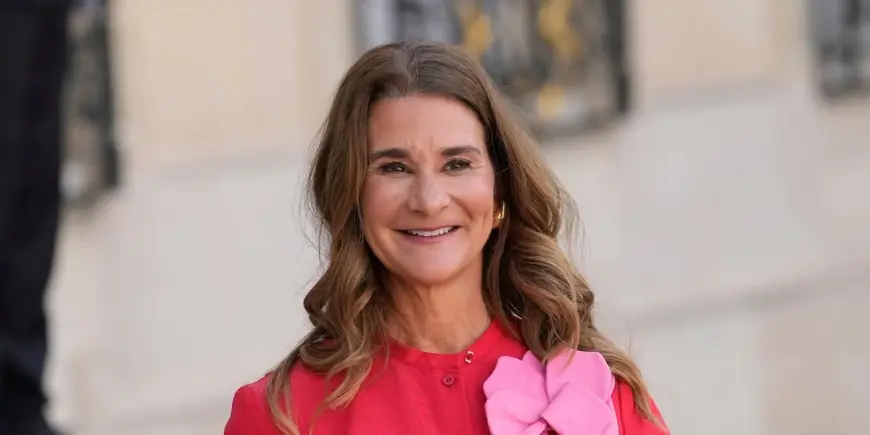
Melinda French Gates is speaking publicly again about the renewed attention around Bill Gates and Jeffrey Epstein after a new batch of “Epstein files” was released by the U.S. Justice Department late last week. The documents have reignited questions about Gates’s past meetings with Epstein and have also revived the personal fallout that shadowed the couple’s final years together.
Bill Gates has responded in recent interviews by saying he regrets spending time with Epstein, calling the association a mistake, and denying any involvement in Epstein’s criminal conduct. A specific allegation circulating online—tied to a draft email attributed to Epstein—has been denied as false by Gates and his representatives.
What the new “Epstein files” release included
The latest disclosure is part of a larger effort to publish investigative materials connected to Epstein, a case that has long drawn public demands for transparency because of Epstein’s access to prominent figures. The newly released material includes communications and investigative references that, in some instances, name well-known people and describe Epstein’s attempts to leverage relationships.
In Gates’s case, the most talked-about detail is a draft email attributed to Epstein that makes salacious claims involving Gates and a sexually transmitted disease. Gates has denied the claims, said the email was not true, and framed it as the kind of taunting or manipulation Epstein was known for.
Key developments driving the headlines
-
A new batch of Justice Department materials became public late last week, quickly pushing “Bill Gates Epstein files” searches higher.
-
A draft email attributed to Epstein that mentions Gates circulated widely; Gates denied its claims as false.
-
Melinda French Gates said the situation brings back painful memories and emphasized that remaining questions are for those involved to answer.
Bill Gates’s response and what he has denied
Gates has described his interactions with Epstein as limited to dinners and discussions, and he has reiterated that he did not take part in Epstein’s trafficking operation. He has also said he never visited Epstein’s private island and did not meet women through Epstein—points he has repeated as the new documents have renewed scrutiny.
His core message has been consistent: he regrets the association, views the meetings as a serious mistake in judgment, and denies the specific behavioral allegations being recirculated in connection with the newly released files.
The gap between “regret” and “accountability” is what keeps this story active. Regret addresses perception and judgment; accountability depends on what the documents show, what is corroborated, and whether any credible allegations rise to a legal threshold. As of this week, Gates has not been accused of a crime in connection with Epstein.
What Melinda French Gates is saying now
Melinda French Gates, in a preview clip from a forthcoming podcast interview published this week, described her reaction to the latest disclosures as one of sadness and relief that she is no longer connected to the situation. She has also indicated that questions about Gates’s relationship with Epstein are not hers to answer.
Her comments have landed in a familiar place: she is not presenting new factual claims about what happened, but she is reinforcing how deeply troubling Epstein’s orbit was to her personally—and how it became part of the “muck,” as she put it, surrounding the last chapter of the marriage.
Her remarks also highlight a broader theme that has persisted since the couple announced their divorce in May 2021: even as their philanthropic work once projected unity and discipline, the separation left unresolved public curiosity about the personal and reputational fractures beneath the surface.
Why Epstein-linked documents keep pulling in famous names
The Epstein case continues to generate waves of attention because Epstein cultivated proximity to wealth and power, and because the documentary trail spans years, jurisdictions, and overlapping investigations. Each new release tends to produce two separate effects at once:
First, it creates legitimate public interest in what institutions knew and how enforcement decisions were made. Second, it becomes a magnet for rumor, exaggeration, and name-driven speculation—especially when documents include incomplete leads, draft messages, or references that are not the same thing as proof of wrongdoing.
That distinction is especially important in stories involving globally known figures. Being named in documents can mean anything from a passing reference to a direct relationship; without context and corroboration, the public often fills in blanks that the documents do not.
What happens next and what to watch
The near-term focus is whether additional materials are released and whether investigators or lawmakers pursue more formal testimony from prominent figures who appear in the documents. Separately, Gates is likely to face continued reputational pressure as long as the Epstein association remains a live topic—and as long as new releases keep surfacing content that can be clipped and shared without context.
For Melinda French Gates, the story appears less about relitigating details and more about boundary-setting: keeping her work and public identity separate from questions she believes belong to others.
Sources consulted: The Guardian; ABC News; People; PBS NewsHour