























Mitch McConnell hospitalized with flu-like symptoms, misses Senate votes

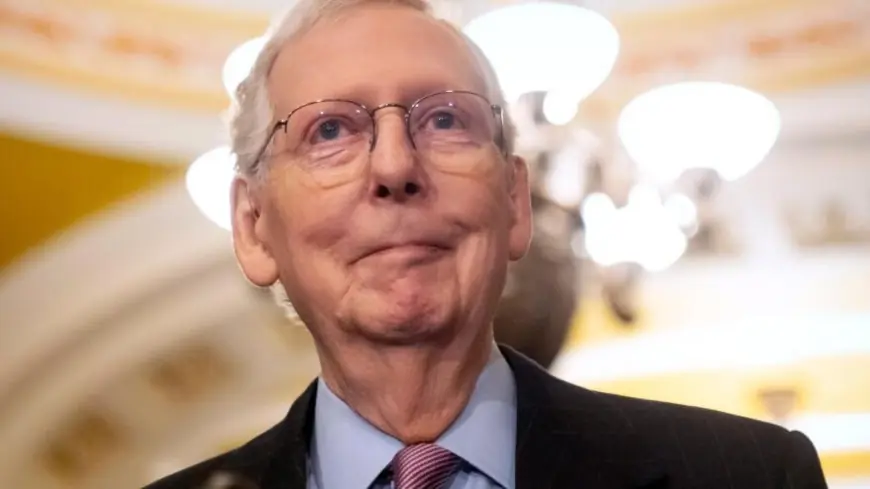
Sen. Mitch McConnell was hospitalized in Washington on Monday night, February 2, 2026, after experiencing flu-like symptoms over the weekend, prompting renewed attention to the 83-year-old lawmaker’s health and his role in a Senate entering a pivotal spring stretch. His office described the step as precautionary and said his prognosis is positive, but he has missed multiple votes as the chamber juggles nominations, funding deadlines, and election-year maneuvering.
What happened and when
McConnell checked himself into a local hospital on Monday evening, February 2, after feeling unwell for several days. A spokesperson said he sought evaluation “out of an abundance of caution” and has remained in regular contact with staff while receiving care.
By Wednesday morning, February 4 (ET), there was no public discharge time announced. McConnell’s absence from votes on Monday and Tuesday quickly became the most concrete impact on Senate operations, even as leaders signaled the chamber could proceed without him on routine items.
Health context and why it matters now
The hospitalization lands after several years in which McConnell’s physical condition has been closely watched. He is a polio survivor and has dealt with mobility limitations for much of his life. In recent sessions, he has also faced a series of falls and other public health moments that have fueled questions about how long he will remain active in day-to-day Senate work.
While flu-like symptoms can be routine, the Senate’s margins and calendar make any extended absence consequential. Votes on nominations and procedural motions can tighten quickly when members are out, and leadership often needs a clearer headcount to schedule higher-stakes floor action.
Where McConnell stands in the Senate in 2026
McConnell no longer holds the top Republican leadership post he occupied for years, but he remains one of the conference’s most influential strategists and a major figure in fundraising and candidate support. He has continued to vote and participate in internal deliberations, even as his public schedule has narrowed.
He is also chair of the Senate Rules Committee in the current Congress, a role that gives him a formal platform on election administration policy and Senate procedure—two areas that frequently surface in high-stakes legislative fights.
Kentucky succession race adds pressure
McConnell has said he will not seek reelection in 2026, turning his Kentucky seat into an open contest. The primary is scheduled for May 19, 2026, with the general election on November 3, 2026.
An open-seat race in Kentucky changes how both parties allocate money and attention, and it elevates the importance of endorsements, timing, and voter turnout mechanics. Even without running, McConnell’s presence still shapes the field: his allies and donor networks remain influential, and his health news can shift the tone of a race that would otherwise be driven by national party dynamics and candidate positioning.
What to watch next: Senate schedule and public updates
Three near-term signals will show whether this becomes a brief interruption or a more serious disruption:
-
Return-to-floor timing: If McConnell resumes voting within days, the episode is likely to be treated as a short-term illness. If the absence stretches, leaders may start adjusting strategy for close procedural votes.
-
Committee activity: Whether McConnell attends Rules Committee business in person, participates remotely, or delays hearings will offer a practical read on his stamina.
-
Public medical detail: His office has kept details limited to “flu-like symptoms.” If more specific information is released, it will likely come in the form of a short physician update or a staff statement, rather than a prolonged public briefing.
For now, the political reality is straightforward: an aging Senate and an election-year calendar leave little slack. Even a temporary hospitalization can ripple into scheduling choices, vote timing, and the behind-the-scenes negotiations that decide what reaches the floor.
Sources consulted: Associated Press, Reuters, Axios, ABC News