

























First Nation Retracts Support for B.C. Energy Export Initiative

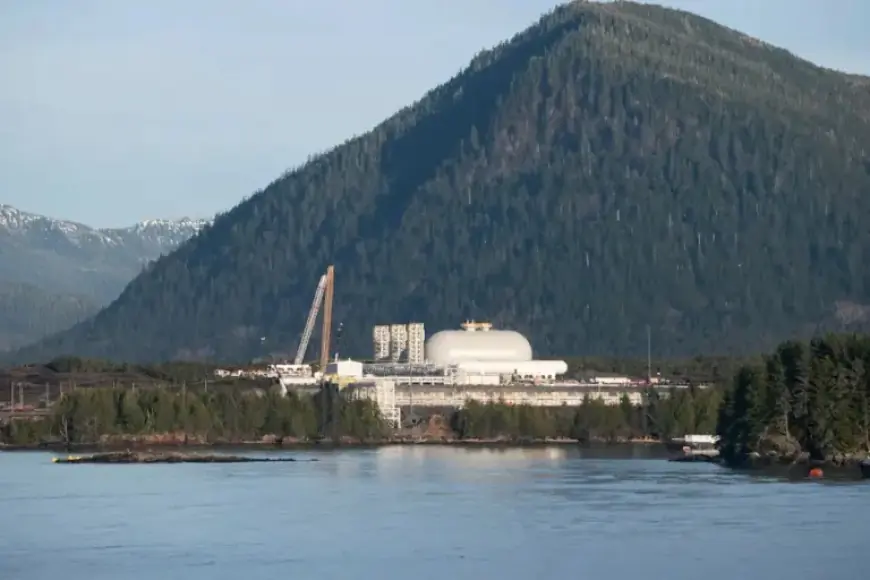
The Metlakatla First Nation has officially retracted its support for the ongoing Ridley Island Energy Export Facility (REEF) project. This announcement comes in the wake of rising tensions following the Prince Rupert Port Authority’s decision to block diversification plans from the Indigenous group and its partners.
Background on the Ridley Island Energy Export Facility
Established by Canadian firm AltaGas Ltd. and Dutch company Royal Vopak NV, REEF is constructed at the Port of Prince Rupert in British Columbia. The project, which launched construction in 2024, has a budget of $1.35 billion and aims to export liquefied petroleum gas, such as propane and butane, to Asian markets by late 2026. REEF is equally co-owned by AltaGas and Vopak, who secured exclusive export rights from the port authority in 2015.
Dispute Over Diversification Plans
The conflict began when the Prince Rupert Port Authority rejected Trigon Pacific Terminals Ltd.’s diversification plans, which included plans to export propane and butane. Metlakatla, a co-owner of Trigon, expressed frustration over being sidelined in these discussions.
- Metlakatla’s Chief Councillor, Robert Nelson, stated that they have notified regulators of their consent withdrawal for REEF.
- Regulators informed include the Impact Assessment Agency of Canada and the B.C. Environmental Assessment Office.
Future Developments and Implications
REEF has plans for further optimization, intending to invest an additional $110 million to expand its export capacity by late 2027. Despite the setbacks, AltaGas reported awarding approximately $350 million in contracts to Indigenous-owned businesses associated with REEF.
Randy Toone, an executive vice-president of AltaGas, emphasized that the relationship with Metlakatla should be portrayed positively. He pointed out that federal approvals for the project remain unchallenged within the required timeframe.
Legal Challenges and Regulatory Actions
In 2024, Metlakatla initiated legal action in British Columbia’s Supreme Court, citing inadequate consultation by the port authority regarding their constitutional rights. The lawsuit argues that the port authority’s actions have essentially created a monopoly for REEF.
- A recent ruling allowed Metlakatla’s lawsuit to proceed.
- Trigon has also filed a lawsuit regarding alleged breaches of a leasing agreement by the port authority.
Conclusion
The ongoing challenges at Ridley Island reflect broader issues surrounding Indigenous rights and energy exports in Canada. While negotiations evolve, Metlakatla’s withdrawal of support for the REEF project underscores the complexities of balancing resource development with the rights of Indigenous communities. As the landscape of energy exports continues to shift, stakeholders remain vigilant about navigating these disputes.