

























Global Recall Issued for Infant Nutrition Products Over Bacillus Cereus Toxin

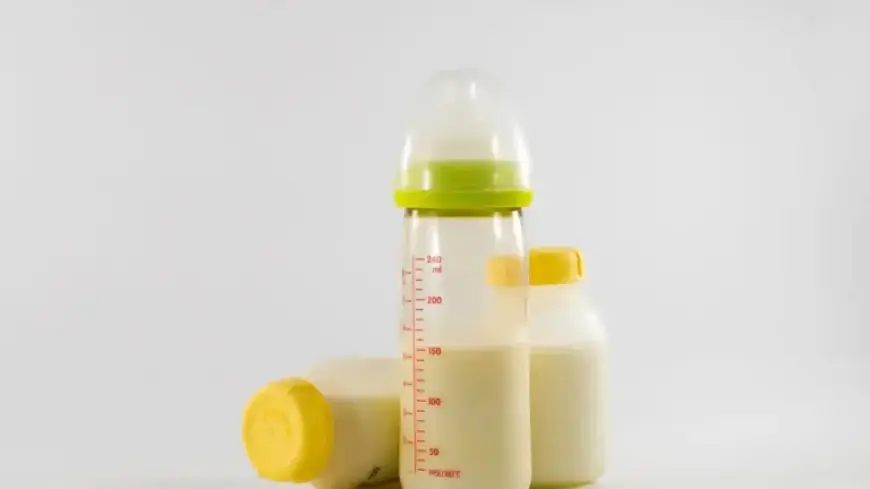
A global recall of infant nutrition products has been initiated due to the presence of cereulide, a toxin linked to the bacterium Bacillus cereus. This precautionary measure began in December 2025 and is ongoing as of January 2026. The recalled items have been distributed widely in Europe and other regions.
Health Risks Associated with Bacillus Cereus Toxin
Cereulide can lead to a range of gastrointestinal symptoms, including nausea, vomiting, and diarrhea. Symptoms can manifest from 30 minutes to six hours post-ingestion. Babies under six months are particularly vulnerable, experiencing potential complications like dehydration due to the toxin’s effects on the body’s salt balance.
Current Situation and Health Recommendations
As the recall progresses in various countries, the risk of further exposure is diminishing. The European Centre for Disease Prevention and Control (ECDC) has been informed about incidences of diarrhea in infants after consuming affected products. Nevertheless, no severe cases have been reported thus far.
- Infants who ingested the affected formula exhibit common symptoms like vomiting and diarrhea, which can be caused by various factors such as viral infections.
- For infants showing these symptoms, the ECDC advises consulting a healthcare professional, especially if symptoms are severe, such as persistent vomiting or signs of dehydration.
Health officials emphasize that recalled products must not be given to infants or young children. Consumers should adhere to guidelines provided by national food safety authorities.
Coordinated Public Health Response
The ECDC is actively monitoring the situation and coordinating with national investigations. The European Food Safety Authority (EFSA) and the European Commission are engaged in a collaborative response to address this multi-country recall effectively.
Risk Management and Future Guidance
In light of the contamination, the European Commission has solicited EFSA’s scientific expertise regarding pesticide thresholds in food. Questions posed include determining a safe acute reference dose for cereulide in infants and outlining consumption levels for infant formula.
Findings from EFSA will be disclosed on their website in early February 2026. Consumers can access updated information regarding food safety actions via the Rapid Alert System for Food and Feed (RASFF) platform, designed to communicate risks associated with food products.