Epstein Files Update: New DOJ Release Sparks Redaction Crisis, Fresh Political Pressure, and a New Wave of High-Profile Fallout

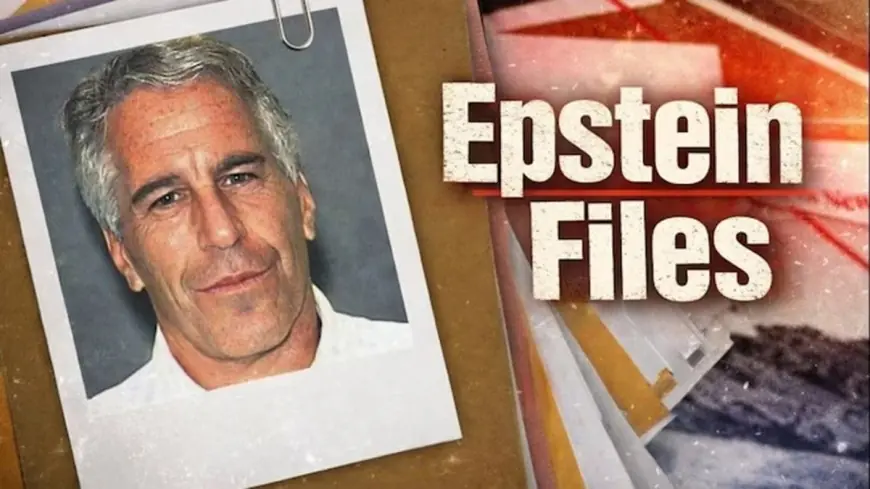
In the latest Epstein files update, the US Department of Justice has moved from a long-simmering transparency fight into a fast-moving damage-control phase, after a massive document release collided with victim privacy concerns, congressional demands, and renewed scrutiny of prominent names that appear in the records. The situation is still developing, but the immediate story is no longer only what the files contain—it is also how they were released, what was accidentally exposed, and what the government will do next to correct it.
What happened in the DOJ Epstein files release, and why it matters now
On Friday, January 30, 2026, the Department of Justice published a major tranche of Epstein-related materials, framed as compliance with a transparency law signed in late 2025. In the days that followed, victims’ advocates raised alarms that thousands of documents contained redaction errors that could reveal identifying information for women connected to the case.
By Tuesday, February 3, 2026, a federal judge in Manhattan halted a scheduled hearing after lawyers for victims and the Justice Department reached an agreement intended to better protect identities going forward and to address what had already been exposed. The court details have not been fully laid out publicly, but the thrust is clear: the release was so large and so imperfectly processed that it created a new harm—one the system now has to unwind.
Why this matters: the government is under pressure to show transparency without re-traumatizing victims, and any misstep can undermine public confidence in the entire release while creating real-world safety and privacy risks for survivors.
What are the Epstein files, really, and what they are not
The Epstein files are not a single “client list” document. They are a broad set of investigative and legal materials—emails, contact records, images, videos, administrative forms, and other case-related items—spanning years. That matters because names can appear for many reasons: correspondence, scheduling, third-party references, or investigative leads. A name in a document is not proof of wrongdoing, and the documents often require context that may not be present in the public release.
This distinction is crucial because online search traffic around “epstein files pdf,” “epstein files released,” and “epstein files search” often assumes the release is a tidy index of guilt. It is not. It is a messy archive, and the biggest near-term fight is over redactions, completeness, and the rules of public access.
Behind the headline: incentives, stakeholders, and why this release is so combustible
The incentives are colliding:
-
The Justice Department is incentivized to show compliance and momentum after years of criticism that Epstein’s network was never fully exposed.
-
Victims and their lawyers are incentivized to protect identities, prevent harassment, and stop doxxing risks that can follow public disclosure.
-
Members of Congress are incentivized to push for oversight, claim wins on transparency, and frame the release as either accountability or a cover-up—depending on party interest.
-
High-profile individuals named in the materials are incentivized to contain reputational damage, often regardless of whether the mention is meaningful.
Stakeholders with leverage include the court overseeing disputes, victims’ counsel flagging harms, congressional committees that can subpoena or demand briefings, and the Justice Department officials managing the release process.
The missing piece that keeps inflaming the story is simple: the public can see fragments, but often cannot see the underlying context that explains why a document exists, how it was obtained, and what investigators concluded.
The celebrity swirl, conspiracy claims, and what’s actually verifiable
Search trends show a familiar pattern: as soon as a large archive drops, the public conversation expands beyond verified names and into speculation, false associations, and conspiracy narratives. That is why terms like “mossad,” “pizza gate,” and rapid-fire celebrity pairings spread so quickly in the same breath as “new epstein files released today.”
Separately, some prominent figures are facing real reputational fallout tied to newly surfaced communications or mentions. But the core reporting standard remains: appearance in documents is not, by itself, evidence of criminal conduct. The most reliable signals tend to come from materials that show direct involvement, corroborated timelines, or legally tested allegations—none of which are automatically present just because a name appears in an index or a scan.
What we still don’t know
Several key issues remain unresolved as of Wednesday, February 4, 2026, ET:
-
How many documents contained identifying victim information, and how broadly they spread before being corrected.
-
What technical or process failures caused the redaction errors, and whether an independent review will be installed.
-
Whether additional tranches will be delayed while new safeguards are put in place.
-
How “complete” the release is in practice, including whether key categories were withheld for lawful reasons or because they remain under investigation.
What happens next: realistic scenarios and triggers to watch
-
Rapid remediation and tightened controls
Trigger: the Justice Department rolls out improved redaction protocols and a clearer process for victims to flag problems quickly. -
Court-supervised monitoring
Trigger: the judge determines the harm risk remains too high without an external reviewer or stricter compliance checks. -
Escalating congressional demands for unredacted access
Trigger: lawmakers argue public redactions are too heavy while demanding private review of fuller records under controlled conditions. -
Additional releases with slower pacing
Trigger: officials prioritize accuracy and privacy over speed, releasing smaller batches after tighter review. -
A reputational wave with uneven consequences
Trigger: more screenshots and partial excerpts circulate, forcing individuals to respond even when the underlying context is unclear.
Why the Epstein files story isn’t going away
The Epstein case sits at the intersection of power, secrecy, and institutional failure. A mass disclosure is supposed to answer questions—but if it creates new harms, fuels misinformation, or appears incomplete, it can deepen distrust instead. The next phase will be defined less by a single bombshell document and more by process: privacy safeguards, clarity about what the archive includes, and whether accountability can be pursued without turning victims into collateral damage again.