























Trevor Noah, Epstein Island Jokes, and the 2026 Grammys: What He Said, What It Means, and Why the Debate Blew Up

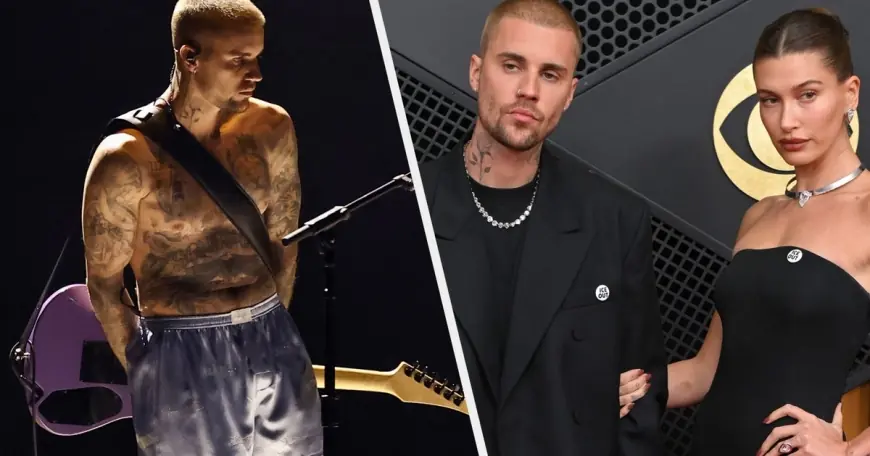
Trevor Noah’s 2026 Grammys appearance became a flashpoint that mixed pop culture, politics, and misinformation into one headline-grabbing swirl. The ceremony is over now, having aired on Sunday, February 1, 2026 (ET), with Noah returning as the Grammy host for what was billed as his final turn in the role. But the post-show conversation has been dominated less by winners and performances and more by a monologue moment: a joke that invoked former president Donald Trump, Bill Clinton, and Jeffrey Epstein’s island.
At the same time, search traffic has surged for everything adjacent to the broadcast, from “who is Trevor Noah” to “why is Trevor Noah not hosting the Grammys,” plus unrelated celebrity queries that often spike around major live events, including Chrissy Teigen, Lizzo, and Aaliyah.
Who is Trevor Noah, and why has he been the Grammys host?
Trevor Noah is a South African comedian and TV host best known internationally for political comedy, stand-up, and years at the helm of a major American late-night satire show. In recent years he’s also become a steady award-show emcee: a role that rewards quick timing, crowd control, and the ability to pivot when live television goes off-script.
The Grammys leaned into that skill set by bringing him back repeatedly. By 2026, Noah’s hosting style had become familiar: fast jokes, light improvisation, and a monologue that tries to balance industry in-jokes with broadly accessible punchlines.
Grammys 2026: is the Grammys over, and what happened on the broadcast?
Yes, the Grammys are over. The 2026 ceremony took place on Sunday night, February 1, 2026 (ET). As with most years, it mixed major category awards with live performances and cameo moments that later circulate as clips.
Even when viewers tune in for the music, the internet often treats the host as the story engine: the person most likely to generate a viral quote. In 2026, that dynamic intensified because the most shareable line was political.
What did Trevor Noah say about Trump and “Epstein Island”?
During his onstage remarks, Noah made a joke that referenced Trump, Clinton, and Epstein’s island. The line was framed as comedy, but it landed in a uniquely combustible environment: high public sensitivity to Epstein-related conspiracies and a political climate primed to interpret jokes as allegations.
Two things can be true at once:
-
The joke was not presented as evidence in a legal or investigative sense; it was a punchline in a live monologue.
-
The wording and subject matter were explosive enough that people immediately treated it like a claim that needed fact-checking.
In the aftermath, Trump publicly denied having visited Epstein’s island and signaled potential legal action over the remark. That threat has become the second headline: not only “what did the groundhog of pop culture say,” but “what happens when a host’s joke collides with political grievance and the mechanics of defamation law.”
Behind the headline: why a monologue joke turned into a political dispute
This is less about one comedian and more about incentives.
For a host, the incentive is attention. A monologue that gets clipped and shared is the closest thing to a win condition on modern live TV. For political figures, the incentive is control of narrative: pushing back loudly can rally supporters, redirect the conversation, and turn a late-night punchline into a fundraising or messaging moment. For online audiences, the incentive is certainty and tribal sorting: people want a clean verdict quickly, especially on topics that already carry moral outrage.
The stakeholders are wide:
-
The Recording Academy and the Grammys brand, which want a big show without becoming a political battleground.
-
Noah, whose reputation depends on being sharp without looking reckless.
-
Public figures named in jokes, who weigh whether ignoring a jab looks weak or whether reacting gives it oxygen.
-
Viewers, who are increasingly trained to treat comedy as a source of “receipts,” even when it isn’t.
Second-order effects matter, too. When a joke triggers a threat of legal action, it can chill what future hosts say on air, push producers toward safer scripts, and shift award shows further away from commentary and toward pure spectacle.
Why are people asking “why is Trevor Noah not hosting the Grammys”?
Because 2026 was positioned as his last time hosting. That phrasing naturally sparks confusion: some people interpret it as “he got replaced,” others as “he quit,” and others as “he was removed.” The cleanest read is simply that he chose to stop after multiple years, and the show chose to frame it as a capstone.
What happens next is a familiar set of scenarios:
-
A new host or rotating hosts in 2027 to refresh the format.
-
Noah returning later for a one-off if ratings and audience feedback stay strong.
-
A shift toward more musical segments and fewer monologue risks if producers want to avoid political blowback.
The trigger will be measurable: audience response, social engagement, advertiser comfort, and whether the organization sees hosting as a liability or a lever.
Where do Chrissy Teigen, Lizzo, and Aaliyah fit into this?
Big live events create “search storms.” People look up celebrities they saw in the audience, in clips, in side conversations, or in unrelated trending posts that ride the same wave of attention. Lizzo-related searches often spike around major music nights because viewers associate her with past Grammys moments and big-stage performances. Aaliyah’s name frequently resurfaces during award-season retrospectives, tributes, catalog discussions, and anniversary talk. Chrissy Teigen’s name tends to trend whenever social chatter latches onto celebrity reactions, commentary, or adjacent viral posts.
Not every trending keyword reflects something that happened on stage. Sometimes it’s simply the internet using a single spotlight to illuminate everything nearby.
What to watch now
If you’re tracking “Epstein island” alongside “Trevor Noah Grammys,” the key missing piece is verification: comedy is not documentation, and viral clips are not case files. The more realistic next steps are procedural and reputational rather than dramatic:
-
Whether any legal threat turns into an actual filed case.
-
Whether future award-show scripts become more cautious.
-
Whether the controversy fades as the news cycle moves on, or resurges with new clips and political messaging.
For viewers, the practical takeaway is simple: the 2026 Grammys ended February 1 (ET), Trevor Noah did host, and one joke became the post-show storyline because it hit the intersection of celebrity culture, political incentives, and a topic that reliably ignites conspiracy thinking.