























Impact of the 1984 Subway Vigilante Shooting Continues to Resonate Today

The shooting incident involving Bernhard Goetz in the New York City subway in 1984 remains a pivotal moment in American criminal history. This event not only sparked intense national debates on race, crime, and vigilantism, but it also set the stage for significant political discourse that continues to resonate today.
Understanding the Impact of the 1984 Subway Vigilante Shooting
In his new book, “Five Bullets: The Story of Bernie Goetz, New York’s Explosive ’80s, and the Subway Vigilante Trial That Divided the Nation,” journalist Elliot Williams delves into the complexities surrounding the shooting. The book highlights Goetz’s decision to shoot four black teenagers on a subway train, an incident that left one victim paralyzed and brain-damaged.
A City Under Pressure
During the 1980s, New York City faced alarming crime rates and widespread fear among residents. Williams emphasizes that the city’s homicide rate peaked at approximately 2,000 per year, illustrating the gravity of the situation. Many residents believed Goetz’s actions reflected their frustrations with the police’s inability to ensure safety. This sentiment polarized the city, as opinions varied widely on the justification of vigilante justice.
What Transpired on That Fateful Day
On the day of the incident, one of the teenagers reportedly approached Goetz, either asking or demanding money, though the exact nature remains disputed. Goetz, armed with an unlicensed revolver, shot all four teenagers before fleeing to New Hampshire. Upon turning himself in, he garnered significant support, becoming a symbol of resistance against rampant crime alongside negative perceptions of racial dynamics.
The Role of Media in Shaping Public Perception
Media coverage, particularly by tabloid newspapers like the New York Post, played a vital role in framing public reaction. Sensational headlines contributed to a climate of fear, influencing how the incident was perceived. Goetz’s recorded comments, where he expressed a desire to inflict maximum harm, did not deter his acquittal on felony charges, showing the complexities and risks in the courtroom methods employed during the trial.
Political Ramifications and Symbolism
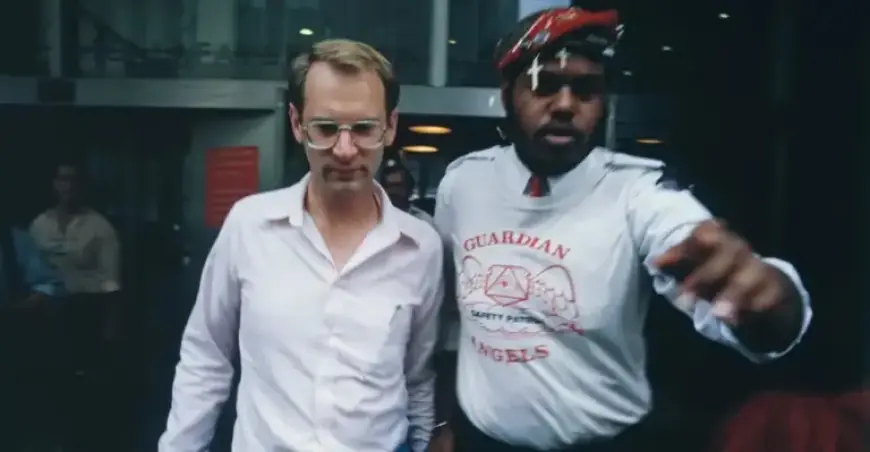
The case propelled several political figures, such as Rudy Giuliani and Al Sharpton, into the spotlight. Their ambitions grew as they navigated the implications of the Goetz trial, which became integral to their political narratives. Additionally, the incident granted visibility to groups like the Guardian Angels and organizations such as the National Rifle Association, which framed Goetz as emblematic of their campaigns for gun rights.
A Controversial Figure
Williams describes his unsettling interview with Goetz, noting his lack of remorse for the shooting. The conversation revealed Goetz’s views, which starkly contrasted the common understanding of the tragedy’s broader impact on victims and society. As Goetz remains unrepentant, the implications of his actions continue to provoke discussions about race, self-defense, and law enforcement.
Reflecting on Ongoing Conversations
The enduring legacy of the 1984 subway shooting serves as a mirror reflecting American anxieties surrounding crime and justice. As Williams proposes revisiting this case in 2026, it becomes apparent that the dialogues initiated decades ago still resonate profoundly today. “Five Bullets” poignantly illustrates how this shooting on a subway train laid the groundwork for many current debates over safety and societal standards.
- Location: New York City
- Year of Incident: 1984
- Number of Victims: 4 teenagers
- Outcome: Goetz acquitted of all felony charges
- Media Influence: Strong sensational coverage