Silver price today rebounds after historic whipsaw, hovering near $81.50

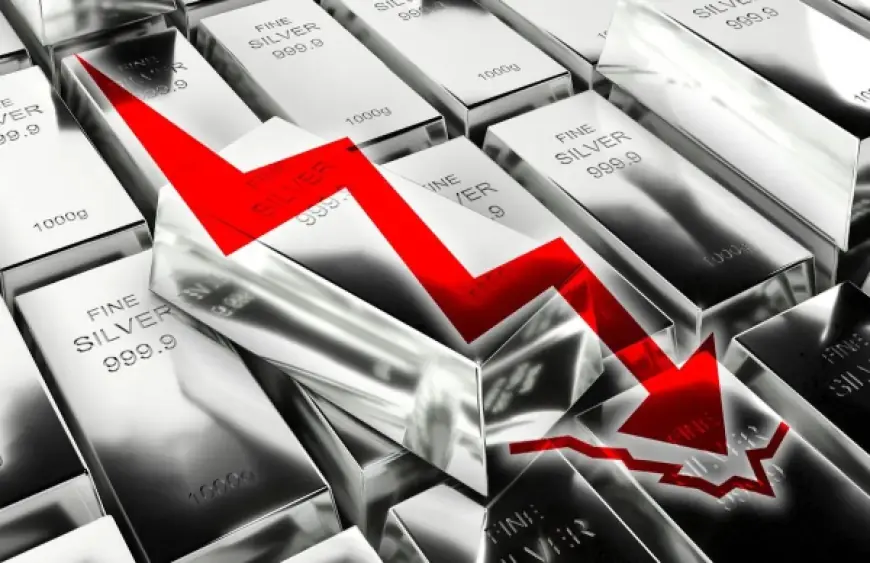
Silver stabilized and bounced on Tuesday after one of the most violent two-day moves in modern precious-metals trading, leaving traders and physical buyers focused on whether the market is finally finding a floor. As of 12:30 p.m. ET Tuesday, Feb. 3, 2026, spot silver traded around $81.50 per troy ounce, higher on the day but still far below last week’s peak.
The backdrop is extreme: silver hit an all-time high in late January, then suffered a one-day collapse that forced liquidations across futures and shook retail demand for coins and bars.
Silver price today: key levels
Silver’s rebound has been real, but the day’s range shows the market is still swinging widely.
| Measure (USD) | Level (approx.) | Notes |
|---|---|---|
| Spot silver | $81.50/oz | Up about $2.29 (+2.9%) vs prior close near $79.21 |
| Most-active U.S. silver futures | $81.25/oz | Trading in the low $80s after Monday’s slide |
| Spot day’s range | $79.21–$85.65 | Wide intraday band remains |
| Spot 52-week range | $28.16–$121.67 | The recent peak reset the high |
| Late-January record high | ~$121.6 | Hit Jan. 29 before the sharp reversal |
From record high to air pocket
The market’s recent path has been dramatic even by silver’s standards. On Thursday, Jan. 29, silver surged to around $121.6 per ounce. On Friday, Jan. 30, it plunged more than 25% in a single session—an “air pocket” move where selling snowballed as positions were cut quickly.
By Monday, Feb. 2, silver traded down near $78 at points during the session, extending the damage before Tuesday’s rebound. That sequence—vertical rise, sudden crash, then sharp bounce—often leaves a market stuck in a volatility loop where every rally invites profit-taking and every dip draws fast “buy-the-dip” money.
What’s driving the swing
Several forces have converged at once:
First, policy expectations and the U.S. dollar have moved sharply. A stronger dollar typically pressures dollar-priced metals, while rising real yields make non-yielding assets less attractive. Even small shifts in rate expectations can hit silver harder than gold because silver’s market structure is thinner and more momentum-sensitive.
Second, positioning and leverage have been central. Silver’s rally into late January attracted speculative participation, and the unwind accelerated once the market turned. When leveraged trades unwind quickly, sellers often hit bids across multiple venues at the same time, turning a pullback into a cascade.
Third, higher margin requirements for metal futures in the wake of extreme moves have tightened the screws. When margin rises, some traders must reduce exposure immediately, which can intensify selling pressure and widen intraday ranges. That dynamic can also snap back in the opposite direction as short covering builds during rebounds—helping explain why the market can be down hard one day and sharply higher the next.
Spot vs futures vs physical silver
Many people searching “silver price today” are really asking, “What will I pay for coins or bars?” The answer can differ meaningfully from the headline quote.
Spot prices reflect the market’s reference level for unallocated metal. Futures prices reflect standardized contracts that can trade differently depending on timing, liquidity, and hedging flows. Physical products—coins, rounds, and bars—add an extra layer: dealer premiums, fabrication costs, shipping, and inventory conditions.
During volatility spikes, two things often happen at the same time:
-
Retail premiums widen, because demand surges and suppliers protect inventory.
-
Bid/ask spreads widen, because dealers face faster price risk and want more cushion.
So even if spot silver holds near $81–$82, the all-in per-ounce cost for popular products can move differently—sometimes by several dollars per ounce.
What to watch next
The market’s next cue is whether silver can hold above the prior close area near $79 for multiple sessions. If it does, volatility may cool and the market may start building a more stable trading range in the low-to-mid $80s.
If it fails, attention will likely shift to the next technical support zone that many traders watch in a broad sense—levels in the mid-$70s and then the $60–$70 band that would represent a deeper retracement of the late-January spike.
For now, the clearest signal is simple: silver is higher today, but the market is still pricing in elevated risk, and the path forward will likely be set by macro expectations, positioning, and how quickly forced selling truly clears.
Sources consulted: Reuters; Investing.com; CME Group; London Bullion Market Association