























Discover Kubrick’s Cinematic World in a Whole New Light

Stanley Kubrick, a monumental figure in cinema, is celebrated for his influential filmmaking style. His legacy continues to thrive, prompting a special screening event of his work at the Harvard Film Archive.
Explore Kubrick’s Cinematic World
From now until April 27, the Harvard Film Archive will showcase all 13 of Kubrick’s feature films, early documentaries, and contributions to films like “A.I. Artificial Intelligence.” Each screening will utilize 35 mm film, providing an authentic viewing experience.
Course Offering
A course titled “Cinema of Stanley Kubrick,” led by Professor Justin Weir, will accompany the film screenings. Weir, a prominent figure in Slavic Languages and Literatures, expressed enthusiasm for this collaboration, emphasizing the rare chance to experience Kubrick’s films on the big screen.
The Timeless Relevance of Kubrick’s Work
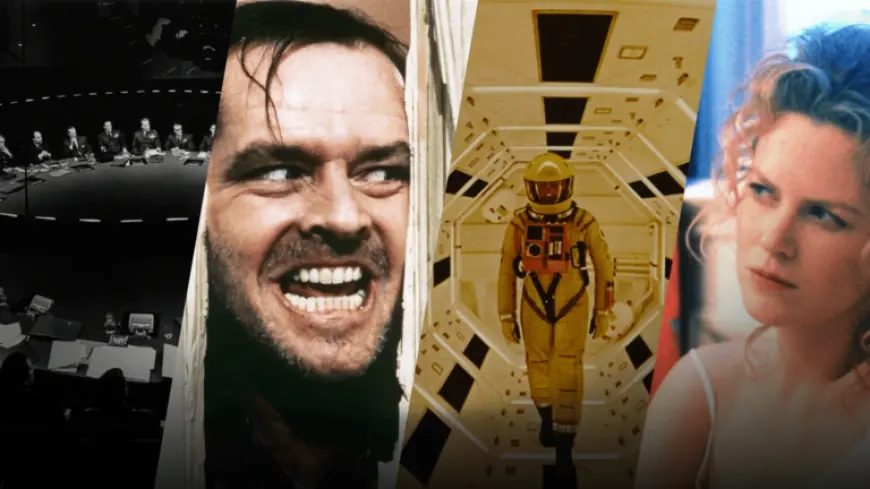
Kubrick’s films have a lasting resonance, often appearing on lists of the greatest movies. Classics like “2001: A Space Odyssey” and “Dr. Strangelove” maintain their appeal even decades after their release.
- “2001: A Space Odyssey” (1968) – A landmark in science fiction cinema.
- “Dr. Strangelove” – A darkly comedic exploration of nuclear war.
- “A Clockwork Orange,” “The Shining” – Cultural touchstones in modern media.
Key Themes in Kubrick’s Films
Kubrick often examined complex themes such as war, violence, and technology. His portrayal of artificial intelligence in “2001” remains iconic. These themes, especially his critique of war and human behavior, resonate strongly in today’s context.
Connecting Analog Experience
Weir noted that contemporary audiences show a growing interest in analog experiences. He hopes that viewing Kubrick’s films in their intended format will provide a deeper appreciation for their artistic merits.
The Evolution of Kubrick’s Approach
Kubrick’s filmmaking evolved alongside technological advancements. He adapted his techniques over time, evident in films like “The Shining,” which employed groundbreaking Steadicam shots, and “Barry Lyndon,” known for its innovative low-light photography.
Unfinished Business: A.I. Artificial Intelligence
Kubrick’s involvement in “A.I. Artificial Intelligence,” later directed by Steven Spielberg, raises important discussions regarding artificial intelligence’s emotional implications and ethical questions, enhancing the film’s depth.
Experience Kubrick’s Vision
Tickets for the screenings are available at the Harvard Film Archive. Prices are set at $10 for general admission, $8 for non-Harvard students, staff, and seniors, while Harvard students can attend for free. Ticket sales begin 30 minutes before each screening, also offering advance reservations.
Stanley Kubrick’s work invites endless analysis and appreciation. This event at Filmogaz.com promotes his artistic brilliance, revealing the layers of his cinematic world.