
























Saudi Arabia’s Supreme Court Urges Moon Sighting for Ramadan 2026 on Al Hijri 1447

As the holy month of Ramadan approaches in 2026, the Supreme Court of Saudi Arabia has called on Muslims to observe the crescent moon. This tradition plays a vital role in determining the official start of Ramadan, which falls under the Islamic calendar.
Moon Sighting for Ramadan 2026
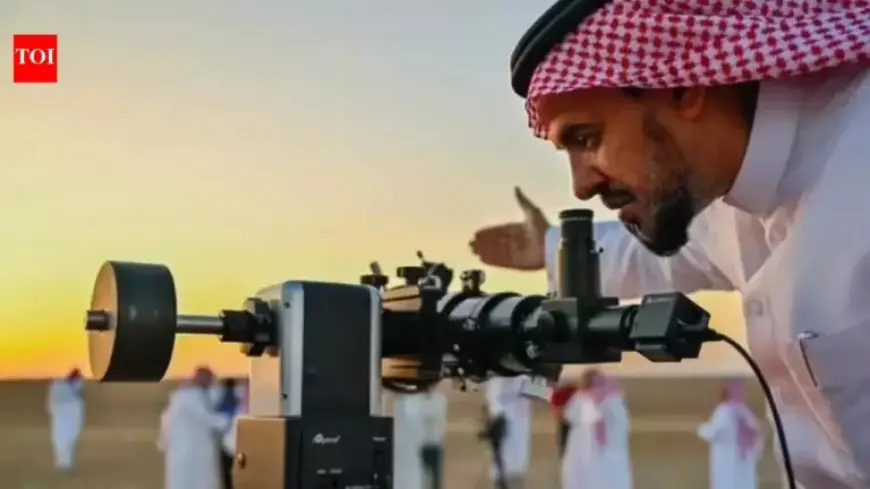
Muslims are encouraged to look for the crescent moon on the evening of the 28th of Sha’ban, which corresponds to February 17, 2026. Observers can report their sightings, whether through the naked eye or with binoculars, to the nearest court or verification center for official recording.
Official Announcement and Community Involvement
The Supreme Court has issued a public appeal for those who sight the moon to register their observations. The court emphasized the importance of community participation in this annual event, which fosters piety and collective engagement among Muslims.
- Reporting to courts or verification centers is encouraged.
- Participants may join committees for moon sighting.
- The act symbolizes unity and spiritual devotion.
This annual ritual is not just a procedural call but a deeply rooted Islamic tradition that signifies the beginning of increased devotion, community charity, and cultural rituals during Ramadan.
Significance of Crescent Sightings
The moon sighting tradition holds substantial religious and spiritual significance. It marks the start of a month dedicated to fasting, prayer, and reflection. The act of observing the crescent moon fosters unity, reminding believers to be mindful and grateful.
Community Engagement and Synchronized Calendars
Encouraging public participation in moon sightings strengthens communal ties and shared responsibility among Muslims. This practice also helps synchronize national calendars, affecting work schedules and community events during Ramadan.
Moon Sighting in the Modern Age
In today’s digital landscape, the calls for moon sightings are amplified through various forms of media and public discourse. Despite some countries opting for astronomical calculations, Saudi Arabia remains committed to traditional moon sightings. This approach resonates with many believers who cherish the communal aspect of this practice.
As February 17 approaches, Muslims in Saudi Arabia and around the world prepare for this important event. The experience blends faith, anticipation, and age-old traditions, reaffirming the relevance of sacred practices in contemporary religious life.