











Iran Worries US Strike Could Spark Protests, Threaten Regime Stability

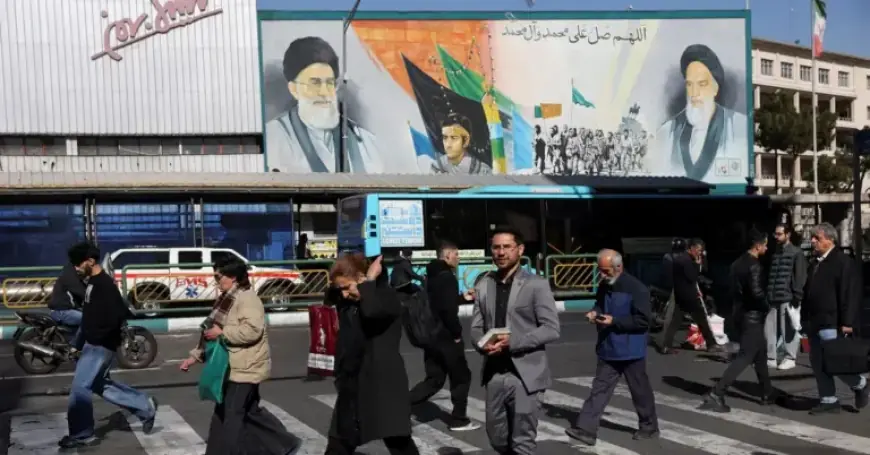
Iran’s leadership harbors deep concerns that potential U.S. military strikes could ignite widespread protests and undermine governmental stability. Recent sentiments within the regime highlight the eroding fear among the populace, particularly following a violent crackdown on protests that took place in January.
Growing Public Anger and Regime Concerns
In discussions involving Supreme Leader Ayatollah Ali Khamenei, officials indicated that public outrage over January’s harsh suppression of protests—deemed the bloodiest since the 1979 Islamic Revolution—has significantly diminished the populace’s fear of government retaliation. Current and former officials conveyed that many Iranians are ready to take to the streets again.
- Public unrest may be rekindled by a limited U.S. strike.
- Officials believe enemy forces aim to escalate protests to destabilize the Islamic Republic.
- A top official warned that a U.S. attack combined with protests could lead to regime collapse.
Military Tensions and Potential U.S. Actions
The Biden administration is exploring military options against Iran that focus on targeted strikes against security forces and leadership to motivate public dissent. Despite past U.S. and Israeli attacks on Iran’s nuclear capabilities, which did not incite major protests, current sentiments reflect a changed landscape.
Former moderate officials noted that the atmosphere of fear is dissipating. A former official stated bluntly, “People are extremely angry,” expressing that any U.S. military action could provoke significant civil unrest.
Warnings from Opposition Figures
Several former officials and opposition leaders, including ex-Prime Minister Mirhossein Mousavi, have cautioned that surging public frustration could destabilize the Islamic regime. Mousavi, currently under house arrest, emphasized that the recent violence has fueled a collective yearning for change.
- “The river of warm blood… will not stop boiling until it changes the course of history,” he stated.
- Mousavi urged that the people’s message is clear: they do not wish to accept the existing system.
Underlying Grievances and Potential Consequences
Despite the current quiet on the streets, analysts observe that unresolved issues remain, including economic hardship, political repression, and entrenched corruption. While citizens are increasingly angered, officials fear a tougher crackdown on any new protests.
A Tehran resident, mourning the loss of their son during the January protests, articulated a resolve to protest against further violence from the regime. Echoing widespread sentiments, they declared their readiness to retaliate should foreign intervention occur.
Future Outlook
As tensions escalate between Tehran and Washington, the likelihood of renewed protests grows. Should uprisings occur amidst foreign military pressure, analysts anticipate that demonstrators may exhibit greater determination, mobilized by a sense of desperation and past experiences.