
























Catherine O’Hara cause of death: what’s confirmed and what isn’t

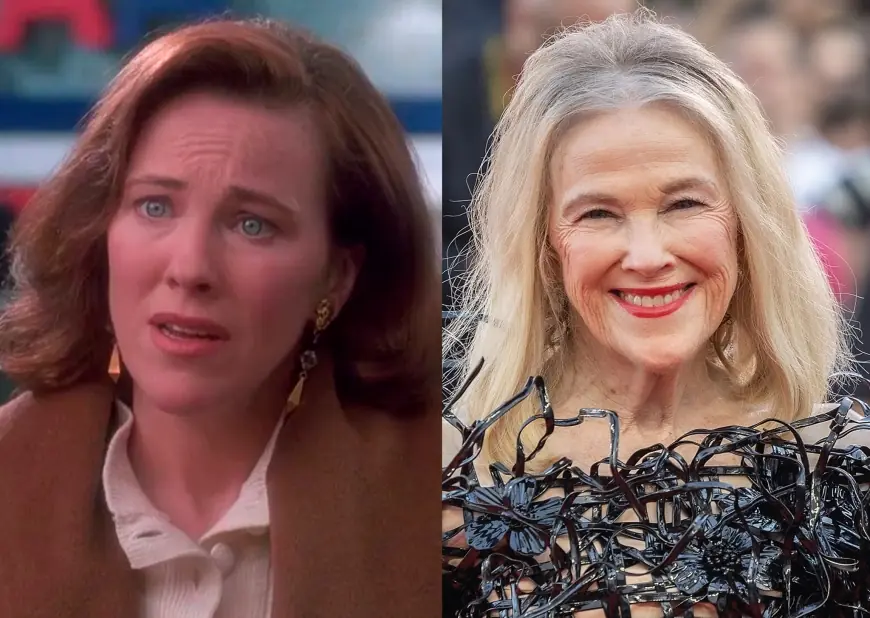
Catherine O’Hara died at age 71 on Friday, Jan. 30, 2026 (ET). Public statements confirming her death have described it as occurring after a brief illness, but no specific cause of death has been publicly disclosed as of Monday, Feb. 2, 2026.
That lack of detail has driven a wave of searches for “catherine o’hara cause of death,” along with speculation tying her passing to a rare congenital condition she previously discussed. At this time, the only firmly established point is that the exact medical cause has not been released publicly.
What has been officially confirmed
Public confirmation of O’Hara’s death has been attributed to her representatives and management, who have characterized her passing as following a “brief illness.” The statements do not identify a diagnosis, complication, or precipitating event.
Additional detail that has circulated widely is that emergency responders transported her to a hospital in serious condition on the morning of her death after a call reporting breathing difficulty at her home. That information speaks to the circumstances of her final hours, but it still does not establish a medical cause of death.
What is not confirmed
No official medical report, death certificate details, or family statement specifying a diagnosis has been made public. That means claims that name a particular condition—such as a heart disorder, pneumonia, stroke, or other acute event—remain unverified unless they come from an authorized medical or family source.
It’s also important to separate two different kinds of information people are mixing together online:
-
A medical condition she had in life (discussed publicly in past interviews)
-
A cause of death (a specific reason she died)
The first does not automatically explain the second.
The “rare condition” people keep referencing
O’Hara had previously spoken about having dextrocardia with situs inversus (often described as the heart and other organs being on the opposite side of the body than usual). This is a congenital condition that many people live with without major limitations, though some can experience complications depending on their anatomy and any associated issues.
Because that condition is unusual, it is being pulled into speculation about her death. However, there is no public confirmation that her congenital condition caused, contributed to, or was connected to her passing.
If a specific cause is released later, it may mention unrelated factors entirely. Until then, connecting those dots is guesswork.
Why details may stay private
Families sometimes choose not to release a cause of death for privacy reasons, especially when the death was sudden or followed an illness not previously shared publicly. Even when an illness is mentioned, “brief” can cover a wide range of situations—from days to weeks—and does not necessarily imply a single diagnosis.
If further information is released, it typically comes through:
-
a family statement,
-
a representative statement that includes a diagnosis,
-
or official documentation.
Absent that, there is no reliable basis for a definitive answer beyond “undisclosed.”
How to treat the information you’re seeing online
When a well-known figure dies and the cause isn’t announced, the internet tends to fill the gap quickly. A practical way to evaluate what you’re seeing:
-
Confirmed: statements from representatives, emergency services, or immediate family that give specific details.
-
Unconfirmed: anonymous claims, unsourced screenshots, or posts asserting an exact diagnosis without any official backing.
-
Misleading: posts that quote a real health fact from years ago and present it as the cause of death.
If your question is simply “what was Catherine O’Hara’s cause of death,” the most accurate answer right now is: it has not been publicly released.
Sources consulted: Reuters; Entertainment Weekly; NBC News; Los Angeles Fire Department