























Amazon Fresh grocery stores closing in sweeping shift away from physical locations

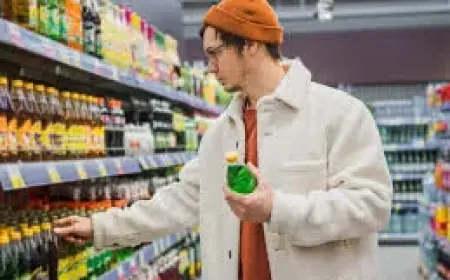
Amazon Fresh is shutting down its brick-and-mortar grocery footprint in a major strategic pivot that leaves many shoppers asking two practical questions at once: which stores are closing, and what does “Amazon Fresh near me” even mean going forward.
The company’s plan, announced in late January, is to end operations at its physical Amazon Fresh grocery stores and its remaining cashierless convenience-store format, while putting more emphasis on grocery delivery and expanding Whole Foods Market in the years ahead.
What’s closing and when
The closure plan covers the physical Amazon Fresh grocery stores and the remaining convenience-store format that had been part of Amazon’s broader push into in-person retail. The winding-down has been rapid, with many locations slated to stop operating within days of the announcement.
One key wrinkle: California stores have faced a different timeline because state rules can require additional steps before certain kinds of closures take effect. That has meant the “last day” has not been uniform everywhere, even when the intent is the same.
For shoppers, the main takeaway is that “Amazon Fresh” is not disappearing as a grocery brand. The company has signaled it intends to keep serving customers through online grocery ordering and delivery, even as the physical storefronts go dark.
Why Amazon Fresh is closing stores
The decision lands after years of experimentation: cashierless checkout, different store layouts, private-label expansion, and a mix of “quick trip” convenience concepts alongside full grocery aisles.
The most direct explanation offered for the shift is economics and scale. Amazon has acknowledged that, despite pockets of success and meaningful learnings, it did not reach a model that it considered broadly scalable and consistently profitable across locations as a standalone physical chain.
Instead, the company is consolidating around two growth bets it views as more durable: faster grocery delivery logistics and a bigger role for Whole Foods as its primary in-person grocery presence.
What “Amazon Fresh near me” means now
If you’re searching “Amazon Fresh near me,” there are now two different outcomes:
-
A physical store nearby (in the short term, if one hasn’t closed yet).
-
Delivery coverage nearby even if there is no longer a store to visit.
To check your situation without guesswork, use Amazon’s official store-finder for physical locations and confirm the store status directly. For delivery, the most reliable indicator is whether grocery delivery is available to your address in the ordering flow and what delivery windows are currently offered.
If your closest store is closing, the practical alternatives Amazon is steering shoppers toward are grocery delivery and, where available, shopping at Whole Foods locations.
What happens to the locations and workers
Amazon has said some former Amazon Fresh and convenience-store sites may be converted into Whole Foods locations over time. Not every storefront is expected to make that transition, but the conversions are part of the company’s broader push to expand Whole Foods with a sizable slate of new stores planned for the coming years.
On staffing, the company has indicated it is working to place impacted employees into other roles across its operations network where possible, alongside separation support for those who do not transition. The total number of affected workers has not been consistently disclosed in a single public tally across all markets.
What to watch next
The next signals will come from execution details rather than headlines:
-
How quickly grocery delivery expands in additional cities and suburbs, especially for same-day options
-
Which closed storefronts are actually converted into Whole Foods, and on what timeline
-
Whether Amazon introduces a new physical grocery format later, after stepping back from the current one
In the near term, shoppers should expect more clarity at the neighborhood level than at the national level: individual store postings, local operational updates, and delivery-coverage changes will be the most actionable information as the transition plays out.
Sources consulted: Associated Press; Reuters; Amazon (company newsroom); The Verge