

























Partial US Government Shutdown 2026: The Government Is Shut Down Again, and the Fight Is Over ICE Funding and DHS Rules

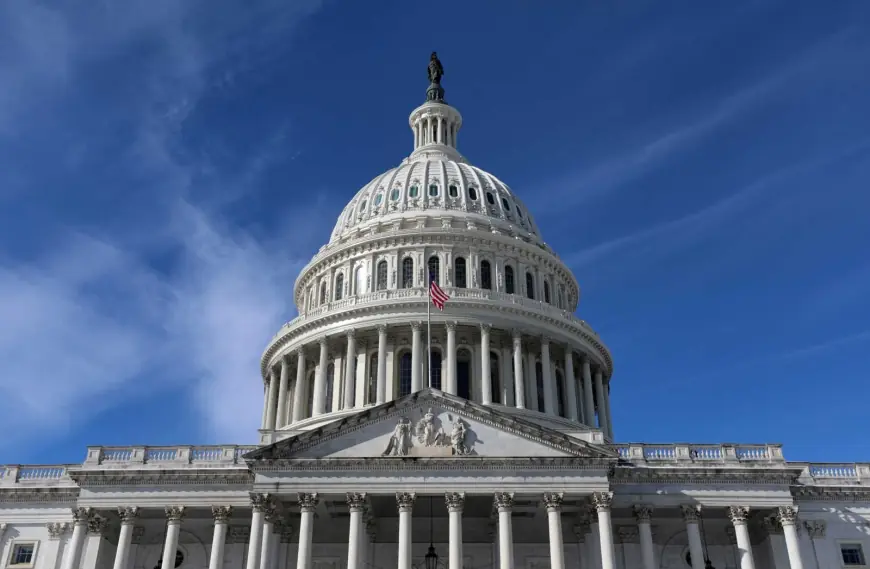
A partial US government shutdown is underway as of Monday, February 2, 2026, Eastern Time, after a funding lapse that began early Saturday, January 31, 2026, ET. So if you are asking, did the government shutdown today, the answer is no, it did not newly shut down today, but yes, the government is still partially shut down today.
The standoff is not a classic across-the-board spending clash. It is a targeted fight centered on Department of Homeland Security funding, Immigration and Customs Enforcement oversight, and how fast the House will move to approve a Senate-passed package that funds most agencies while buying two more weeks to negotiate DHS and ICE guardrails.
Government shutdown update: what happened, and why this shutdown is different
Late last week, the Senate moved a bipartisan plan designed to keep most of the federal government funded through the end of the fiscal year while carving out DHS for a short extension, widely described inside Capitol negotiations as a pressure valve. The idea was simple: pass what can pass now, and push the hardest piece, DHS and ICE, into a short window for reforms and enforcement limits.
That plan did not prevent a shutdown because of timing and procedure. The House was not positioned to clear the Senate package before the deadline, and House Democrats signaled they would not help fast-track the bill under expedited procedures. Speaker Mike Johnson has said the House can end the shutdown by Tuesday, February 3, 2026, ET, but the vote path is procedural and politically brittle.
In practical terms, this means many functions keep operating, but a meaningful slice of federal activity shifts to reduced operations, delays, and furloughs until the funding law is enacted.
Senate Democrats, ICE funding, and the trigger event behind the standoff
The immediate political catalyst is a deadly immigration enforcement incident in Minneapolis that has intensified scrutiny of federal agents and sparked Democratic demands for DHS reform tied to accountability and transparency. Democrats have pushed for changes that include stricter oversight of enforcement operations and clearer rules for agents, while Republicans argue some demands would endanger officers or undermine enforcement.
This fight has turned the budget into leverage. Senate Democrats used the DHS and ICE funding debate to force a negotiation, leading to a Senate approach that separated DHS from the broader spending package and instead offered a short continuing resolution for DHS.
The White House has treated the shutdown as a high-cost distraction, and President Donald Trump has publicly backed efforts to get a deal through, even as immigration enforcement remains a defining issue for his political coalition. The administration also signaled it would dispatch senior personnel to Minneapolis as part of the response, an attempt to show control and reduce the political temperature.
Mike Johnson’s math problem: ending the shutdown without a coalition
Speaker Johnson’s core challenge is arithmetic. With a narrow majority, he either needs near-unity within House Republicans or some Democratic votes. But Democrats are withholding the procedural help that would make passage quick and politically clean. That forces the speaker into the slower route, which eats time and gives opponents on both sides more opportunities to apply pressure.
On the Republican side, any short-term DHS extension can irritate hardliners who want tougher immigration provisions or who resist what they view as concessions. On the Democratic side, supporting funding without concrete guardrails risks internal backlash, especially after the Minneapolis incident.
That is why this shutdown is likely to be short but intensely symbolic: each faction wants to prove it did not blink first.
Where the Senate fits: today’s Senate vote context and leadership dynamics
The Senate has already done the part it can do in this moment: pass a package that funds large portions of the government while isolating DHS for a short extension. Senate Majority Leader John Thune and Senate Democratic leader Chuck Schumer have framed the strategy as an off-ramp that limits damage while negotiations continue.
The fact that the Senate acted does not automatically reopen government. The House must pass the same legislative text, and then it must be signed.
Mitch McConnell remains a prominent Senate figure, but the leadership baton has shifted, and the current fight is less about one individual power broker and more about whether Senate-crafted compromise can survive House procedural warfare.
Tom Suozzi and the pressure on swing-district Democrats
One revealing subplot is the squeeze on swing-district Democrats. Representative Tom Suozzi publicly faced blowback after backing DHS funding before the Minneapolis controversy reshaped the politics inside the party. His situation illustrates the broader incentive structure: Democrats want to avoid being branded as pro-shutdown, but they also want to avoid being branded as writing a blank check for ICE.
That tension is central to why the shutdown continues. It is not only about dollars. It is about what conditions, if any, are attached to enforcement authority.
What we still don’t know
Several key facts will determine whether the shutdown ends on February 3, 2026, ET, or drags on:
-
Whether House leadership can schedule and pass the rule and final vote quickly enough to reopen agencies
-
Whether Republican defections force a reliance on Democratic votes at the last minute
-
Whether negotiators can define DHS accountability measures that Democrats can defend and Republicans can accept
-
Whether any new developments related to the Minneapolis incident change the political calculations
What happens next: realistic scenarios and triggers
-
Quick reopening by Tuesday, February 3, 2026, ET
Trigger: the House passes the Senate package through standard procedure with minimal defections. -
Brief extension of the shutdown into midweek
Trigger: rules votes stall, travel and scheduling issues delay floor action, or internal GOP dissent spikes. -
Reopening with a side agreement on DHS oversight talks
Trigger: leadership offers a formal negotiation framework that gives Democrats cover without rewriting the bill. -
Reopening paired with a messaging war over blame
Trigger: both parties decide the policy fight continues after reopening, and shift to public positioning. -
A second cliff near the DHS short-extension deadline
Trigger: DHS funding talks fail inside the two-week window, setting up another shutdown threat.
Why it matters is straightforward: even a short partial shutdown disrupts federal services, complicates agency planning, and puts immediate stress on workers and contractors. Politically, it is also a test of whether immigration enforcement oversight has become a durable veto point in budget-making, not just a campaign issue.