























Teyana Taylor’s first Grammy nod puts “Escape Room” comeback in the spotlight

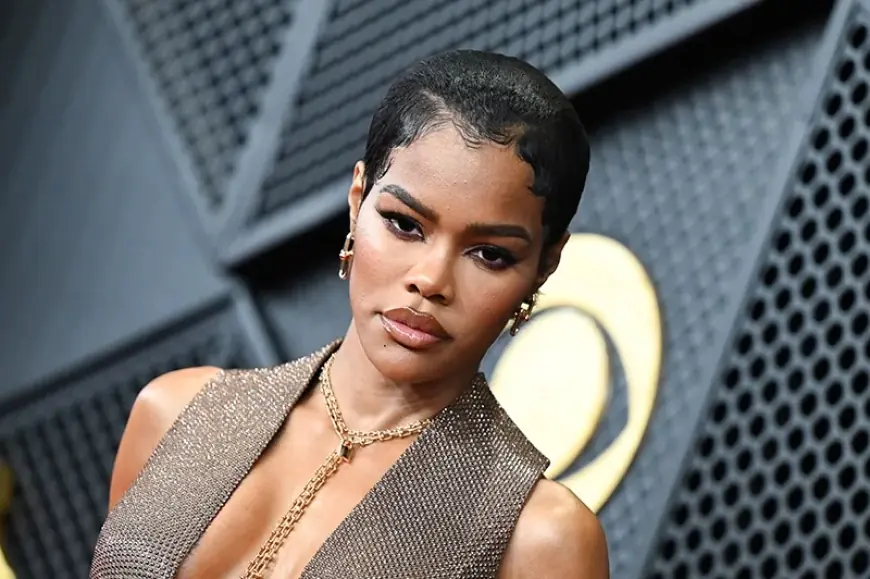
Teyana Taylor arrived at the 2026 Grammy Awards with a milestone that had eluded her for years: her first-ever nomination. The recognition—Best R&B Album for “Escape Room”—capped a return-to-music cycle that reintroduced her not just as a performer, but as a full-scope creative steering her own narrative.
On Sunday, February 1, 2026 (ET), Taylor’s night became a mix of awards-season visibility and career punctuation: a major-category nomination, a role on the telecast as a presenter, and a fresh reminder that her artistry spans music, style, and screen.
Teyana Taylor’s Grammy nomination in 2026
Taylor’s 2026 Grammys presence centered on one category: Best R&B Album, where “Escape Room” earned a nomination. It was her first nomination at the ceremony, arriving roughly five years after she publicly stepped away from releasing music in the early 2020s.
Here’s the snapshot of what mattered most this year:
| Item | Detail |
|---|---|
| Ceremony date (ET) | Sunday, February 1, 2026 |
| Taylor’s nomination | Best R&B Album |
| Nominated work | “Escape Room” |
| Outcome | Did not win (category went to “MUTT” by Leon Thomas) |
| Telecast role | Presenter |
What happened on Grammy night
Taylor’s appearance at the 2026 ceremony went beyond the nominee list. She also took part in the broadcast as a presenter, keeping her visible throughout the night even as the Best R&B Album award ultimately went elsewhere.
The larger takeaway from her Grammys moment wasn’t a trophy—it was positioning. A first nomination often changes how an artist’s catalog is discussed in industry rooms and in future campaigns. Even without a win, it can signal that a body of work landed with voters and is now “in the conversation” going forward.
“Escape Room” and the five-year reset
“Escape Room,” released in August 2025, was framed throughout its rollout as a return on Taylor’s terms—more personal, more direct, and less interested in smoothing edges for mainstream comfort. That context mattered because her hiatus had never felt like a quiet pause; it played out publicly as she broadened into other creative lanes and recalibrated how she wanted to operate.
By the time awards season arrived, “Escape Room” had become the proof-of-life project: a full album statement that treated vulnerability as the concept rather than a side-note. The nomination effectively stamped that approach as not only commercially viable, but also award-credible.
How the Best R&B Album race shook out
The Best R&B Album field in 2026 mixed established voices and newer momentum, and the category ultimately went to Leon Thomas for “MUTT.” For Taylor, the loss doesn’t erase the significance of being there—especially in a genre category that can be fiercely competitive and often rewards sustained cycles of output.
It also clarifies the landscape she’s operating in. The current R&B awards conversation is leaning toward projects that balance traditional vocal craft with contemporary production and strong songwriting identity. “Escape Room” earned its spot in that lane; the next question is whether Taylor follows it with a quick second act or chooses a longer arc, the way she did during her reset.
What the nomination changes for Taylor next
A first nomination tends to create practical ripple effects: stronger leverage for future collaborations, easier access to premium production talent, and more attention from gatekeepers who book high-visibility appearances. Taylor already moves comfortably across music, fashion, and film, so the bigger value may be optionality—she can keep making music without being boxed into a single lane.
The most concrete indicator right now is momentum. Awards-season visibility plus a major category nod can keep an album cycle alive beyond its typical shelf life. If Taylor extends the “Escape Room” era with additional visuals, performances, or new music, the Grammys moment provides a clear hook for that next chapter. If she doesn’t, the nomination still stands as a marker that her comeback connected at the highest level—even before any win enters the equation.
Sources consulted: The Recording Academy, Billboard, The Guardian, Harper’s Bazaar