
























Judge Considers Trump’s Removal of Slavery Markers at Washington’s House

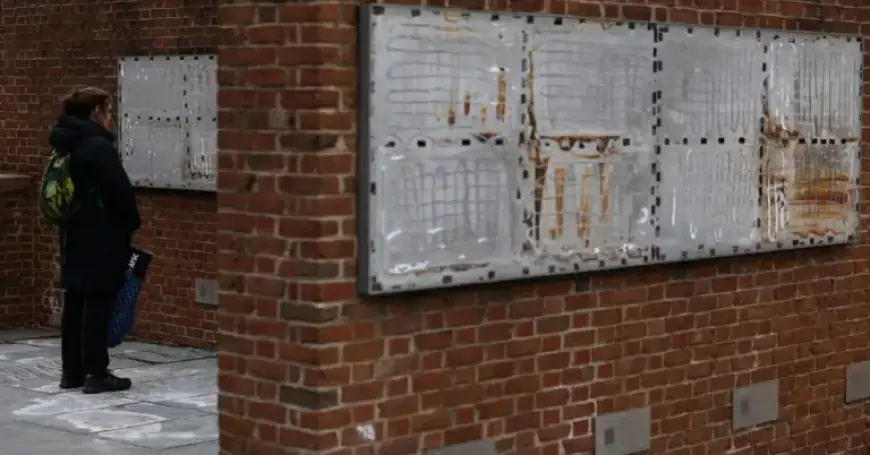
Federal courts are currently examining the Trump administration’s initiative to alter historical representations relating to slavery at significant sites. A pivotal case centers on the National Park Service’s potential removal of nine displays honoring enslaved people who were associated with George Washington’s estate in Philadelphia.
Judge’s Skepticism on Trump’s Actions
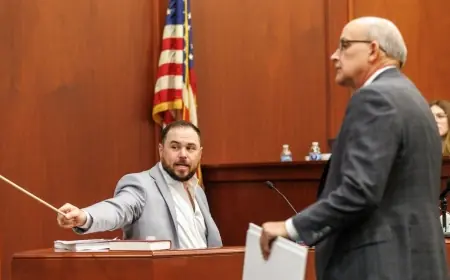
During a recent hearing, Judge Cynthia M. Rufe expressed doubt regarding the federal government’s authority to unilaterally modify the historical context of the President’s House. This site was crucial during Washington’s presidency and is located within Independence National Historical Park, which is scheduled to celebrate America’s 250th birthday this summer.
Judge Rufe, appointed by George W. Bush to the Eastern District of Pennsylvania, questioned the federal government’s rationale. She highlighted a previous statement by President Trump, which stated, “Can’t change history, but you can learn from it.” This statement appeared contrary to the administration’s recent executive orders that potentially downplay historical truths related to slavery.
Legal Actions by the City of Philadelphia
- Philadelphia filed a lawsuit against the government’s removal of slavery-related educational materials.
- City attorneys are seeking a preliminary injunction to restore the previously displayed content while legal proceedings continue.
- Judge Rufe plans to inspect the removed materials stored at the National Constitution Center.
The judge emphasized the need for assurance that further modifications to the site would not occur during the ongoing legal challenge. She voiced concern over the implications of altering historical narratives based on executive preferences.
Claims of Executive Power
Gregory in den Berken, representing the Justice Department, argued the Park Service holds the authority as the site’s legal owner to dictate its historical narrative. He believed that no immediate action by the court was necessary. However, Judge Rufe criticized this view as “cavalier,” reflecting on the broader consequences of such executive powers.
Upcoming Visitor Impact
As July approaches, the city anticipates significant foot traffic, with estimates of around 1.5 million visitors coinciding with the United States’ semiquincentennial. This influx raises the stakes for the preservation of historical content that narrates the realities of slavery.
Historical Context of the Displays
The displays that are under scrutiny featured stories of prominent enslaved individuals, including Ona Judge and Hercules Posey. These panels were designed to shed light on the ironies of slavery juxtaposed against the founding ideals of the nation. Judge Rufe articulated the importance of maintaining these narratives, likening the removal of such history to erasing memorials of those who fought against tyranny.
She argued that history cannot be erased simply because it is uncomfortable, insisting that understanding all facets of America’s past is essential.
This case exemplifies the ongoing national discourse on historical representation, memory, and the influence of political power on public narratives. As the hearings progress, the outcome may set significant precedents for how history is told at national landmarks throughout the United States.