
























Apple Enhances iPhone, iPad Security to Limit Location Data Collection

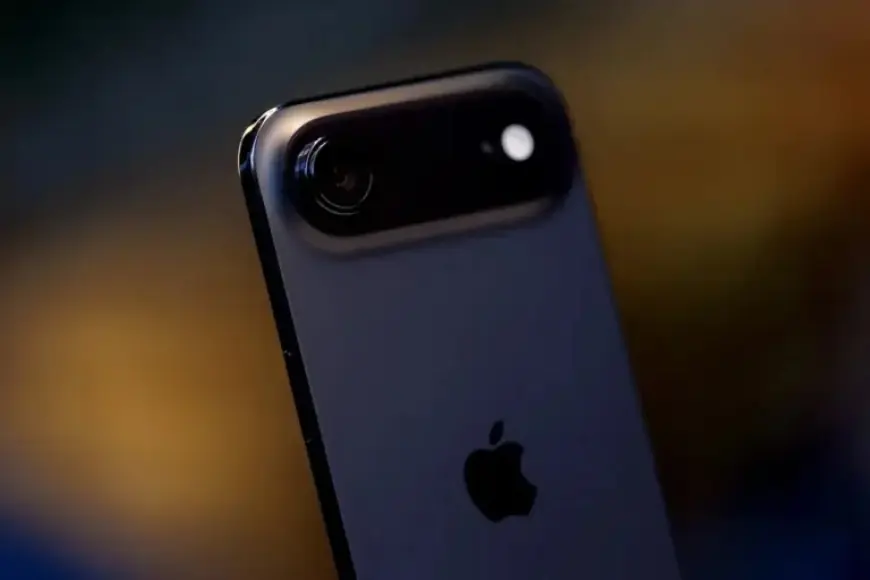
Apple has introduced a significant security enhancement for selected models of the iPhone and iPad. This update, which became available this week, aims to bolster user privacy by limiting the precise location data that devices share with mobile carriers.
New Security Features for iPhone and iPad
The latest update allows users to enable a feature that restricts their devices from disclosing exact locations to their cellular providers. Instead of sharing precise data like street addresses, devices will now provide approximate locations, such as a general neighborhood. This change is designed to protect user privacy while maintaining functionality.
Impact on Emergency Services and Apps
- The limited precision feature does not affect the location data shared with apps.
- First responders will still receive accurate location information during emergency calls.
Supported Devices and Carriers
The limit precise location feature is compatible with the following devices:
- iPhone Air
- iPhone 16e
- iPad Pro (M5) Wi-Fi + Cellular
This feature is available on select global carriers, including:
- Telekom (Germany)
- AIS and True (Thailand)
- EE and BT (United Kingdom)
- Boost Mobile (United States)
Context and Concerns
This rollout comes amid rising concerns regarding privacy breaches. Law enforcement agencies have increasingly sought access to individuals’ location data through cell carriers. Additionally, hackers are known to target mobile networks for sensitive information.
Recent reports indicated that U.S. telecommunications companies like AT&T and Verizon faced cyber intrusions from China-backed hackers known as Salt Typhoon, who aimed to access call logs and personal messages.
Expert Opinions on Privacy Enhancements
Mobile security experts, including Gary Miller from Citizen Lab, have commented on these developments. They highlight that while cellular providers can estimate a person’s location, the device itself also contributes crucial information. Miller noted that most users are unaware of how devices can transmit location data beyond app usage.
Despite being restricted to a limited number of networks, Apple’s new feature is seen as a positive step towards improving user privacy controls.