
























NASA Explores New Options for Gateway Logistics Solutions

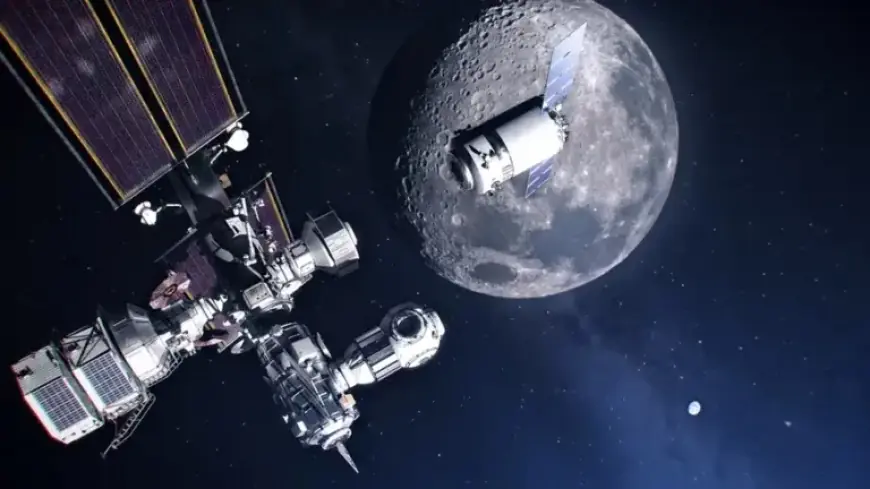
Navigating the complexities of lunar logistics, NASA is at a pivotal moment regarding the Gateway Logistics Solutions program. This initiative aims to facilitate cargo transport to and from the lunar Gateway, similar to the commercial support systems for the International Space Station.
NASA’s Partnership with SpaceX
In 2020, NASA chose SpaceX for the Gateway Logistics Services program, featuring a specialized version of its Dragon spacecraft known as Dragon XL. However, development proceeded slowly due to delays associated with the broader Gateway program.
Recent Developments
NASA authorized SpaceX to initiate the first logistics mission in 2023. Yet, discussions emerged regarding potential changes to the Gateway logistics architecture, which neither NASA nor SpaceX have publicly detailed. The agency anticipates making a decision on these revisions by mid-2025.
Exploring Alternative Options
Additionally, NASA has explored the possibility of using SpaceX’s Starship for Gateway logistics in lieu of Dragon XL. “Understanding their commercial trajectory is vital to addressing logistics needs for cislunar space,” stated Mark Wiese, the manager of NASA’s Deep Space Logistics program.
Funding and Program Status
Last year, progress on Gateway logistics faced setbacks when the proposed fiscal year 2026 budget sought to cancel the program. However, Congress restored funding through a budget reconciliation bill passed in July.
Future Directions
Currently, NASA finds itself at a crossroads, awaiting policy guidance that is expected post-Artemis 2 mission, scheduled for launch in early February. Wiese emphasized the necessity for a comprehensive transportation network in cislunar space to ensure successful logistics.
Additional Studies and Innovations
In August, NASA selected six companies for short-term studies aimed at developing orbital transfer vehicle concepts for cislunar and challenging orbits. The studies, valued at $1.4 million, were awarded to:
- Arrow Science and Technology
- Blue Origin
- Firefly Aerospace
- Impulse Space
- Rocket Lab
- United Launch Alliance
These investigations came under NASA’s Launch Services Program, part of the Venture-Class Acquisition of Dedicated and Rideshare Launch Services (VADR) contract. Wiese noted that completed studies would help inform future decisions about demonstration missions aimed at nourishing an emerging logistics market in cislunar space.
As the agency moves forward, it is clear that the decisions made now will shape the future of lunar logistics and the exploration of cislunar space.