
























Buying Canadian? Your Grocery Item Might Be U.S. Made

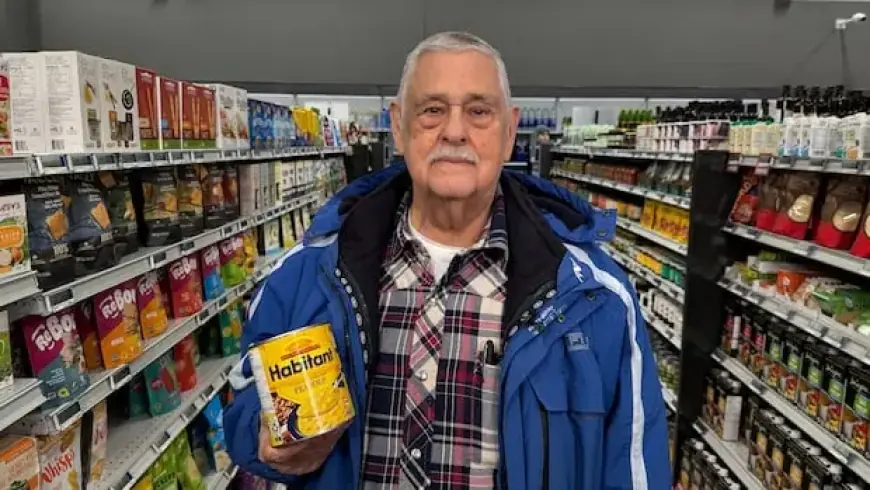
Many Canadian consumers are frustrated by grocery items that appear to be local but are, in fact, American imports. This phenomenon, often referred to as “maple washing,” is prevalent on store shelves across Canada. Dave Lawson, a St. Catharines resident, expresses disappointment over products marketed with Canadian symbols that do not live up to their claims.
Understanding Maple Washing in Canada
With increasing awareness about the origin of food products, many individuals are questioning labels that confuse consumers. Recent statements from Prime Minister Mark Carney emphasize the importance of buying Canadian, especially against the backdrop of U.S. trade tensions. Lawson is part of a growing group advocating for the purchase of genuinely Canadian goods.
Examples of Misleading Labels
- Betty Crocker’s Chocolate Chip Cookie Mix: Although marketed as “Canada’s #1 Selling Baking Mix Brand,” the packaging reveals it is a product of the USA.
- Habitant Pea Soup: Labeled “Designed in Canada,” this product also originates from the USA, causing discontent among Canadian consumers.
- McCain Super Spirals French Fries: Despite claims of being a “Proud Canadian Company,” these fries are produced in the U.S., demonstrated by fine print on the package.
Decoding Food Labels
Understanding food labels is essential for consumers wanting to support local products. Here are some important distinctions:
- Made in Canada: Indicates the last substantial transformation occurred in Canada.
- Prepared in Canada: Products prepared in Canada might contain imported ingredients.
- Designed in Canada: Often a marketing term that does not guarantee Canadian content.
- Product of Canada: Signifies that nearly all ingredients and processing occurred in Canada, providing the most assurance of local origin.
Looking for Clearer Labelling
Advocates are calling for more transparent labeling laws in Canada, similar to Australia’s Country of Origin Labelling (CoOL) system. This system requires clear information on the percentage of local ingredients, helping consumers make informed choices.
Sara Eve Levac, a lawyer with Option Consommateurs, is advocating for changes that would make labels clearer for Canadian shoppers. The Canadian Food Inspection Agency (CFIA) has acknowledged the importance of addressing consumer concerns about misleading labels, although specific plans for reform remain unclear.
As Canadian shoppers navigate grocery aisles, understanding the nuances of product labeling can empower them to make choices that align with their values and support local producers.