



















Uncover the Stories Behind Aaron Tau’s Meaningful Tattoos

Aaron Tau is poised to make a significant impact in the octagon at UFC 325, and his tattoos are a focal point of his identity. As a fighter, Tau represents more than just his skills; he embodies the cultural heritage of his Māori ancestry through his body art. This article delves into the meanings behind Aaron Tau’s meaningful tattoos and the stories they tell.
Aaron Tau’s Cultural Tattoos
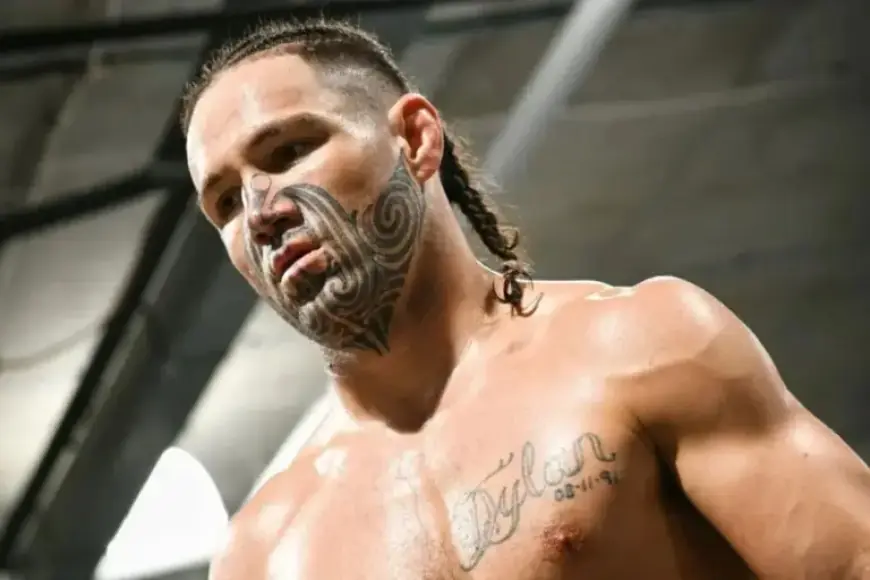
At UFC 325, set to take place in Sydney, Aaron Tau will compete in the Road to UFC Season 4 Flyweight Tournament final. His entrance into the arena marks a historic moment, as he will be the first UFC fighter to display a mataora, a traditional Māori facial tattoo.
The Significance of the Mataora
The mataora symbolizes far more than mere decoration; it carries deep cultural significance. In Māori tradition, tā moko serves to denote milestones in life, reflecting social status, lineage, and personal mana. Tau’s facial moko places him within a rich lineage of Māori heritage. While other fighters like Kai Kara-France and Dan Hooker celebrate their Māori roots, Tau’s mataora captures attention and discussion.
- Milestones: Mark significant life events from childhood to adulthood.
- Social Status: Reflects an individual’s rank and lineage.
- Cultural Identity: Promotes Māori culture on a global platform.
Personal Tattoos and Their Meanings
Beyond the mataora, Aaron Tau features additional tattoos that reflect personal significance. One important tattoo is the name “Dylan,” inscribed across his chest with the date 08-11-91. Although not publicly explained, this suggests a deep connection to someone significant in his life.
Moreover, Tau has Roman numerals tattooed on the back of his neck, though their specific meaning remains undisclosed. This pattern of personal tattoos adds layers to Tau’s story, which continues to evolve as he embarks on his UFC career.
A Journey of Growth and Opportunity
Aaron Tau’s path to the UFC has not been conventional. Born in Rahiri, Hokianga, he left home at the age of 15. He ventured into rugby league before finding his passion in mixed martial arts. His journey underscores not only his dedication to the sport but also his desire to showcase the roots of his heritage on a global stage.
With his impending fight at UFC 325, Tau is not just competing for a contract; he is ready to engage in a broader conversation about Māori culture and identity in sports. His growing recognition could pave the way for larger discussions about indigenous heritage, making this more than just a personal journey.
Conclusion
As Aaron Tau steps into the octagon, the stories behind his tattoos will resonate with audiences. Each mark on his skin carries meaning, offering a glimpse into his life, heritage, and aspirations. His upcoming fight at UFC 325 symbolizes a significant step not only for his career but also for the visibility of Māori culture in mixed martial arts.