Politics Always Influenced the Kennedy Center’s Legacy

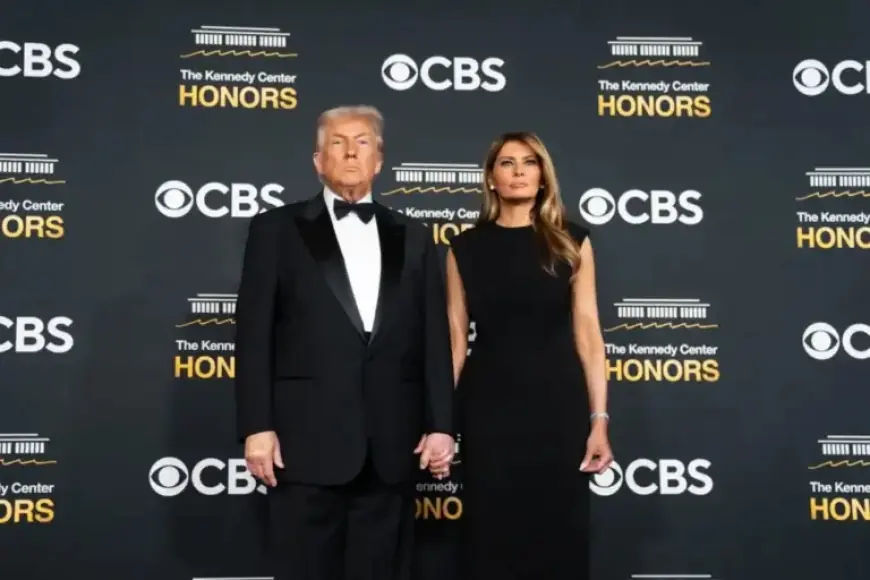
The Kennedy Center for the Performing Arts, located in Washington, D.C., has been at the center of political discourse for many years. The events surrounding performances and artist boycotts in recent years highlight this intricate relationship between politics and the arts.
Politics Influencing the Kennedy Center’s Legacy
Numerous high-profile artists, including Philip Glass, Rhiannon Giddens, and the Martha Graham Dance Company, have recently opted out of performances at the center. This shift has been linked to the perception of the venue under the Trump administration. Philip Glass, a renowned composer, announced he would not allow the National Symphony Orchestra to perform his Lincoln-inspired symphony there.
Producer Jeffrey Seller canceled a touring production of “Hamilton,” citing a belief that some institutions should remain unaffected by political currents. Bela Fleck, a well-known banjoist, echoed these sentiments, emphasizing the charged atmosphere surrounding performances in the current political climate.
Historical Context of the Kennedy Center
The Kennedy Center was established through the National Cultural Center Act and is situated on federal land. Its creation was motivated by a political agenda aimed at enhancing America’s cultural prestige during the Cold War era. Agnes Meyer, a significant figure in advocating for the center, testified before Congress on February 7, 1957, stating, “Washington is not only the Capital of the United States. It is the capital of the free world.”
- Date of Testimony: February 7, 1957
- Key Advocate: Agnes Meyer
- Political Motivations: Enhancing America’s cultural prestige
Furthermore, the center’s location and funding tie it closely to political authorities. Critics from New York, including architecture critic Ada Louise Huxtable, have condemned its design, relating it to totalitarian structures. Huxtable’s critiques highlighted the ongoing tension between political and cultural worlds.
The Role of Arts in Politics
Art has historically been intertwined with politics, from ancient civilizations to contemporary examples. The Kennedy Center, named after President John F. Kennedy, serves as a testament to this enduring relationship. It has been both a venue for high-profile events and a battleground for cultural discussions.
As Richard Grenell, president of the Trump-affiliated Kennedy Center, pointed out, media portrayals often lack depth and fail to capture the nuances of these cancellations. He has questioned whether the political narrative is driven more by the administration or by artists choosing to boycott performances.
Trump himself acknowledged on January 26, 2020, that the Kennedy Center faced financial challenges long before his administration, asserting his role in its revival. These complexities illustrate that the Kennedy Center’s legacy will always be influenced by the political landscape, regardless of the current administration.
Concluding Thoughts
The intertwined nature of politics and the arts at the Kennedy Center reflects broader societal dynamics. As artists navigate this complex environment, the conversations about the center’s legacy continue to evolve, reminding us that art will always have a place in the political arena.