John Leguizamo tells ICE supporters to “unfollow me,” triggering backlash as Minneapolis shootings fuel a new flashpoint in the immigration debate

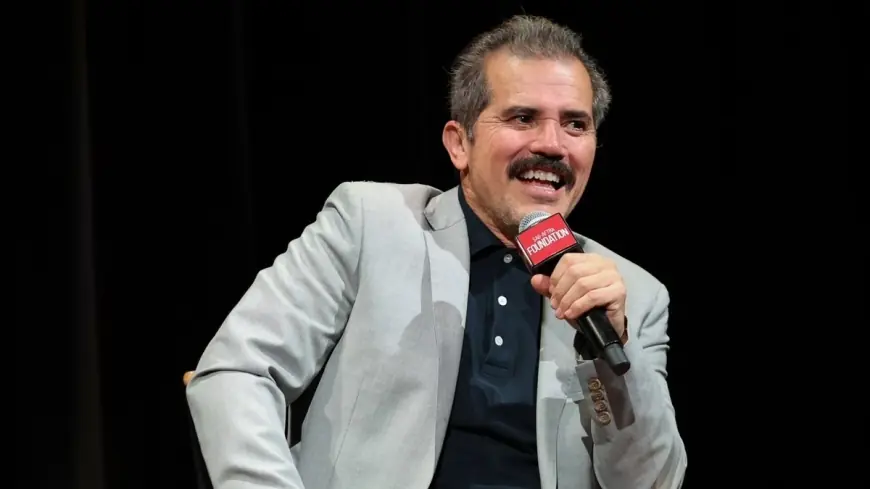
John Leguizamo is at the center of a fresh political storm after posting a blunt message aimed at supporters of U.S. Immigration and Customs Enforcement, telling them to stop following him and to avoid his shows and work. The statement, published Wednesday, January 28, 2026 ET, spread rapidly across entertainment and political circles on Thursday, turning a short clip into a wider argument about celebrity activism, immigration enforcement, and what public figures owe—or don’t owe—their audiences.
Leguizamo, an Emmy-winning actor and comedian known for outspoken advocacy on Latino representation and immigrant rights, linked his message to outrage over two fatal shootings in Minneapolis connected to federal immigration enforcement activity this month. Those incidents remain under investigation and have become a lightning rod for competing narratives about public safety, accountability, and the scope of federal power.
John Leguizamo’s message and why it ignited so quickly
In the video, Leguizamo drew a clear line: people who support ICE, he said, should not support him. The phrasing was direct and personal, effectively turning a policy dispute into an audience boundary.
That’s why it traveled. In today’s media environment, arguments gain speed when they’re framed as identity choices—follow or unfollow, watch or boycott, you’re with me or against me. Leguizamo’s post delivered that structure in seconds, making it instantly shareable and instantly polarizing.
The immediate reaction split into familiar camps:
-
Supporters praised the stance as a moral refusal to normalize enforcement tactics they see as abusive.
-
Critics accused him of intolerance and demanded he separate art from politics.
-
A quieter middle treated it as another example of how quickly entertainment and politics collide online.
Context: why Minneapolis is shaping national reaction
The Minneapolis cases are central because they sit at the intersection of street-level enforcement and national messaging. Two deaths—Alex Pretti, shot on January 24, 2026 ET, and Renée Good, killed earlier in January—have intensified protests and sharpened scrutiny of federal operations in the city.
What’s still developing is the official accounting: how the encounters unfolded, what policies governed the agents’ actions, and what oversight mechanisms will apply if misconduct is alleged. That uncertainty creates a vacuum where public figures, activists, and officials race to define the story first—often before all facts are available.
Behind the headline: incentives, stakeholders, and the power of “pick a side”
Leguizamo’s incentive is not mysterious: he has built a public identity around advocacy, and moments like this reinforce that brand. In a fragmented attention economy, clarity can be an asset—especially when your audience expects values-driven commentary.
But the incentives cut both ways.
For Leguizamo
-
The upside: solidarity with communities he’s long championed, and alignment with fans who want stronger condemnation of enforcement abuses.
-
The risk: boycotts, booking complications, and being reduced to a political symbol rather than a working performer.
For ICE and federal leadership
-
The incentive: defend legitimacy and deter criticism by framing celebrity pushback as misinformed or inflammatory.
-
The risk: heightened scrutiny, intensified protest energy, and a narrative that enforcement is politically motivated rather than narrowly targeted.
For promoters, studios, and employers
-
The incentive: avoid controversy that threatens sales or brand partnerships.
-
The risk: silence can also be costly if audiences demand a stance or interpret neutrality as complicity.
For communities in Minnesota
-
The incentive: keep national attention on oversight, accountability, and the lived impact of enforcement.
-
The risk: a celebrity-driven discourse can drown out local voices and the specifics of what actually happened.
What we still don’t know
Several missing pieces will decide whether this becomes a one-week flare-up or a longer-running storyline:
-
Whether investigations into the Minneapolis deaths produce findings that clearly validate or contradict the competing public narratives
-
Whether federal operations in Minnesota change in scale or posture in response to political and legal pressure
-
Whether Leguizamo’s stance translates into real-world consequences—canceled appearances, increased ticket demand, or heightened security concerns
-
Whether other high-profile entertainers join him publicly, turning a solo statement into a broader campaign
Second-order effects: why this matters beyond one celebrity clip
Even if no policy shifts follow, moments like this can have real ripple effects:
-
They harden consumer behavior into political identity—what you watch becomes what you “support.”
-
They increase risk for live events, where protests and counter-protests can follow touring acts.
-
They encourage more celebrities to speak in absolutes, because absolutes spread faster than nuance.
-
They can complicate fact-finding, as people argue over personalities instead of evidence.
What happens next: realistic scenarios and triggers
-
The controversy fades fast
Trigger: no major investigative update in Minneapolis and no additional public escalation from Leguizamo. -
A sustained boycott-versus-support cycle builds
Trigger: organizers on either side mobilize around upcoming appearances, press interviews, or major releases. -
The debate shifts from celebrity to policy
Trigger: a court filing, oversight announcement, or official investigative milestone that puts facts back at the center. -
More entertainers join public actions tied to Minnesota
Trigger: coordinated events, benefit performances, or statements that broaden the coalition. -
Backlash becomes career-relevant
Trigger: measurable impacts on bookings, sponsorships, or distribution decisions—either negative or unexpectedly positive.
Leguizamo’s statement is not just a culture-war sound bite. It’s a snapshot of how public speech works in 2026: short, absolute, and immediately politicized—especially when it collides with unresolved, high-stakes events that communities are still grieving and authorities are still sorting out.