Cheerios Recalled: Why Select Boxes Were Pulled in Indiana, Minnesota, and North Dakota — and What Shoppers Should Do Now

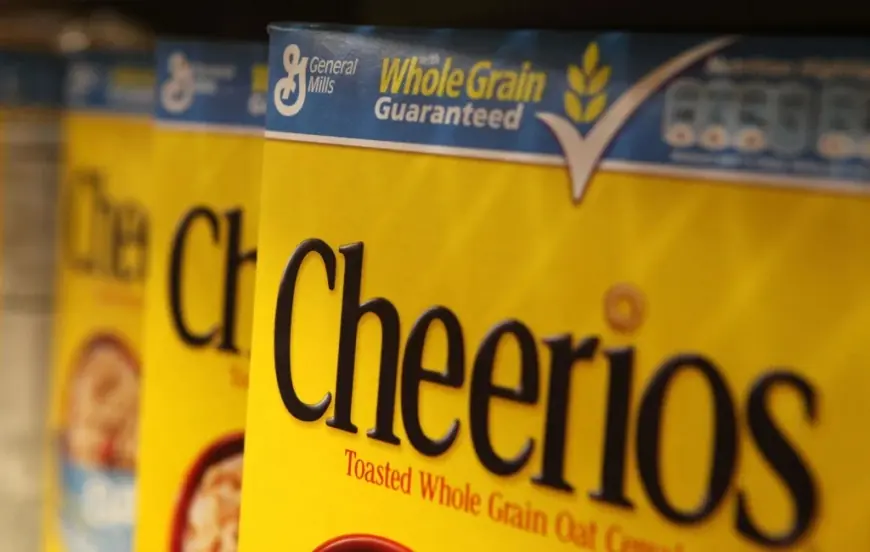
A recall that includes select Cheerios products is drawing fresh attention on Thursday, January 29, 2026 (ET) after federal regulators flagged a large batch of shelf-stable goods that may have been exposed to rodent and bird contamination at a storage and distribution facility. The key detail: this is not a nationwide recall of all Cheerios, and it is not tied to how Cheerios were manufactured. It is tied to how certain products were stored and distributed before reaching stores.
The recall involves nearly 2,000 different items across food, beverages, household products, and more. Cheerios appears on the list because some boxes moved through the affected distribution channel.
What happened
The recall traces back to a storage facility operated by Gold Star Distribution, Inc. in Minneapolis. Inspectors documented unsanitary conditions that included evidence of rodent excreta, rodent urine, and bird droppings inside the facility. Because shelf-stable products were stored there, regulators and the company moved to recall items that could have been exposed to contamination during storage and handling.
The recall was initiated December 26, 2025 (ET) and later received a Class II risk classification January 22, 2026 (ET). In plain terms, a Class II classification means the products could cause temporary or medically reversible health effects, with a low probability of serious harm — but it is still a serious warning: consumers are being told not to consume affected products.
Where the recalled Cheerios were sold
This recall is concentrated in three states:
-
Indiana
-
Minnesota
-
North Dakota
The products were distributed to grocery and convenience stores within those states. That’s why many people who live elsewhere may see “Cheerios recalled” trending and assume it’s a nationwide pullback. It isn’t. If you did not buy Cheerios in those states from stores supplied by the affected distributor, your risk is much lower.
Which Cheerios are affected
The recall is not limited to one cereal category or a single flavor in a simple way, because it is not a recipe issue. It is a distribution and storage pathway issue.
That means the most reliable way to confirm whether your box is affected is to match identifiers on the package — typically a UPC and sometimes additional stock or distribution codes — to the official recall list.
What to do if you have Cheerios at home
If you purchased Cheerios recently in Indiana, Minnesota, or North Dakota, treat this like a verification problem:
-
Do not eat it yet if you suspect it may be part of the recalled distribution batch.
-
Check the UPC on the box against the recall list connected to the Gold Star Distribution action.
-
If it matches, dispose of the product as instructed by the recall notice.
-
If you already consumed it, monitor for symptoms and seek medical advice if you feel unwell — especially for children, older adults, pregnant people, or anyone with a weakened immune system.
Symptoms to watch for
Potential risks described for contamination exposure include illnesses associated with bacterial contamination, such as salmonella. Symptoms can include fever, stomach cramps, nausea, vomiting, and diarrhea. Another concern raised in similar contamination scenarios is exposure to bacteria linked to animal waste. Most people will not become seriously ill, but the guidance is to be cautious and prioritize safety.
Why this recall is different from a typical “brand recall”
Most cereal recalls that capture public attention involve allergens or ingredient contamination at the manufacturing level. This situation is different: it’s about the supply chain between factory and shelf.
That distinction matters because it changes both the scope and the public reaction:
-
It can affect many brands at once because one distributor may handle thousands of products.
-
It can create confusion because consumers associate a recall with a single maker, when the trigger is storage conditions.
-
It can make the recall feel broader than it is, because the list spans many aisles and categories.
Behind the headline: incentives, stakeholders, and what’s really being tested
Context: Modern retail runs on distribution hubs that move massive volumes quickly. One compromised facility can touch a huge number of everyday products. This recall is a stress test of the “middle mile” — the part of the supply chain most shoppers never think about.
Incentives:
-
Distributors have incentives to move inventory efficiently, but that efficiency only works if sanitation and pest control are airtight.
-
Regulators have incentives to act decisively once conditions are documented, because the downstream cost of delay can be much higher than the cost of recall.
-
Retailers have incentives to protect consumer trust while minimizing disruption, which is why recalls often arrive with limited, code-based specificity.
Stakeholders: Shoppers, retailers, and warehouse workers are immediate stakeholders. Manufacturers are stakeholders too, even if they didn’t cause the issue, because brand reputation can take collateral damage when consumers see the product name in a recall headline.
Missing pieces: The public still lacks full clarity on how long the facility conditions persisted, how much inventory was potentially exposed, and whether additional distribution steps created secondary risk points. Those details matter because they shape whether this remains a contained event or prompts broader audits.
Second-order effects: Recalls like this often accelerate tougher oversight: more frequent inspections, stricter warehousing requirements, and tighter retailer standards for third-party distributors. They also increase consumer skepticism, which can ripple into purchasing behavior far beyond the affected products.
What happens next
Expect a few practical developments over the next days:
-
More consumers checking UPCs as the “Cheerios recalled” headline spreads beyond the affected states.
-
Retailers quietly removing inventory in the impacted supply chain and tightening receiving procedures.
-
Follow-up enforcement and compliance steps for the facility involved, including corrective sanitation measures and documentation requirements.
-
Potential expansions or clarifications to the product list if additional inventory paths are identified.
The bottom line: if you bought Cheerios in Indiana, Minnesota, or North Dakota, take two minutes to check the package identifiers before eating it. For everyone else, this is a reminder that food safety issues aren’t always about what’s in the box — sometimes they’re about what happened to the box before it reached you.