

























Price of Gold Today: Spot Bullion Slides After a Record Push, Still Holding Above $5,300

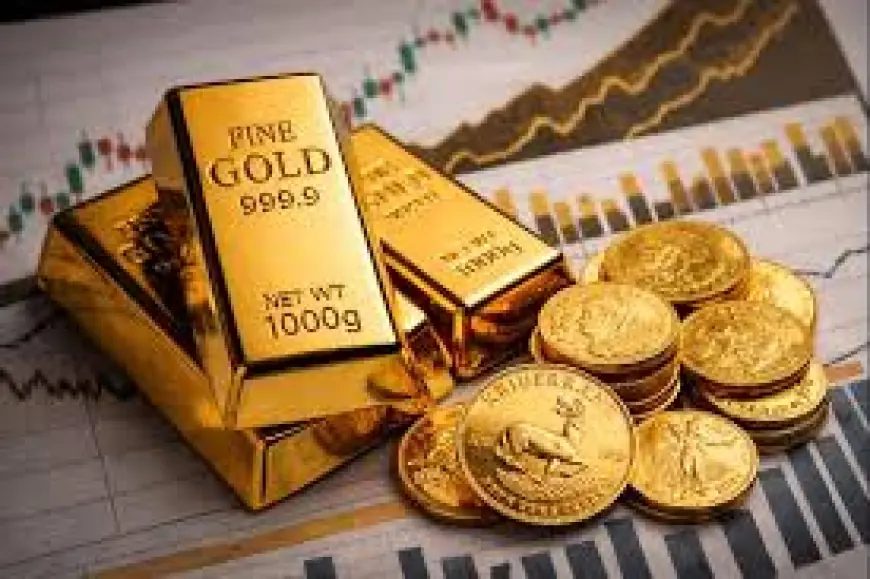
The price of gold today is volatile, with bullion giving back part of a blistering run after briefly testing new highs. By early afternoon on Thursday, January 29, 2026 ET, spot gold was trading around $5,352 per troy ounce, after swinging between roughly $5,105 and $5,595 during the session.
The move underscores a market that has been driven as much by fast-moving investment flows as by traditional jewelry demand, and it sets up a tense stretch of economic releases that could either cool the rally or reignite it.
Gold price today: mid-$5,300s after a sharp intraday swing
Gold’s pullback came after a rapid surge that pushed the metal to fresh records earlier in the day. Even with the drop, prices remain historically elevated, reflecting the same forces that have powered gold higher for months: a softer US dollar trend, geopolitical risk, and a steady appetite for hedges in portfolios.
In practical terms, today’s tape looks like classic profit-taking after a crowded trade runs too far, too fast. Traders who rode the rally often lock gains aggressively once volatility spikes, and that can exaggerate downside moves even when the longer-term trend remains intact.
Further specifics were not immediately available on how much of today’s decline was driven by forced selling tied to leveraged positions versus discretionary selling by longer-term holders.
Why gold is moving: currency, rates, and “safe haven” demand
Gold is highly sensitive to the intersection of the dollar and interest rates. When the dollar weakens, gold often rises because it becomes cheaper in local-currency terms for many buyers outside the United States. When rate expectations fall, gold can also benefit because the opportunity cost of holding a non-yielding asset looks smaller compared with cash or bonds.
Mechanism-wise, the headline “spot” price is a benchmark that reflects continuous global trading, with futures markets playing an outsized role in price discovery. When volatility surges, stop-loss orders, margin requirements, and rapid hedging can turn a normal pullback into a sharp, cascading move. Physical gold typically follows the spot market, but retail prices can differ materially because of dealer premiums, fabrication costs, taxes, and local currency swings.
A full public timeline has not been released for how quickly recent investment inflows might reverse if macro conditions shift, and that uncertainty is one reason gold can move so violently in both directions.
Demand is changing: investment outweighs jewelry at these levels
One of the most important themes behind today’s elevated price environment is the makeup of demand. In the latest full-year report for 2025, total global gold demand was reported at a record 5,002 metric tons, with investment demand rising sharply while jewelry volumes softened under the pressure of high prices.
That split helps explain why gold can stay expensive even when everyday buyers step back. Jewelry demand is typically price-sensitive, while investment demand can accelerate in fear-based cycles where the goal is protection rather than consumption. Central bank buying slowed compared with the prior year but remained historically high in broader context, which many market participants view as a stabilizing “floor” for long-run demand.
Key terms have not been disclosed publicly around how much of the investment surge is strategic allocation versus shorter-term tactical positioning, and that distinction will matter if prices continue to whip around.
Who feels it: investors, jewelry buyers, and miners
Today’s gold price affects multiple groups in different ways. Retail jewelry buyers feel it immediately through higher sticker prices, especially for weddings and seasonal purchases where gold is a traditional store of value. Investors feel it through portfolio volatility: gold can cushion a selloff, but it can also reverse sharply when risk appetite returns or rates reset higher. Miners and refiners can benefit from higher realized prices, while recyclers often see more scrap flow when consumers decide to sell into strength.
Even people who never buy bullion are exposed indirectly. Higher gold prices can influence inflation expectations at the margin, affect some industrial input costs, and reshape the behavior of funds that rebalance across commodities, currencies, and bonds.
In the days ahead, the next major scheduled catalyst is the US Consumer Price Index release on Wednesday, February 11, 2026 at 8:30 a.m. ET, followed by the Federal Reserve’s next policy meeting on March 17 to 18, 2026, events that frequently reset expectations for the dollar and interest rates and, in turn, the path of gold.