























Lukoil Negotiates Asset Sale with U.S. Investment Firm

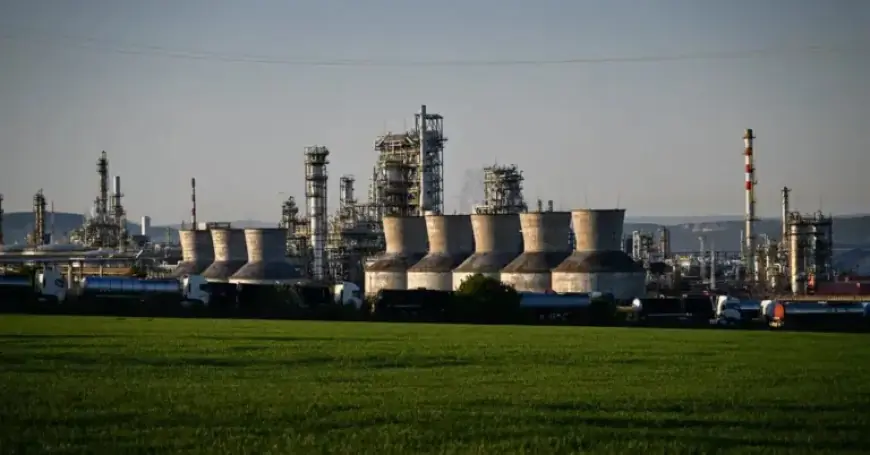
Lukoil, a prominent player in Russia’s oil sector, is currently negotiating with a U.S. investment firm for the sale of its foreign assets. This decision follows months of geopolitical challenges stemming from sanctions imposed by the Trump administration, which were designed to pressure Russia to cease its military actions in Ukraine.
Lukoil’s Negotiations with Carlyle Group
The proposed deal involves the Carlyle Group, a well-known Washington-based investment firm. Should the agreement be finalized, Carlyle would acquire Lukoil’s overseas assets, with the exception of its operations in Kazakhstan. Financial details of the negotiation have not been disclosed, as Lukoil continues discussions with additional potential buyers.
Conditions and Approvals
The agreement is contingent upon the completion of Carlyle’s due diligence and receiving the necessary regulatory approvals. These steps include obtaining clearance from the U.S. Treasury Department, which oversees the enforcement of American sanctions.
Impact of Sanctions on Lukoil
Following sanctions imposed by the U.S. and the European Union, Lukoil has faced significant challenges in divesting its non-Russian assets. The sanctions are part of broader measures against Russia, which aim to limit the country’s oil revenues, crucial for supporting its government and military efforts. In 2022, these factors contributed to a substantial 25 percent decrease in Russia’s oil and gas exports.
- Lukoil’s foreign assets are valued at approximately $22 billion.
- The company operates around 200 gas stations in the U.S., particularly in New Jersey, New York, and Pennsylvania.
- Previous sale efforts included an offer from Gunvor, an oil trading firm; however, this deal fell through due to concerns about ties to the Kremlin.
Current Financial Context
In the wake of these sanctions and falling oil prices, Lukoil is reportedly seeking tax relief from the Russian government. The company’s financial health has been impacted by international actions targeting its operations. The Kazakh government is also interested in acquiring Lukoil’s assets in Kazakhstan, where the company holds a 5 percent stake in the Tengiz oil field, managed by a Chevron-led consortium.
Future Steps and Considerations
As Lukoil navigates these tumultuous times, it must balance compliance with international sanctions while trying to secure a favorable outcome from potential buyers like Carlyle. The company’s foreign investments, especially in regions critical to local economies, underscore its importance in the global energy landscape. Lukoil remains under scrutiny as it attempts to adapt to the rapidly changing geopolitical environment.