

























First Look at Google’s Android Desktop: A Real Chrome OS Replacement

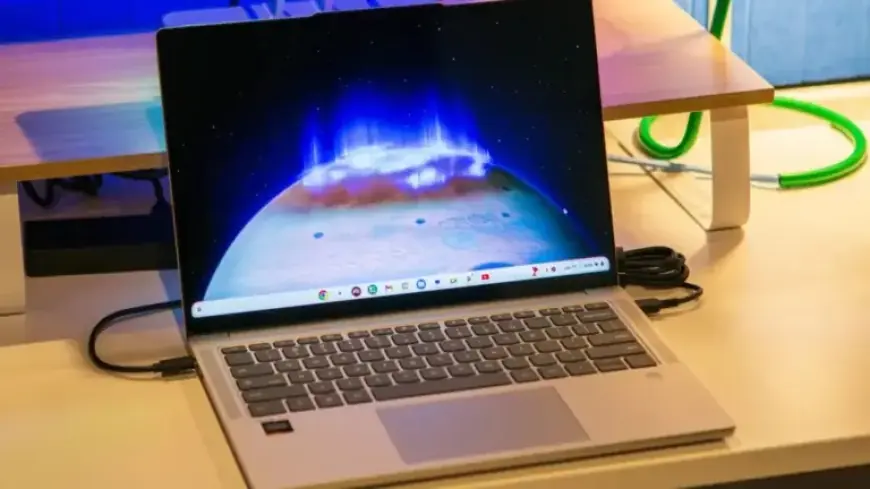
Google’s anticipated desktop platform, Aluminium OS, has made headlines following a recent leak. This information emerged from a Chromium bug report, showcasing the first screen recording of the operating system designed to potentially replace ChromeOS.
Overview of Aluminium OS
The leak revealed several key features of Aluminium OS, which draws inspiration from both ChromeOS and Android 16’s desktop mode. Notably, it includes split-screen apps and familiar user interface elements that are becoming standard across Google’s ecosystems.
Key Features
- Taller Status Bar: The status bar has been redesigned, appearing taller than that found in current ChromeOS devices.
- Updated Icons: The operating system features Android-style icons, enhancing the aesthetic appeal.
- Window Controls: The typical window management buttons for minimizing, maximizing, and closing are positioned at the top right of each window.
- Mouse Cursor: A new design for the mouse cursor, which includes a small tail, has been introduced.
- Split-Screen Functionality: The screen recording demonstrates two Chrome Dev windows running simultaneously.
Details of the Leak
The leak was initially reported by 9to5Google, which found a screen recording associated with an internal ‘ALOS’ build running on an HP Elite Dragonfly 13.5 Chromebook. Although Google has since restricted access to the bug report, the recording has been preserved and widely shared.
Implications for Android PCs
This glimpse into Aluminium OS indicates that Google is serious about merging ChromeOS and Android into a cohesive desktop platform. The advancements showcased could pave the way for Android-powered PCs, with multiple manufacturers collaborating with Google and Qualcomm on devices expected to debut in 2026.
With the ability to run Chrome fully, including extensions, Aluminium OS could prove to be a strong contender against existing operating systems, such as Mac. As developments continue, many tech enthusiasts are eagerly awaiting further advancements on this innovative desktop platform.