
























Alexis Ortega, Latin American Spanish voice of Spider-Man, dies at 38

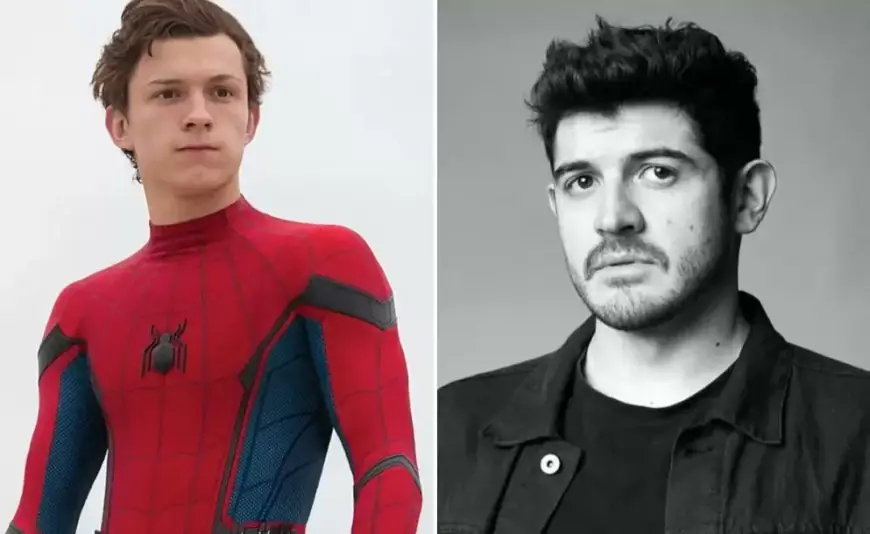
Alexis Ortega, a Mexican actor and voice performer best known for providing the Latin American Spanish voice for Tom Holland’s Spider-Man, has died at age 38. The announcement spread publicly in late January 2026, prompting tributes from fans across the Spanish-speaking world and renewed attention to the behind-the-scenes craft of dubbing that shapes how global franchises are experienced.
The cause of death has not been disclosed publicly. A full public timeline has not been released.
A defining voice for a generation of franchise films
Ortega became widely recognized for voicing Peter Parker in Latin American Spanish for several major Marvel releases tied to the modern Spider-Man era. For many viewers, his performance became inseparable from the character’s on-screen energy: quick humor, emotional shifts, and the rapid-fire pacing that demands both acting range and precise timing.
His body of work extended beyond a single role. Ortega also contributed to other big-budget animated and live-action titles in Spanish dubbing, building a résumé that made him a familiar presence even for audiences who didn’t know his name. Some specifics have not been publicly clarified about the full list of his most recent projects or any recordings that may still be unreleased.
What’s confirmed so far, and what remains unclear
Public posts circulating within the dubbing community indicated that Ortega died in late January 2026, with several mentions pointing to Saturday, January 24, 2026 ET, as the date of his passing. The news became broadly public in the days that followed, with fans sharing clips and memories tied to his best-known performances.
Key terms have not been disclosed publicly regarding medical details or circumstances surrounding his death. No official cause has been confirmed in a public family statement, and it is not clear whether any memorial plans will be shared widely.
How voice dubbing works, and why roles like this are so demanding
In Latin American Spanish dubbing, casting is typically handled through studios that match performers to a character’s voice “type,” acting range, and the tonal expectations of a franchise. Once cast, an actor records in a booth while watching the scene, aligning delivery to lip movements, pacing, and emotional beats. Directors guide performance choices, while translators and adaptation writers adjust phrasing so the dialogue fits timing and feels natural in the target language.
For major franchise films, continuity matters: audiences expect a consistent voice across sequels and crossovers, and small changes can feel jarring. That puts special pressure on lead voice performers to maintain character identity while adapting to evolving story arcs and different directors’ styles.
Who is affected, and what happens next for ongoing projects
Ortega’s death is felt most immediately by two groups: fans who grew up with his Spider-Man voice as their default version of the character, and the dubbing professionals who rely on stable casting to keep long-running franchises consistent. Studios, translators, directors, and fellow voice actors may now face sensitive decisions about recasting, archival audio use, and how to handle continuity for future releases where the character appears.
There may also be practical impacts for any productions that were mid-cycle in recording or post-production, where scheduling and voice matching can be complicated. Further specifics were not immediately available about whether any projects were in progress at the time of his death or how those productions will proceed.
In the days ahead, the next verifiable milestone is an official statement or memorial announcement from Ortega’s family or representatives, which would clarify confirmed dates and any public tributes planned.