
























PGCPS, BCPS, Charles County, and DC Public Schools Extend Snow Disruptions as Ice Lingers and Virtual Learning Expands

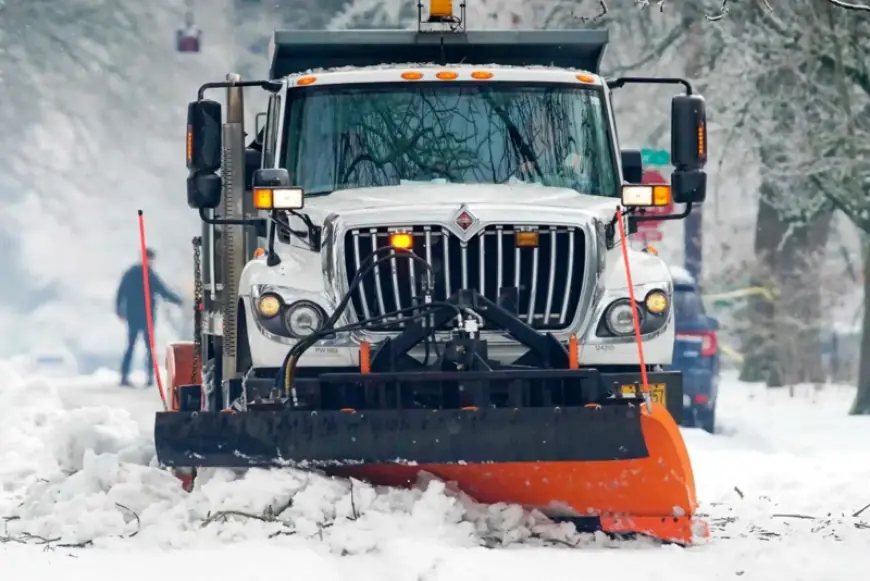
A midweek return to normal school routines across the Washington and Baltimore region is still out of reach as districts grapple with lingering ice, bitter cold, and the slow work of clearing sidewalks, parking lots, and neighborhood bus stops. By late Wednesday, January 28, 2026 ET, several of the area’s largest systems were still shifting schedules day by day, with some opting for multi-day closures and others moving to virtual instruction to avoid adding make-up days in June.
The result is a patchwork week for families and staff: closures in one county, virtual classes in another, and delayed openings across the District.
Where things stand: PGCPS, BCPS, Charles County Public Schools, and DC Public Schools
Prince George’s County Public Schools in Maryland, commonly referred to as PGCPS, extended its shutdown through Friday, January 30, 2026 ET. Schools and offices are closed under the district’s emergency code system, with only essential personnel reporting. The district also expanded grab-and-go meal distribution, bundling two days of breakfasts and lunches per student to reduce travel and staffing strain.
Baltimore County Public Schools, often shortened to BCPS in Maryland, moved toward virtual instruction for Thursday, January 29, 2026 ET, with plans that many families expected would continue into Friday, January 30, 2026 ET. The shift is tied to a broader policy approach: once a district burns through a limited number of traditional snow days built into the calendar, virtual learning becomes the pressure-release valve.
Charles County Public Schools closed on Wednesday, January 28, 2026 ET, then leaned on a calendar reshuffle for Thursday, January 29, 2026 ET, using a rescheduled semester break day that keeps students home. The district signaled that a decision about Friday operations would follow after another round of condition checks.
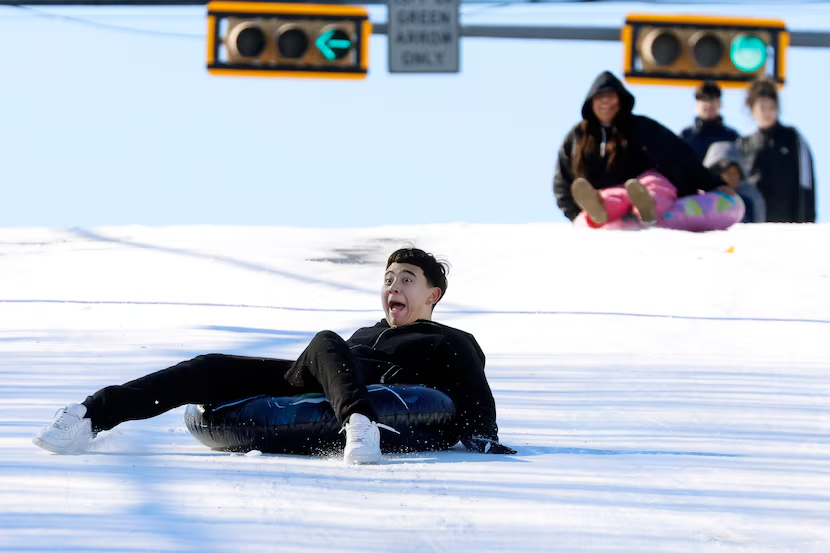
DC Public Schools closed on Wednesday, January 28, 2026 ET. As of late Wednesday, the District’s plan was to reopen Thursday, January 29, 2026 ET, using a delayed start model to give crews more time and reduce early-morning travel risk.
Why Prince George’s County schools made a rare multi-day call
The most striking decision this week was Prince George’s County choosing to announce multiple closure days at once rather than the familiar early-morning, single-day update. That choice reflects a hard operational truth: in large districts, the last mile is the most dangerous mile.
Even when main roads improve, the system still depends on thousands of neighborhood-level touchpoints: narrow side streets, hills, bus loops, and sidewalks that must be safe for children walking in the dark cold. A multi-day announcement buys time for crews, reduces the repeated stress of 4:00 a.m. decision-making, and gives families something they rarely get during winter chaos: a plan.
Meal distribution is the other reason. When a district knows it will be closed more than a day, it can consolidate food logistics and reduce the number of trips families must make, which matters most for households with limited transportation or multiple children in different schools.
Virtual snow days are no longer a pandemic leftover. They are a budget tool.
Across Maryland and the District, the quiet policy shift is this: virtual learning is now used to protect the instructional calendar and avoid extending the school year.
In practice, districts are balancing three competing constraints:
Safety. Ice on sidewalks and bus stops can turn a normal commute into an injury risk, especially for younger children.
Instructional time mandates. States require minimum instructional days and hours. Virtual days can count, which reduces the need for June make-up days.
Cost and staffing. Each extra in-person closure day can ripple into overtime, transportation rescheduling, cafeteria staffing, and postponed services. Virtual days shift some of that burden, but they also shift costs onto families who must juggle childcare and connectivity.
The trade-off is equity. Virtual learning works best when devices, internet, and quiet space are reliable. When they are not, the gap between “school is open” and “learning is happening” widens fast.
Behind the headline: what’s driving the decisions and what’s missing
Context matters. This storm week is colliding with older infrastructure and a modern expectation of continuity. Families want predictability. District leaders want to avoid injuries and liability. Teachers and staff want clarity about reporting expectations. Local governments want roads cleared, but the most time-consuming work is often the work nobody sees: sidewalks, corner cuts, and neighborhood-grade access.
The missing pieces are practical, not dramatic:
How quickly temperatures rise enough to melt refreeze patterns instead of locking them in
Whether neighborhoods clear bus stops and sidewalks consistently, which can determine reopening even when schools are ready
How many virtual days districts will tolerate before families push back or attendance drops
Whether makeup days will be triggered anyway if closures stack beyond planned limits
What happens next: five realistic scenarios and triggers
-
A full return on Friday, January 30, 2026 ET
Trigger: overnight temperatures moderate and road crews make measurable progress on secondary streets and pedestrian routes. -
More virtual learning days in Baltimore County
Trigger: the district prioritizes continuity while conditions remain marginal and traditional snow days are exhausted. -
Staggered reopenings by level
Trigger: elementary routes and sidewalks lag behind main-road conditions, pushing districts to bring back older students first. -
A wave of calendar adjustments into June
Trigger: closures outnumber available virtual-day capacity or districts choose not to convert additional days to remote instruction. -
A renewed debate over fairness and access
Trigger: multiple virtual days expose device, internet, and childcare gaps that families cannot absorb repeatedly.
Why it matters is simple: these are not just snow days. They are live tests of how public systems function when weather, infrastructure, and modern expectations collide, and they are forcing districts to decide whether the priority is reopening quickly, teaching continuously, or doing both without leaving the most vulnerable students behind.