



















EU Leaders Intensify Rift with Rutte Over Military Power Debate

The ongoing debate regarding military power in Europe has intensified, particularly concerning the European Union’s (EU) collaboration with its allies. EU leaders are increasingly recognizing the need for strategic reform in response to shifting global dynamics.
EU’s Defense Realignment
Estonia’s Prime Minister, Kaja Kallas, emphasized the fundamental reorientation of the transatlantic relationship. She expressed concerns that recent developments are straining long-established international norms.
- Kallas noted the risk of a return to coercive power politics.
- She affirmed the United States will remain a crucial ally for Europe.
- However, she stressed that Europe’s geopolitical importance is changing.
New Defense Partnerships
To adapt to these changes, the EU has signed defense cooperation agreements with nine countries, highlighting its recent partnership with India. Kallas remarked on the necessity for Europe to enhance collaboration with like-minded nations.
Structural and Financial Challenges
The EU must also reform its structures to facilitate coordinated actions. Currently, many security initiatives require unanimous approval, giving veto power to countries aligned with Kremlin interests, such as Hungary.
Kallas stated, “It cannot be that one country’s veto defines the policy for others.” This sentiment resonates with rising concerns over the EU’s defense budget.
- Countries are urged to increase defense spending.
- Efforts to better coordinate procurement are critical to avoid inefficiencies.
Implications of National Spending
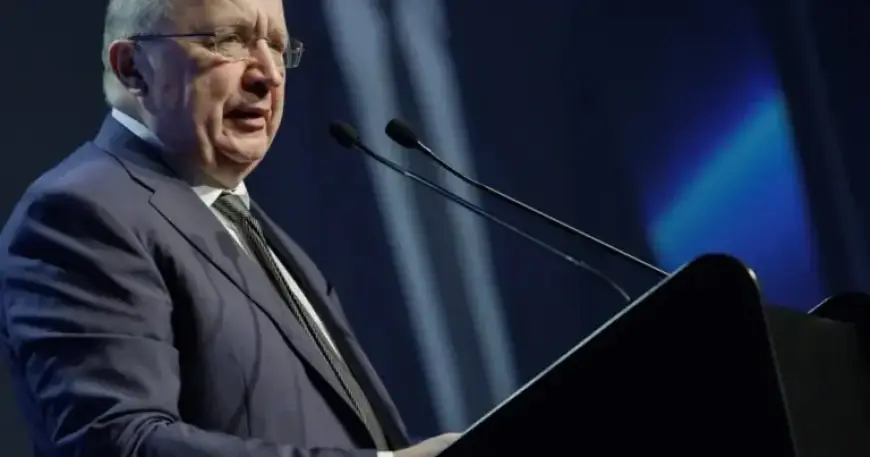
Former European Parliament member Andrius Kubilius highlighted the €150 billion “Security Action for Europe” program, describing it as a substantial step forward. He cautioned that most new defense funding will be controlled by individual nations, which may lead to further fragmentation within the EU’s defense strategy.
Without collective efforts, EU countries risk undermining their defense capabilities by purchasing arms from external sources. Kubilius’s remarks underline the urgency for the EU to unify its defense strategy to enhance its overall security posture.
As the landscape of global politics shifts, the EU’s ability to navigate these challenging waters will depend on its commitment to cohesive partnerships and robust defense mechanisms.