






















Bill Polian tries to calm Hall of Fame 2026 backlash after Bill Belichick vote dispute

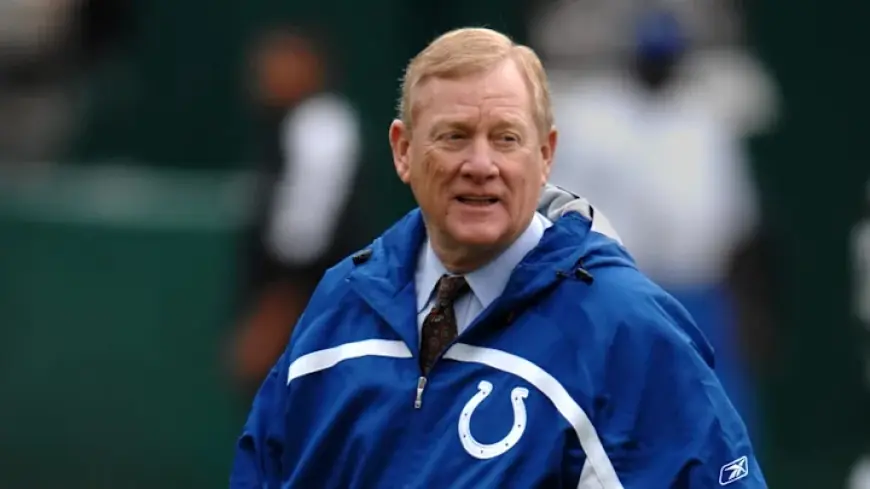
Bill Polian has moved to clarify his role in the NFL Hall of Fame 2026 debate after controversy erupted around Bill Belichick and whether the legendary coach cleared the voting threshold in his first year of eligibility. Polian, a Hall of Fame member and longtime selector, said he did vote for Belichick and that the Hall’s independent auditing process verified his ballot, pushing back on claims that he helped block the former Patriots coach from immediate enshrinement.
The dispute has widened into a bigger argument about how the Hall chooses inductees, who votes, and how much past scandals like Spygate should matter when a candidate’s résumé is otherwise overwhelming.
Belichick’s first-ballot question becomes the story before the class is revealed
Belichick entered this cycle as the coach finalist for the Class of 2026, a status that put him in direct competition with a small group of non-modern-era finalists that also includes three senior candidates and one contributor candidate. The chatter this week has centered on whether Belichick reached the 80 percent support requirement needed to be elected, a bar that translates to 40 of 50 selector votes.
The Pro Football Hall of Fame has not released vote totals or individual ballots. Some specifics have not been publicly clarified about how close any finalist came to the threshold or which candidates dominated the limited voting slots.
The moment is also shaped by timing. Under newer eligibility rules, coaches can be considered after only a short period away from the NFL, and Belichick’s post-league chapter has been highly visible, including his college coaching work and his relationship with Jordon Hudson. That visibility has not answered the key question fans care about, which is simply whether the coaching record and championships were enough to overcome lingering resentment and process bottlenecks.
Bill Polian’s statement and why it mattered to the process debate
Polian’s involvement drew attention because he is both a selector and a powerful voice within football circles, with decades of executive experience and deep relationships across the league. After a public swirl over whether he supported Belichick, Polian said he did cast a ballot for the coach and that the Hall’s auditors confirmed his vote.
That confirmation matters because the process is designed to be secret-ballot, and the system relies on trust that selectors are following the bylaws even when public pressure spikes. The Hall itself issued a pointed statement emphasizing that it reviews the selection process and committee composition annually and that any bylaw violations could result in action, including removal from the committee going forward.
Key terms have not been disclosed publicly about what specific conduct would trigger discipline in this instance beyond the general reminder that the integrity of the vote must not be questioned.
Who votes for the NFL Hall of Fame and how the selection mechanism works
The selection committee consists of 50 voters. The core group is made up of 32 media representatives tied to each team market, with additional at-large members that include veteran football voices, and one representative connected to the pro football writers. Voting is conducted by secret ballot, and reaching the Hall requires 80 percent support, which is why even a small bloc can keep a finalist out.
The mechanism has become more restrictive in recent years. Modern-era candidates are cut down in stages, moving from a larger group to 15 finalists, then narrowed again before the final election. Each voter can only support a limited number of candidates at the final step, which means a handful of consensus picks can unintentionally squeeze out other worthy names. The same scarcity applies on the non-modern-era side, where seniors, the coach finalist, and the contributor finalist compete for only a small number of available seats in the class.
This structure helps explain how a candidate can be widely admired yet still fall short in a given year, especially when voters prioritize candidates perceived to be running out of chances. It also helps explain why the conversation around Belichick quickly became a conversation about the rules, not just the man.
Spygate, legacy standards, and why comparisons keep surfacing
No Hall debate stays purely statistical when a candidate is linked to scandal, and Belichick’s candidacy has revived old arguments about what constitutes a disqualifying stain versus a chapter that voters note and move past. Spygate remains the flashpoint, with disciplinary history from that era still cited in public arguments about accountability. Deflategate also lingers as part of the broader Patriots dynasty controversy that follows Belichick into any legacy discussion.
That contrast is why names like Jimmy Johnson and Deion Sanders keep getting pulled into the conversation. Johnson’s eventual coaching enshrinement and Sanders’ quick path as a player reflect how differently voters can treat candidates depending on position, era, and the emotional temperature of the room. The Hall’s defenders argue that scrutiny is the point; critics argue that inconsistency is the problem.
Two groups are most directly affected: candidates and their families, whose careers can be reframed by a single vote, and fans, who want the Hall to feel like a definitive record rather than a procedural maze. The selectors themselves are also stakeholders now, as the public focus shifts from who gets in to whether the committee can maintain credibility under modern spotlight conditions.
The next verifiable milestone is the official announcement of the Pro Football Hall of Fame Class of 2026 at NFL Honors on Thursday, February 5, 2026 (ET), in San Francisco.