

























Texas School Closures and Delays: Dallas ISD, Plano ISD, Denton ISD, Austin ISD and Others Reset Schedules After Late-January Ice

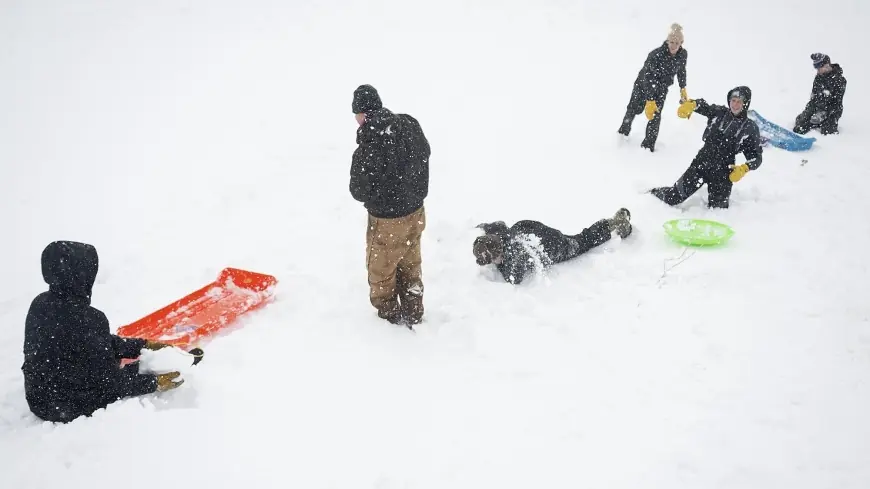
A multi-day blast of freezing temperatures and lingering ice forced school districts across Texas to keep extending closures and delays through the week of January 26, 2026, as officials weighed student safety against the mounting cost of lost instructional time. By Thursday, January 29, some districts were returning to normal operations while others remained closed, especially where neighborhood streets, sidewalks, and shaded areas refroze overnight.
What happened: A rolling wave of closures from Monday through Thursday
Districts across North Texas, Central Texas, Houston, and East Texas issued day-by-day decisions as conditions changed block by block.
Here’s what districts publicly confirmed during the peak disruption, using Eastern Time only:
-
Dallas ISD: Campuses were closed Monday, January 26, and Tuesday, January 27. A Tuesday afternoon update around 4:00 p.m. ET extended the closure through Wednesday, January 28, citing icy neighborhood streets, sidewalks, and parking lots, with refreezing expected overnight. Athletic events and practices were postponed.
-
Fort Worth ISD: Announced a districtwide closure for Wednesday, January 28, pointing to unsafe travel conditions and lingering ice on neighborhood and side roads.
-
Plano ISD: Kept schools and facilities closed Wednesday, January 28, canceling district and campus activities through that day. The district signaled an expected return to class on Thursday, January 29, conditions permitting.
-
Richardson ISD: Closed schools and offices Monday, January 26, then extended closures through Wednesday, January 28, citing hazardous travel conditions and below-freezing temperatures.
-
Denton ISD area: Some Denton County districts remained closed into Thursday, January 29, reflecting slower thawing and persistent icy patches away from major highways.
-
Austin ISD: Closed Tuesday, January 27, then announced a return to normal schedules Wednesday, January 28, with extracurricular activities resuming and extra caution for remaining ice on campuses.
-
Leander ISD: Remained closed Tuesday, January 27, then shifted to a two-hour delayed start Wednesday, January 28, to reduce risk during the coldest early-morning travel window.
-
Houston ISD: Closed Monday, January 26, due to severe winter weather expected to impact roadway travel.
-
Tyler ISD: Closed Monday, January 26, Tuesday, January 27, and Wednesday, January 28, as icy conditions lingered in East Texas.
Because district boundaries are huge and road conditions vary sharply, two neighboring districts can make different calls on the same morning.
What’s behind the headline: Why closures kept getting extended
The core challenge wasn’t just snowfall or freezing temperatures. It was the geography of risk.
-
Incentives and constraints: Superintendents are balancing two non-negotiables: preventing transportation-related injuries and keeping students learning. If buses can’t safely operate across an entire attendance zone, a partial opening can create equity issues and operational chaos.
-
Stakeholders under pressure: Families juggling childcare, hourly workers who can’t stay home, students who rely on school meals, teachers commuting long distances, and campus operations teams tasked with making sidewalks and entrances passable.
-
Why highways didn’t settle the question: Even when major routes improved, districts repeatedly flagged neighborhood streets, sidewalks, and parking lots as the weak link. That’s where slips happen, and where buses and teen drivers face the highest risk.
What we still don’t know: The day-of details that change everything
Even after a district announces “open,” the practical experience can vary by campus and neighborhood.
Key unknowns families should watch for on any return-to-school day:
-
Whether shaded sidewalks and ramps at specific campuses remain slick
-
Whether bus routes run on time after multi-day disruptions
-
Whether after-school events resume immediately or stay limited for one more day
-
Whether districts will need to convert canceled instructional days into make-up days later in the year
Second-order effects: The ripple impacts beyond one missed school day
Multi-day closures trigger a chain reaction:
-
Instructional time: Districts may need to adjust calendars, repurpose staff development days, or add make-up time.
-
Athletics and fine arts: Postponed games and rehearsals compress schedules, increase travel on short notice, and strain facilities staffing.
-
Family economics: Childcare demand spikes, and missed work hours pile up, particularly for households without flexible schedules.
-
Facilities stress test: The longer buildings sit under freezing conditions, the more campuses face localized hazards like ice buildup at entrances and walkways.
What happens next: 4 realistic scenarios and the triggers to watch
-
Full return to normal schedules if overnight temperatures stay above refreezing levels and campuses clear remaining ice hotspots.
-
Targeted delays like two-hour starts if early mornings remain risky but daytime travel improves.
-
Another closure day in pockets where rural routes, shaded neighborhoods, or campus access points stay icy.
-
Normal classes but limited after-school activities if daylight travel is acceptable but evening refreeze risk remains.
The practical takeaway: if your district hasn’t announced a closure or delay for a given day, plan for normal operations, but expect morning travel to take longer and be more cautious than usual.
Why it matters
These late-January closures show how modern school systems function like city-scale logistics networks: buses, campus safety, staffing, meals, and after-school programs all have to move together. When ice lingers in the least visible places, districts often choose the safer option, even when it frustrates families and disrupts routines.