
























Amazon Fresh Closing: Amazon to Shut Its Physical Fresh and Go Stores While Doubling Down on Delivery and Whole Foods

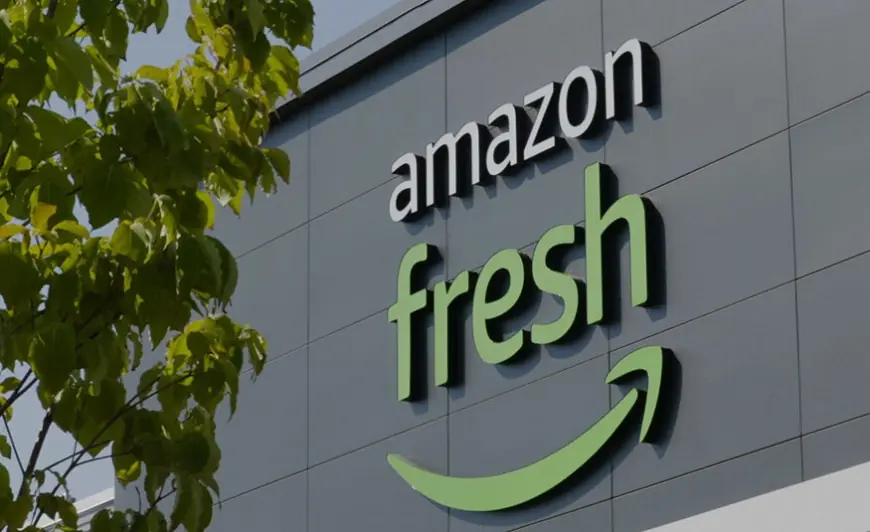
Amazon Fresh is making a sharp turn in early 2026, with the company moving to close its remaining Amazon Fresh grocery stores and Amazon Go convenience stores as it shifts more of its grocery strategy toward delivery and the Whole Foods Market chain. The decision lands amid broader consumer pressure for fast, reliable grocery fulfillment and the persistent challenge of making new brick-and-mortar formats pay off at scale.
The company announced the change Tuesday, Jan. 27, 2026, and most closures are set to happen quickly, leaving shoppers and employees looking for clarity on timelines, nearby alternatives, and what stays available online.
What is closing, and when it happens
Amazon plans to close a total of 72 physical locations nationwide: 57 Amazon Fresh stores and 15 Amazon Go stores. For most markets, the final day is expected to be Sunday, Feb. 1, 2026, in Eastern Time.
In California, the timeline is different. Stores there are expected to remain open for at least 45 additional days to comply with state notice requirements, pushing the likely closure window into mid-March. Exact closure dates can vary by location and lease or notice conditions. Further specifics were not immediately available.
Amazon has said it will try to place affected employees into other roles within the company where possible, and it will provide severance options for workers who do not transfer. The company has not disclosed publicly the total number of employees impacted.
Why Amazon is stepping back from Amazon Fresh stores
Amazon’s explanation centers on economics and differentiation. The company says it has not yet built a “distinctive” enough in-store experience, paired with the right economic model, to justify broader expansion of the Amazon-branded grocery and convenience formats.
That is a notable admission in a category where competition is intense and margins are thin. Grocery chains typically succeed through a mix of high shopping frequency, operational efficiency, and disciplined pricing. Newer formats that add advanced tech, specialty layouts, or higher buildout costs have less room for error. If foot traffic or basket size does not consistently hit targets, the business can struggle to cover labor, rent, shrink, and supply chain costs, even before marketing and technology expenses are considered.
Amazon Go and many Amazon Fresh stores also leaned into cashierless or low-friction checkout technology. While that approach can improve convenience, it can also demand significant investment in hardware, store design, and ongoing maintenance. Some specifics have not been publicly clarified about whether cost structure, customer adoption, or both were the biggest constraint across the portfolio.
What stays: online grocery, same-day delivery, and Whole Foods expansion
Even as Amazon Fresh physical stores wind down, the company says Amazon Fresh will continue as an online grocery option in available areas, and it plans to expand same-day delivery of fresh groceries to more communities in 2026.
Amazon is also putting more weight behind Whole Foods Market as its primary physical grocery footprint. Whole Foods currently operates more than 550 locations, and the company says it intends to open more than 100 additional Whole Foods stores over the next few years. It is also expanding its smaller Whole Foods Market Daily Shop format, aiming to add five more locations by the end of 2026.
A key open question is what happens to the real estate. Amazon says some closing locations may be converted into Whole Foods stores, but it has not provided a full public list of which sites will be converted or how quickly those conversions could happen. A full public timeline has not been released.
What shoppers and employees should expect next
For shoppers, the practical change is that the Amazon Fresh storefront experience is going away, but grocery ordering and delivery are expected to continue where the service is available. Customers who relied on a specific nearby store may see short-term disruption in convenience, especially in neighborhoods where the Fresh store was a primary quick-trip option.
Employees face the most immediate impact. Store workers may be offered transfers into other Amazon operations, but job roles, locations, and schedules can differ significantly across business units. Local communities and landlords are also affected, as large storefront closures can create retail vacancies and reduce nearby foot traffic until a replacement tenant arrives.
Technology developed for these stores is not disappearing. Amazon says its checkout-free systems and related retail innovations will continue to be used in other settings and future concepts, even as the branded stores close.
The next clear milestone is Feb. 1, 2026, when most locations are expected to stop operating, followed by the California notice period closure window in mid-March. After that, the next measurable checkpoint will be whether specific sites are announced for conversion into Whole Foods Market stores and how quickly the company expands same-day grocery delivery into additional communities later in 2026.