Warriors–Timberwolves Postponement Puts Anthony Edwards, Steve Kerr, and Charles Barkley at the Center of a Minneapolis Flashpoint

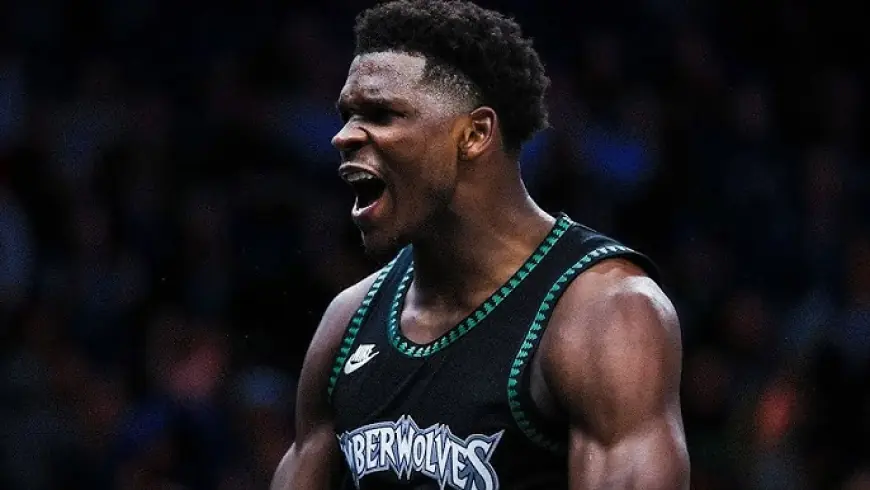
A normally routine regular-season matchup between the Golden State Warriors and Minnesota Timberwolves turned into a civic stress test after the league postponed their Saturday, January 24, 2026 game in Minneapolis following the fatal shooting of a local man during a federal immigration operation. The NBA moved the contest back by 24 hours, and the teams ended up playing a back-to-back set on Sunday, January 25 and Monday, January 26 at Target Center, with the arena atmosphere described by coaches and players as somber and tense.
The schedule disruption, paired with nationwide attention on the shootings, pulled star guard Anthony Edwards and Warriors coach Steve Kerr into a public conversation that goes far beyond basketball. It also drew unusually direct commentary from Charles Barkley, whose blunt style amplified the pressure on officials to provide clarity and accountability.
Why the Warriors–Timberwolves game was postponed
The league postponed the Saturday game after the latest in a series of fatal incidents in Minneapolis involving federal immigration agents earlier in January. The decision was framed around prioritizing safety and security in the city as protests and unrest grew near downtown.
The rescheduled slate looked like this in Eastern Time:
-
Warriors at Timberwolves, rescheduled to Sunday, January 25 at 5:30 p.m. ET (Warriors won 111–85)
-
Warriors at Timberwolves, as scheduled Monday, January 26 at 9:30 p.m. ET (Timberwolves won 108–83)
That second game quickly became a “rest and survive” night for both sides, with missing star power and a heavier emphasis on bench minutes.
Anthony Edwards and “ICE” questions: what he said, and why it sparked backlash
Searches pairing “Anthony Edwards” with “ICE” are not about basketball slang. They’re tied to the federal agency at the center of the Minneapolis shootings and the community reaction around the postponed games.
After the Sunday matchup, Edwards offered broad support for Minnesota and expressed sympathy and prayers for those affected. For some fans, that was the expected posture from a franchise star trying not to inflame an already volatile moment. For others, it felt too generic given the severity of the events and the fact that the team was literally playing in the middle of it.
That split matters because modern star athletes are judged in two arenas at once: performance and voice. Silence can be read as avoidance; careful statements can be read as insufficient; strong statements can trigger political blowback. Edwards ended up catching heat largely because the moment demanded specificity, while his response prioritized unity and restraint.
Steve Kerr and the Joe Ingles connection: the behind-the-scenes push that delayed the game
Kerr’s role became more prominent once details emerged that Timberwolves veteran Joe Ingles had contacted him directly to share player concerns about proceeding with Saturday’s game. That kind of peer-to-peer outreach is unusual and revealing: it suggests the postponement wasn’t only a league directive, but also a player-driven request rooted in real safety anxiety.
Kerr then spoke publicly in strong terms about the broader situation, criticizing official narratives and calling for accountability. His comments landed because they were not abstract. They were delivered in the immediate aftermath of a game played under the shadow of a real-world tragedy, with a community watching.
Charles Barkley turns a sports moment into a national talking point
Barkley’s intervention widened the lens. He criticized leadership failures, described the situation as frightening, and urged “adults” in power to step up. Whether you agree with him or not, his value in this kind of story is leverage: he forces a sports audience to confront why a game got postponed in the first place, and he keeps the issue from being filed away as “off-court noise.”
In effect, Barkley made the postponement harder to treat as a one-day scheduling hiccup. He framed it as a symptom of a larger governance problem.
What we still don’t know
Even with video, statements, and public reaction, key facts remain contested or incomplete:
-
A clear, widely trusted account of the timeline and decision-making in the latest shooting
-
What internal safety assessments concluded about risks around the arena that weekend
-
Whether additional operational changes will be made for future games during periods of unrest
-
How the league will handle similar situations going forward, beyond case-by-case postponements
What happens next: realistic scenarios and triggers
-
Increased security footprint around high-profile games in affected cities
Trigger: any renewed protests near venues or public calls for further postponements. -
More outspoken player and coach messaging
Trigger: if additional incidents occur, or if official explanations continue to face public skepticism. -
A league-wide protocol update for civic unrest events
Trigger: pressure from players’ representatives to standardize postponement criteria. -
Local backlash against teams being placed in the middle of political conflict
Trigger: if fans feel games are becoming platforms rather than escapes. -
A shift back to basketball, but with lasting reputational impact
Trigger: once investigations progress and the news cycle moves, while public trust debates remain.
Timberwolves and Warriors schedule: who plays today
As of Thursday, January 29, 2026 (ET):
-
Timberwolves game today: Oklahoma City at Minnesota at 9:30 p.m. ET
-
Warriors game today: no game scheduled; Golden State’s next game is Friday, January 30 at 10:00 p.m. ET vs Detroit
The larger takeaway is that this wasn’t just a postponed game. It was a collision between public safety, institutional credibility, and the modern expectation that sports figures will respond to civic trauma in real time.