
























US Federal Reserve Holds Rates Steady Amid High Inflation, Stable Job Market

The US Federal Reserve has decided to maintain its interest rates, holding the benchmark lending rate steady at 3.5% to 3.75%. This decision reflects a careful approach amid ongoing economic pressures, particularly high inflation and a stable job market.
Overview of the Federal Reserve’s Decision
The decision to keep rates unchanged was not unanimous, with governors Christopher Waller and Stephen Miran advocating for a quarter-point reduction. This pause follows a series of three consecutive rate cuts late last year, as officials aim to assess the impacts of those reductions on the economy.
Economic Context
While earlier data indicated concerns over a slowing labor market, recent reports have shown mixed signals. Key economic indicators include:
- Stronger than expected growth
- Low unemployment rates
- Inflation remaining above the Fed’s target levels
Given this landscape, the Federal Reserve’s decision suggests that rates may remain stable over the upcoming months as they evaluate these economic factors further.
Political Pressures and Criticism
The Federal Reserve’s cautious stance comes amid increasing political scrutiny. President Donald Trump has been vocal in advocating for more aggressive rate cuts. Since his return to office last year, he has escalated his criticism of the central bank.
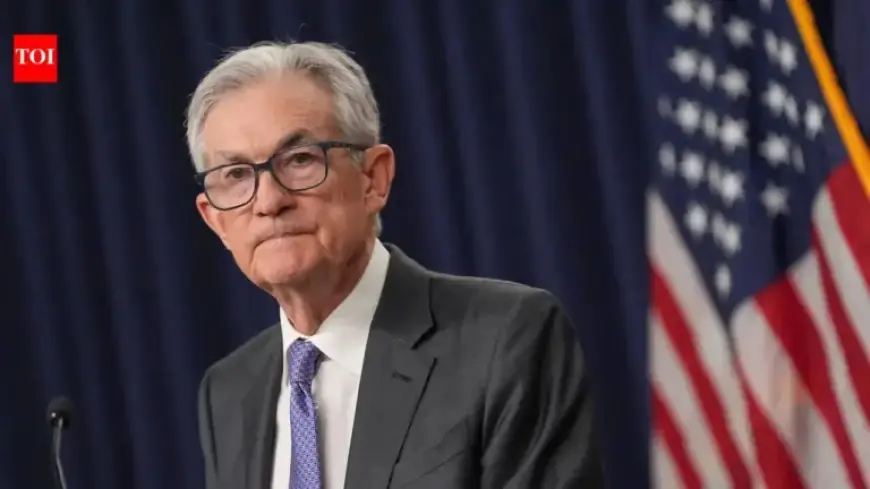
Concerns have been raised over the independence of the Federal Reserve, particularly as Trump has called for the removal of Fed Governor Lisa Cook due to allegations of mortgage fraud. Additionally, there is an ongoing inquiry regarding Federal Reserve Chair Jerome Powell, focused on renovations at the Fed’s headquarters.
Powell’s Response to Criticism
In response to the mounting pressure, Powell has emphasized the importance of protecting the Fed’s independence. He warned against the potential influence of political threats on monetary policy decisions.
This situation underscores the complex interplay between economic policy and political dynamics in the United States as the Federal Reserve navigates high inflation and a stable job market.